Fasting and the Joy of the Bridegroom
"¶ Then came to him the disciples of John, saying, Why do we and the Pharisees fast oft, but thy disciples fast not?" - Matthew 9:14
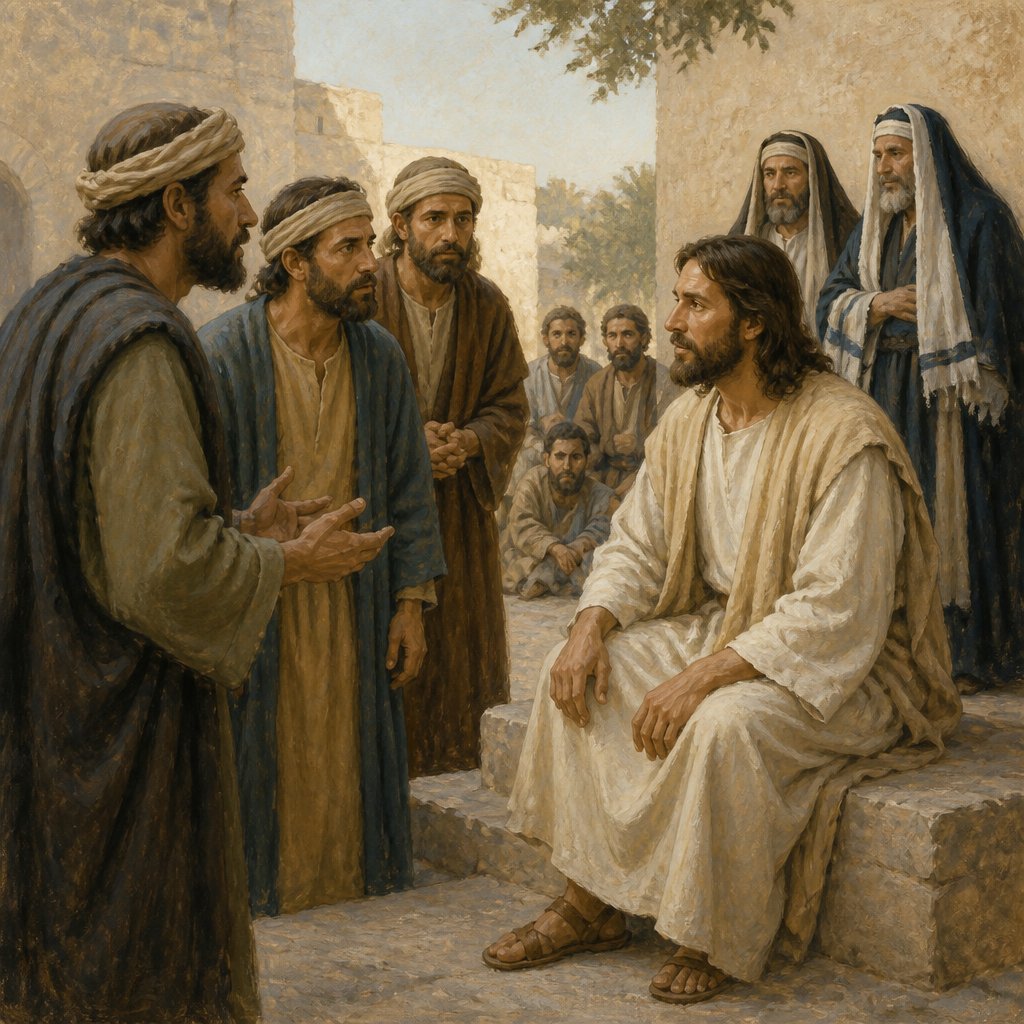
Matthew 9:14 (KJV) states: "Then came to him the disciples of John, saying, Why do we and the Pharisees fast oft, but thy disciples fast not?" In this passage, we find a profound interaction that reveals the deep significance of joy and relationship over mere ritualistic observance of the law.
As we delve into this verse, we must understand the context of fasting within the Jewish tradition. Fasting was an essential part of religious life, employed as a means of mourning, repentance, and seeking divine intervention. The disciples of John the Baptist, alongside the Pharisees, were accustomed to fasting as a demonstration of their devotion and piety. They fasted frequently, adhering to the customs and expectations deeply rooted in their culture.
When they approached Jesus with their question, they did not merely seek an explanation; they were likely perplexed and possibly felt threatened. Jesus represented a new paradigm that challenged the established norms. His followers, living with Him day by day, seemed to disregard the typical practices, causing confusion among those who had devoted themselves to religious observation. The fasting of John’s disciples was a sign of mourning for the coming of the Messiah, linked closely with repentance and preparation. However, here stood Jesus—the embodiment of the new covenant, the divine Messiah.*
In response to their inquiry, Jesus implied that His presence and the joy He brought were cause for celebration rather than mourning. In verses following their question, He illustrates His point with metaphors of the wedding feast (Matthew 9:15): "And Jesus said unto them, Can the children of the bridechamber mourn, as long as the bridegroom is with them?" This gives us a deeper understanding of Jesus’ mission; He was the Bridegroom, and His coming was a joyous occasion for all who embraced Him. Just as a wedding is a time of joy and celebration, so is the coming of Christ into our lives.
Herein lies an important truth—fasting, in the way of the Pharisees and the disciples of John, can become empty if not rooted in relationship. Rituals have their place in our spiritual lives, but when those rituals overshadow the joy of being with Christ, they lose their meaning. Jesus invites us into a relationship, a living communion with Him, which should enhance our joy in God rather than suppress it.
As believers today, it serves as a reminder to examine our practices. Are we engaging in spiritual disciplines such as fasting, prayer, or worship merely as obligations or to earn God’s favor? Or are we motivated by love, our relationship with Christ, and a desire to know Him more intimately? Fasting can still be a beautiful practice, especially when used to seek clarity, grow in our faith, or express our dependence on God. However, it should not replace the joy of fellowship with Christ who offers us the fullness of life.
Furthermore, in our churches and communities, it can be easy to judge others for their spiritual practices. We may observe that some are not as disciplined or rigorous as we are in their fasting, prayer, or study, just as John’s disciples did. Yet, Jesus reminds us that our focus should be on the heart—where joy and relationship with God reign supreme. The ultimate question should not be how often we fast or the specific rituals we observe, but rather how deeply we relate to and enjoy Jesus, the Bridegroom of our souls.
In conclusion, let us dwell in the joy of knowing Christ. As we navigate our spiritual practices, may we prioritize our relationship with Him above all rituals. Celebrate His presence, embrace His joy, and allow the truth of being united with Him to transform our understanding of spiritual disciplines into life-giving encounters. Remember, just as during a wedding feast, we do not mourn with the Bridegroom present; we feast in His joy.
Want to reflect more on Matthew 9:14?
Continue your spiritual journey with Bible Chat — an AI-powered tool for exploring God's Word through conversation. Ask questions, discover connections, and deepen your understanding.
Get Our Apps


Matthew 9:14 Artwork

Matthew 9:14 - "¶ Then came to him the disciples of John, saying, Why do we and the Pharisees fast oft, but thy disciples fast not?"
"¶ Then came to him the disciples of John, saying, Why do we and the Pharisees fast oft, but thy disciples fast not?" - Matthew 9:14
Matthew 14:9 - "And the king was sorry: nevertheless for the oath's sake, and them which sat with him at meat, he commanded it to be given her."

Matthew 7:13-14

Matthew 7:13-14

Matthew 7:13-14

Matthew 7:13-14

Matthew 7:13-14

Matthew 7:13-14

Matthew 7:13-14

Matthew 7:13-14

Matthew 7:13-14

Matthew 7:13-14

Matthew 7:13-14

Matthew 9:21
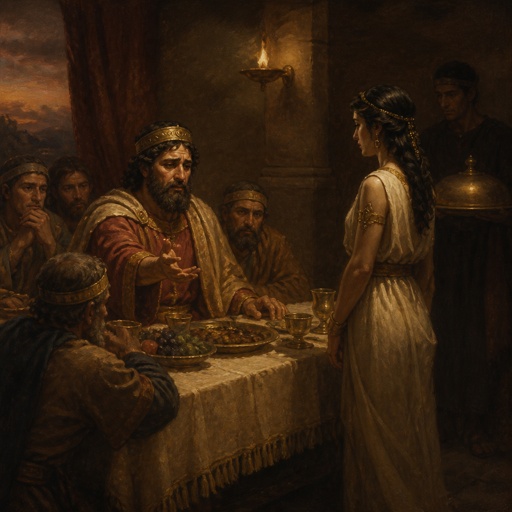
"And the king was sorry: nevertheless for the oath's sake, and them which sat with him at meat, he commanded it to be given her." - Matthew 14:9

Matthew 5:14

Matthew 6:14

Matthew 5:14

Matthew 9:21-22

matthew 2:14

Matthew 9:21-22

Matthew 9:21-22

Matthew 9:21-22

Matthew 9:21-22

Matthew 2:9

Matthew 9:9 - "¶ And as Jesus passed forth from thence, he saw a man, named Matthew, sitting at the receipt of custom: and he saith unto him, Follow me. And he arose, and followed him."

Matthew 2:9

Matthew 7:13-14

Matthew 7:13-14