The Pattern of Prayer: Seeking the Heart of God
"King James Version (KJV) After this manner therefore pray ye: Our Father which art in heaven, Hallowed be thy name. Thy kingdom come, Thy will be done in earth, as it is in heaven. Give us this day our daily bread. And forgive us our debts, as we forgive our debtors. And lead us not into temptation, but deliver us from evil: For thine is the kingdom, and the power, and the glory, for ever. Amen." - Matthew 6:9-13
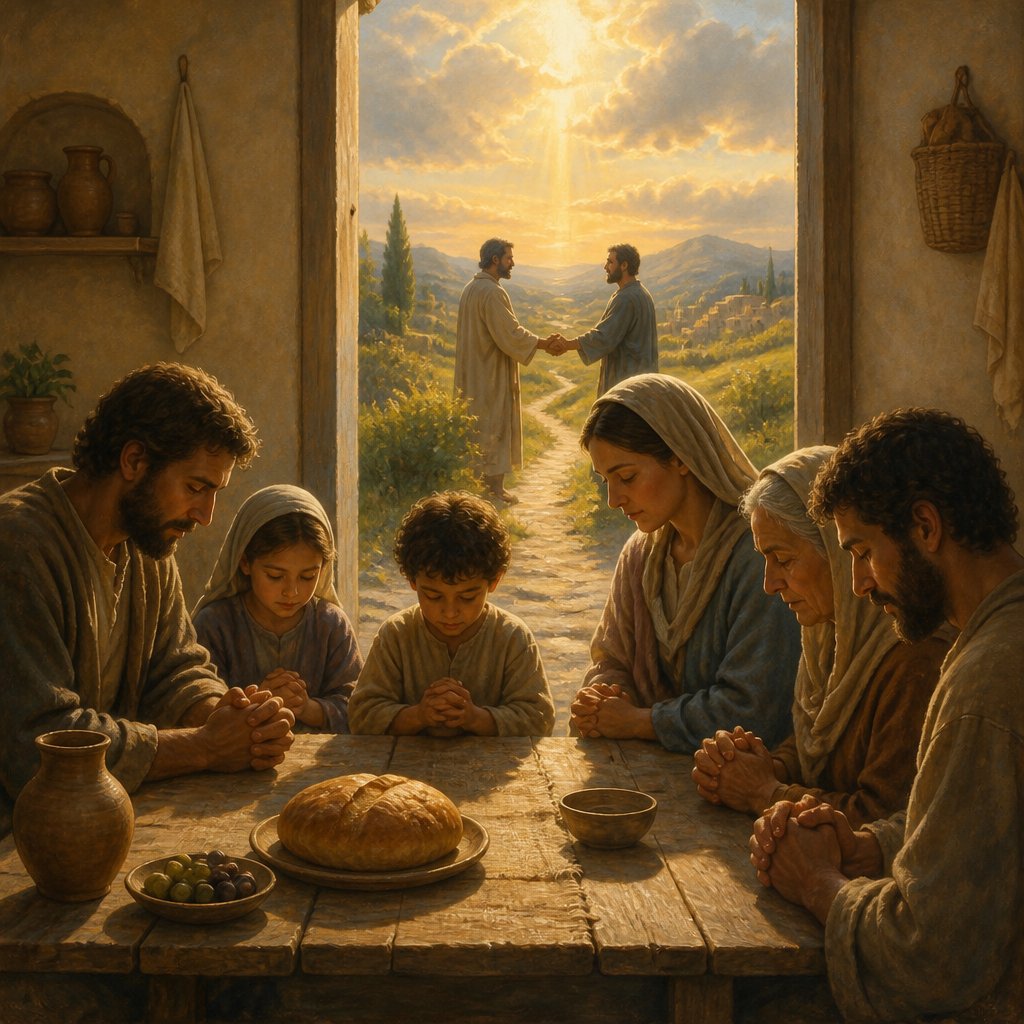
The Lord’s Prayer, found in Matthew 6:9-13 (KJV), serves as both a guide and a model for our communication with God. In it, Jesus outlines the essentials of prayer and establishes a profound connection between the divine and the believer. In a world saturated with noise and distraction, this prayer serves as a powerful reminder of how we can still our hearts and focus on our relationship with our Heavenly Father.
**Our Father which art in heaven, Hallowed be thy name.**
This opening addresses God intimately as ‘Our Father.’ It reminds us that prayer is a relational activity, grounded in love. The very concept of God as our Father emphasizes intimacy, care, and a lasting commitment. He is not some distant deity; instead, He invites us into a familial relationship. By recognizing His holiness—‘Hallowed be thy name’—we acknowledge His majesty, sovereignty, and purity. In our prayers, we should enter with reverence, understanding that we are approaching the Creator of the universe who desires personal fellowship with us. Worship comes before our needs, solidifying our understanding of who we are speaking to—a holy God who deserves our praise.
**Thy kingdom come, Thy will be done in earth, as it is in heaven.**
Praying for God’s kingdom to come is a commitment to His reign in our lives and within the world. It is a recognition that His kingdom is not of this world but prepares us for eternity. When we pray, ‘Thy will be done,’ we yield our desires and ambitions to His plans, understanding that God’s ways are higher than ours. This is often challenging since we have our own wants and needs, but this submission to His will is a central tenet of faith. It is an acknowledgment that true fulfillment is found in aligning our life with God’s purpose rather than chasing our fleeting dreams.
**Give us this day our daily bread.**
This petition highlights our dependence on God for sustenance. It teaches us to trust Him daily, seeking for bread—not merely as physical nourishment but as a broader request for all that sustains our lives. This request illustrates that our needs are met day by day, inviting us to reject worry for the future and to rest in the assurance that God will provide for us. Living in a state of gratitude for what we have today positions us to receive God’s blessings and encourages us to develop a spirit of generosity towards others.
**And forgive us our debts, as we forgive our debtors.**
In this passage, we see the reciprocal nature of forgiveness. We ask the Lord to forgive our sins while simultaneously committing ourselves to forgive those who have wronged us. This exchange emphasizes that forgiveness is not only a divine gift but also a necessary exercise in our interactions with others. Holding onto unforgiveness can create barriers in our relationship with God and can stifle our spiritual growth. As we grasp the enormity of God's grace towards us, we must then reflect that grace to others, allowing healing to occur both within ourselves and in our relationships.
**And lead us not into temptation, but deliver us from evil:**
This line expresses our desire for guidance and protection from the trials that can lead us away from God. We acknowledge our vulnerability and the reality of evil in this world. By asking for deliverance, we open ourselves to divine assistance, trusting that God will help us navigate the challenges of life. We must remain vigilant in the face of temptation, relying on His strength and wisdom to guide our decisions.
**For thine is the kingdom, and the power, and the glory, for ever. Amen.**
Concluding with this doxology, we exalt God’s eternal sovereignty and power. This reminder directs our focus back to Him, engendering a humble acknowledgment that all things—our prayers, requests, and lives—are ultimately for His glory. As we pray, let us remember that prayer is more than mere words; it is an engagement of our hearts, and when we pray like Christ taught us, we align ourselves with God’s purpose. Thus, we can go forth with confidence, knowing we are heard by our Father.
Want to reflect more on Matthew 6:9-13?
Continue your spiritual journey with Bible Chat — an AI-powered tool for exploring God's Word through conversation. Ask questions, discover connections, and deepen your understanding.
Get Our Apps


Matthew 6:9-13 Artwork

Matthew 6:9-13

Matthew 6:9-13 - "This, then, is how you should pray: 'Our Father in heaven, hallowed be your name, your kingdom come, your will be done, on earth as it is in heaven. Give us today our daily bread. And forgive us our debts, as we also have forgiven our debtors. And lead us not into temptation, but deliver us from the evil one.'"
"This, then, is how you should pray: 'Our Father in heaven, hallowed be your name, your kingdom come, your will be done, on earth as it is in heaven. Give us today our daily bread. And forgive us our debts, as we also have forgiven our debtors. And lead us not into temptation, but deliver us from the evil one.'" - Matthew 6:9-13

Matthew 6:13

Matthew 13:9 - "Who hath ears to hear, let him hear."

Matthew 6:9 - "After this manner therefore pray ye: Our Father which art in heaven, Hallowed be thy name."

Luke 13:6-9

Matthew 13:6 - "And when the sun was up, they were scorched; and because they had no root, they withered away."

Matthew 6:13 - "And lead us not into temptation, but deliver us from evil: For thine is the kingdom, and the power, and the glory, for ever. Amen."

Matthew 9:13 - "But go ye and learn what that meaneth, I will have mercy, and not sacrifice: for I am not come to call the righteous, but sinners to repentance."
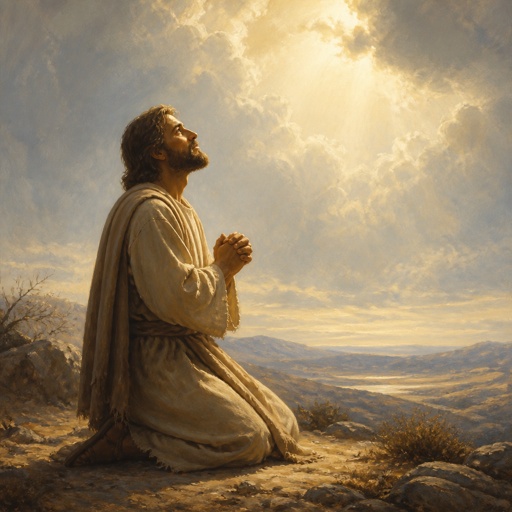
"After this manner therefore pray ye: Our Father which art in heaven, Hallowed be thy name." - Matthew 6:9

"Who hath ears to hear, let him hear." - Matthew 13:9

Matthew 9:12-13 - "On hearing this, Jesus said, “It is not the healthy who need a doctor, but the sick. But go and learn what this means: ‘I desire mercy, not sacrifice.’ For I have not come to call the righteous, but sinners.”"

"And when the sun was up, they were scorched; and because they had no root, they withered away." - Matthew 13:6

Matthew 6:6

Matthew 9:6 - "But that ye may know that the Son of man hath power on earth to forgive sins, (then saith he to the sick of the palsy,) Arise, take up thy bed, and go unto thine house."

Matthew 13

Matthew 9:9-13 - "As Jesus went on from there, he saw a man named Matthew sitting at the tax collector’s booth. “Follow me,” he told him, and Matthew got up and followed him. While Jesus was having dinner at Matthew’s house, many tax collectors and sinners came and ate with him and his disciples. When the Pharisees saw this, they asked his disciples, “Why does your teacher eat with tax collectors and sinners?” On hearing this, Jesus said, “It is not the healthy who need a doctor, but the sick. But go and learn what this means: ‘I desire mercy, not sacrifice.’ For I have not come to call the righteous, but sinners.”"

Matthew 8:13

Matthew 8:13

Matthew 8:13

Matthew 13

Matthew 7:13-14

Matthew 7:13-14

Matthew 7:13-14

Matthew 7:13-14

Matthew 7:13-14

Matthew 7:13-14

Matthew 7:13-14

Matthew 9:21