Striving for Divine Perfection: A Journey Towards Christlikeness
"Be ye therefore perfect, even as your Father which is in heaven is perfect." - Matthew 5:48
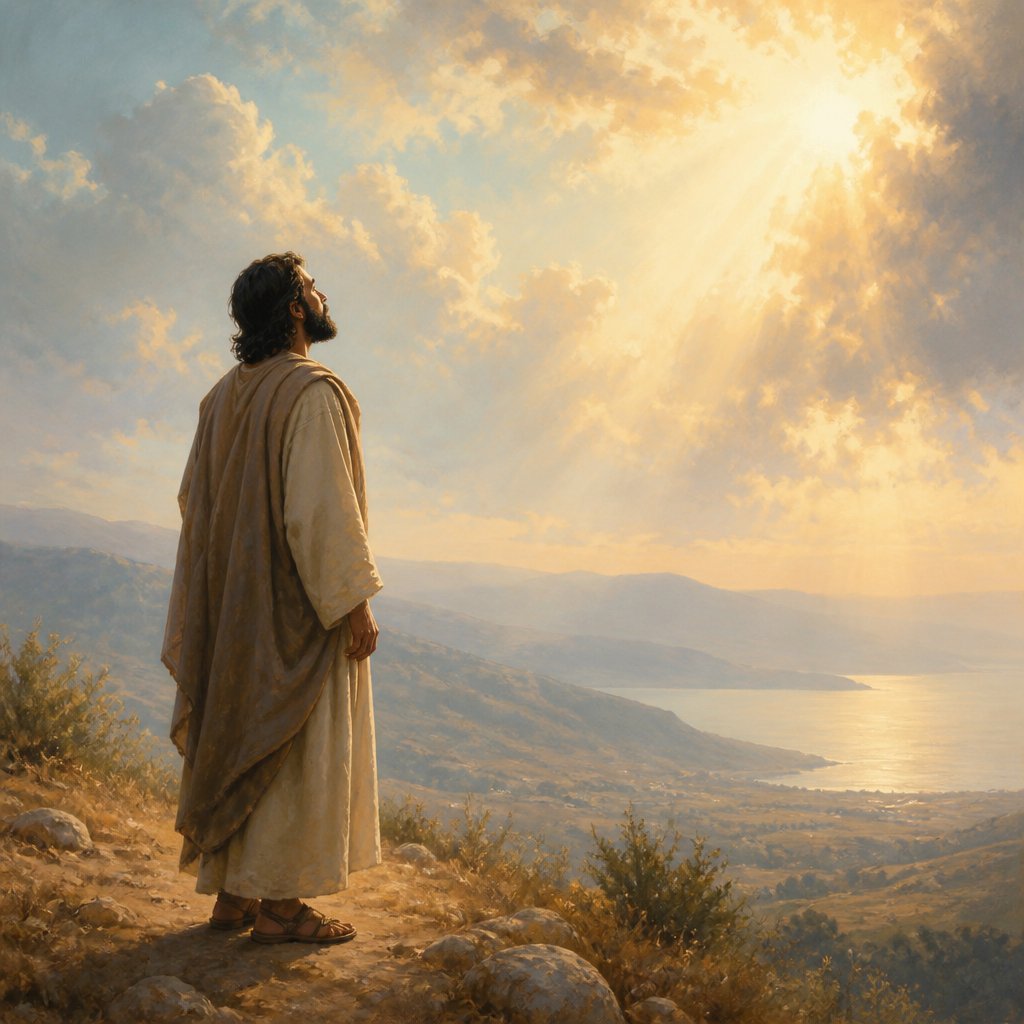
The verse from Matthew 5:48, "Be ye therefore perfect, even as your Father which is in heaven is perfect," serves as a profound calling for all believers, challenging us to rethink our understanding of perfection and its implications for our daily lives. In the context of the Sermon on the Mount, Jesus unveils not only the ethical demands of the Kingdom but also the standard of holiness that God expects from His children.
Perfection, in this sense, is often misconstrued to mean an unattainable flawlessness. However, when we examine the intent behind Jesus’ words, we discern that He is calling us to a state of maturity and completeness in our relationship with Him. The Greek term for perfection that Jesus uses conveys a sense of wholeness, suggesting that God desires us to grow into the fullness of His character displayed through Christ. Thus, our goal is not to be without sin but rather to embody the love, grace, and righteousness that reflects our Creator's character.
Understanding this verse requires us to dig deeper into our journey of faith. The pursuit of perfection, as Jesus outlines, is not rooted in self-reliance or personal ambition but in the transformation that comes from a genuine relationship with God. The more we immerse ourselves in prayer, Scripture, and community, the more we become like Christ—who is our model of perfection. Paul encourages this in Philippians 3:12-14, where he acknowledges, "Not as though I had already attained, either were already perfect: but I follow after, if that I may apprehend that for which also I am apprehended of Christ Jesus."
In practical terms, this might involve cultivating the fruits of the Spirit—love, joy, peace, patience, kindness, goodness, faithfulness, gentleness, and self-control (Galatians 5:22-23). Each day presents us with opportunities to practice these qualities, contributing to our growth towards spiritual maturity. When we love unconditionally, even those who do not love us back, we reflect the nature of our heavenly Father, demonstrating grace and mercy as He does. Learning to forgive, to show kindness, to embody peace—these actionable aspects of our faith bring us closer to the perfection Christ is encouraging us to strive for.
Furthermore, the call to be perfect poses a challenge in our interactions within the body of Christ. In Ephesians 4:11-13, Paul writes about equipping the saints for the work of the ministry, ultimately aiming for the unity of faith and knowledge of the Son of God, leading to a mature man, to the measure of the stature of the fullness of Christ. Here, the journey towards perfection is collective. As we sharpen and encourage one another, we reflect the beauty of God's design for community.
On a practical level, embracing the challenge of this verse also means confronting our inner struggles. The recognition of our imperfections leads to the understanding of our reliance on God's grace. It invites us to a lifestyle of repentance and renewal. Each misstep can then be a reminder of our need for His power to transform us rather than a disappointment in our failure to meet unattainable standards. This grace is where the journey of perfection truly begins.
In closing, Matthew 5:48 stands as both an aspiration and a reassurance. God’s perfect love casts out fear (1 John 4:18), freeing us from the burden of striving for an earthly understanding of perfection. Instead, we are called to reflect His image, to mature in faith, and to extend the grace we've received to others. Let this verse inspire not only a personal transformation but also a communal effort as we strive towards the high calling of being with Him and for Him. May we be encouraged every day to take intentional steps towards this divine perfection, in the full assurance that our journey is supported by the love and grace of our Heavenly Father.
Want to reflect more on Matthew 5:48?
Continue your spiritual journey with Bible Chat — an AI-powered tool for exploring God's Word through conversation. Ask questions, discover connections, and deepen your understanding.
Get Our Apps


Matthew 5:48 Artwork

Matthew 5:48 - "Be ye therefore perfect, even as your Father which is in heaven is perfect."

"Be ye therefore perfect, even as your Father which is in heaven is perfect." - Matthew 5:48

Isaiah 48:5

Isaiah 48:5

Isaiah 48:5

Isaiah 48:5

Matthew 24:48 - "But and if that evil servant shall say in his heart, My lord delayeth his coming;"

Matthew 27:48 - "And straightway one of them ran, and took a spunge, and filled it with vinegar, and put it on a reed, and gave him to drink."

Matthew 13:48 - "Which, when it was full, they drew to shore, and sat down, and gathered the good into vessels, but cast the bad away."

Matthew 12:48 - "But he answered and said unto him that told him, Who is my mother? and who are my brethren?"

Psalms 48:5 - "They saw it, and so they marvelled; they were troubled, and hasted away."

Ezekiel 48:5 - "And by the border of Manasseh, from the east side unto the west side, a portion for Ephraim."

Matthew 26:48 - "Now he that betrayed him gave them a sign, saying, Whomsoever I shall kiss, that same is he: hold him fast."

Jeremiah 48:5 - "For in the going up of Luhith continual weeping shall go up; for in the going down of Horonaim the enemies have heard a cry of destruction."

"They saw it, and so they marvelled; they were troubled, and hasted away." - Psalms 48:5

Matthew 5:5 - "Blessed are the meek: for they shall inherit the earth."

Matthew 5:44

Matthew 5:44

Matthew 5

Matthew 5
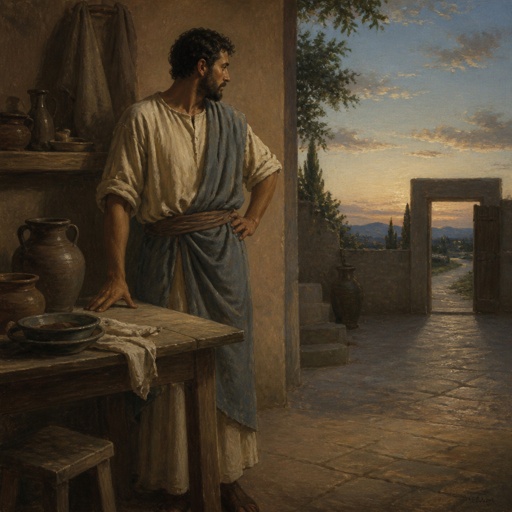
"But and if that evil servant shall say in his heart, My lord delayeth his coming;" - Matthew 24:48

Matthew 5:44

Matthew 5:44

Matthew 5

Isaiah 48:5 A highly conceptual and symbolic representation of Isaiah 48:5. Visualize a vast, ancient timepiece or scroll that is simultaneously unrolling into the present moment. The scroll is emanating a brilliant, glowing light which is eclipsing shadowed, shattered fragments of carved wood and broken metal idols scattered at the base of the image. The style should be highly detailed, luminous, and inspired by Baroque painting, emphasizing dramatic contrast (chiaroscuro) between the divine light and the darkness of human-made deities.

Matthew 5:44

Matthew 5:44

Matthew 5:14

Matthew 5:44

Matthew 5:38