The Cost of Our Words: Understanding Matthew 5:26
"Verily I say unto thee, Thou shalt by no means come out thence, till thou hast paid the uttermost farthing." - Matthew 5:26
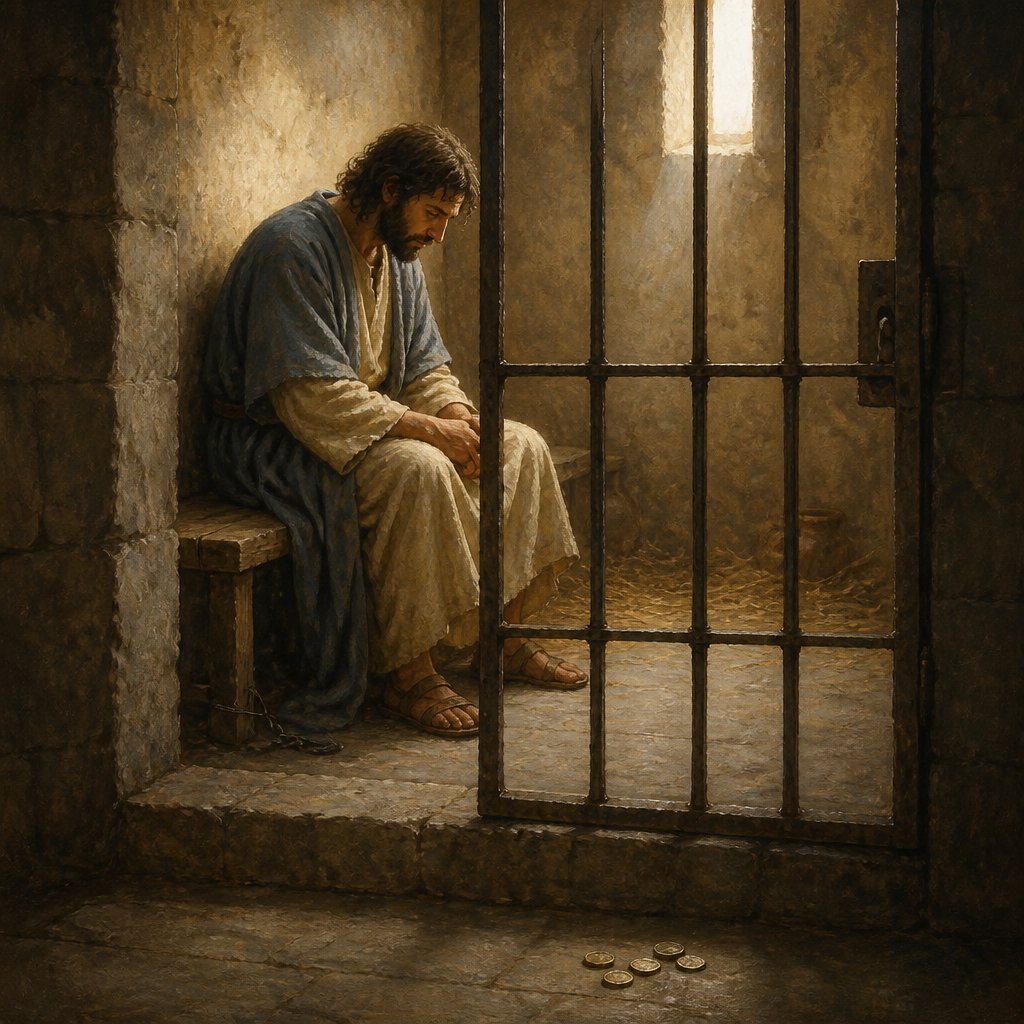
In the Sermon on the Mount, Jesus provides profound teachings that guide our lives, challenging our understanding of righteousness and the essence of the Law. Among these teachings, Matthew 5:26 resonates powerfully, stating, "Verily I say unto thee, Thou shalt by no means come out thence, till thou hast paid the uttermost farthing." This verse, while simple in its structure, contains depth that compels us to reflect upon our relationships and accountability.
The context of this verse is rooted in the broader teachings on anger and reconciliation. Here, Jesus warns against the destructive nature of unresolved disputes and hostility. The word "verily" serves as an attention grabber; it’s a declaration of truth that commands respect. When Jesus speaks these words, he guides us to recognize the seriousness of our actions and the implications they have on our spiritual lives. He emphasizes that disputes must be settled to avoid greater consequences.
In biblical times, a farthing was the smallest coin in circulation. When Jesus speaks of paying the "uttermost farthing," He is highlighting the importance of paying attention to every detail, no matter how insignificant it may seem. It reminds us that nothing is too trivial in our relationships with one another or in our dealings with God. Just as a farthing cannot be overlooked in a monetary debt, the weight of our words and actions cannot be dismissed in the realm of interpersonal relationships.
The phrase "thou shalt by no means come out thence" suggests a confinement, a prison of sorts that we find ourselves in when our hearts are filled with anger and resentment. This teaches us that harboring unresolved issues effectively traps us. We are unable to move forward or experience freedom in Christ while we cling to these grievances. The call to settle accounts reflects God’s desire for us to pursue peace and reconciliation. Jesus urges us to consider the cost of our grudges and the debts we owe; it’s not purely monetary but spiritual and emotional as well.
Furthermore, this verse prompts us to examine how we engage with our relationships, particularly in conflict. Undoubtedly, conflicts arise, whether in our homes, workplaces, or communities. The easy route is often to justify our anger, to dismiss the need for reconciliation, or to engage in silence. Yet, Jesus dismantles our excuses, offering a clear directive for restoration. We are reminded that unresolved conflict engenders bitterness—and bitterness is a weight that can hinder our spiritual growth and distort our relationship with God.
This principle extends beyond human relationships into the realm of our relationship with God. Sin creates a debt that we cannot repay on our own. Just as we may find it difficult to settle external conflicts, we must acknowledge the internal debt we owe to God due to our transgressions. Thankfully, through Jesus’s sacrifice, we are granted both forgiveness and the opportunity to live reconciled lives. It reminds us that while we may bear the weight of our sins, the ultimate payment has been made for us—a divine grace that we are called to extend to others.
As we reflect on Matthew 5:26, let us consider the words we speak, the feelings we harbor, and the integrity of our relationships with both others and God. Are there unresolved issues that need attention in your life? Are there debts, both spoken and unspoken, that you need to reconcile?
Let this verse serve as a call to action. We must evaluate whether we are willing to pay our "uttermost farthing" not only in our human relationships but also in our walk with God. True freedom comes when we resolve our conflicts, seeking forgiveness and offering grace. Let us strive to emerge from our spiritual confinements, paving paths of peace and unity, for only then can we experience the fullness of what God has for us in our lives.
Take a moment to pray and ask God to show you any areas in your life where you need to seek reconciliation. Trust that He will help guide you as you endeavor to resolve every conflict and live in the liberty He has offered you.
Want to reflect more on Matthew 5:26?
Continue your spiritual journey with Bible Chat — an AI-powered tool for exploring God's Word through conversation. Ask questions, discover connections, and deepen your understanding.
Get Our Apps


Matthew 5:26 Artwork

Matthew 5:26 - "Verily I say unto thee, Thou shalt by no means come out thence, till thou hast paid the uttermost farthing."
"Verily I say unto thee, Thou shalt by no means come out thence, till thou hast paid the uttermost farthing." - Matthew 5:26

Matthew 26:5 - "But they said, Not on the feast day, lest there be an uproar among the people."
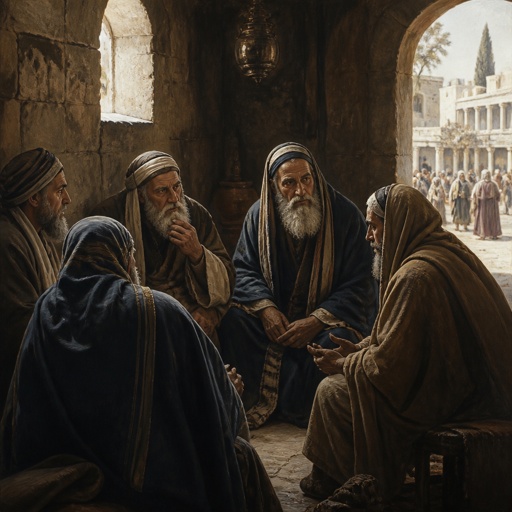
"But they said, Not on the feast day, lest there be an uproar among the people." - Matthew 26:5

Matthieu 5:23-26

Matthew 26:25

Matthew 26:15

Matthew 19:26

Matthew 26:15

Matthew 27:26

Matthew 27:26

Matthew 26:53

Matthew 26:65

Matthew 26:41

Matthew 26:53

Matthew 26:26 - "¶ And as they were eating, Jesus took bread, and blessed it, and brake it, and gave it to the disciples, and said, Take, eat; this is my body."

Matthew 22:26 - "Likewise the second also, and the third, unto the seventh."

Matthew 9:26 - "And the fame hereof went abroad into all that land."

Matthew 26:54 - "But how then shall the scriptures be fulfilled, that thus it must be?"

Matthew 26:6 - "¶ Now when Jesus was in Bethany, in the house of Simon the leper,"

Matthew 26:4 - "And consulted that they might take Jesus by subtilty, and kill him."

Matthew 5:5 - "Blessed are the meek: for they shall inherit the earth."

Matthew 26:16 - "And from that time he sought opportunity to betray him."

Matthew 5:44

Matthew 5:44

Matthew 5

Matthew 5

Matthew 26:72 - "And again he denied with an oath, I do not know the man."

Matthew 11:26 - "Even so, Father: for so it seemed good in thy sight."

Matthew 26:20 - "Now when the even was come, he sat down with the twelve."