Reconciliation at the Altar: A Heart's Offering
"Therefore if thou bring thy gift to the altar, and there rememberest that thy brother hath ought against thee;" - Matthew 5:23
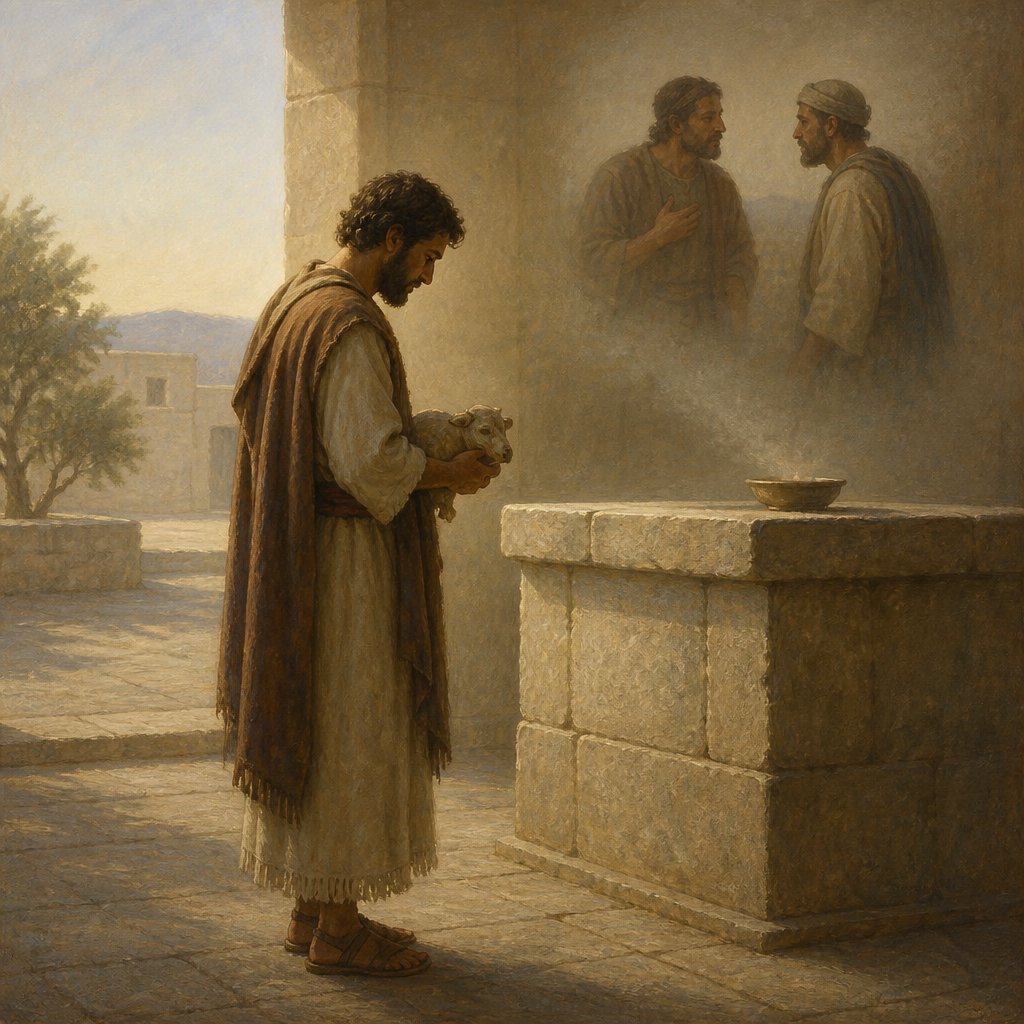
In the profound teachings of Jesus, recorded in the Gospel of Matthew, we find a pivotal instruction concerning our relationship with others and the seriousness of reconciliation. Matthew 5:23 states, "Therefore if thou bring thy gift to the altar, and there rememberest that thy brother hath ought against thee;" This verse challenges us to examine the state of our hearts before we approach God in worship. The significance of this teaching is not just about offering a gift; it deeply relates to our relational integrity with those around us.
To fully appreciate the gravity of Jesus' words, we must consider the cultural context in which they were spoken. In the time of Christ, the altar and sacrificial offerings were central to worship in Judaism. People would travel from afar, carrying their sacrifices to present before the Lord, believing these offerings could restore their right standing with God. However, Jesus emphasizes that our worship is entirely contingent upon our relationships with others. If, at that moment, we recall that a brother has something against us, we are urged to pause and make reconciliation a priority.
This teaching underscores an essential truth: God desires genuine relationships among His people. Throughout Scripture, we see God's heart is not only for our vertical relationship with Him but also our horizontal relationships with one another. The act of offering sacrifices meant to honor God was rendered ineffective if we harbored unresolved conflict with a brother or sister.
The word "ought" in this verse indicates a sense of grievance or something owed. If we reflect on our own lives, we might find that many of us carry weights of guilt, hurt, or conflict that impair our ability to truly worship. Jesus is not merely suggesting that we smooth over our issues or pretend they do not exist; rather, He insists that we confront them head-on. This may require humility, vulnerability, and even a willingness to enter uncomfortable situations, but it is necessary for true worship.
Reconciliation can sometimes be a difficult or daunting task. It often requires us to disentangle ourselves from pride and selfishness. As we approach the altar, we must recognize that our offering is not merely a function of ritual or tradition; it is an act of love and sincerity, deeply intertwined with the command to love our neighbor as ourselves. Jesus calls us to embody grace and forgiveness, mirroring the very nature of God who has reconciled us to Himself.
Furthermore, this verse emphasizes the importance of immediacy. Jesus does not propose that we schedule a time for reconciliation in the distant future; rather, He encourages us to act swiftly. The act of bringing our gifts to the altar symbolizes our desire to draw near to God. Still, if we let unresolved conflicts linger, we risk distancing ourselves from Him and tainting our act of worship. In practice, this could mean making a phone call, sending a message, or having a face-to-face conversation to address wrongs and seek forgiveness.
When we take these steps towards reconciliation, we not only adhere to Jesus' command but also embody the message of the Gospel – that we are called to be peacemakers. In doing so, we foster a community defined by love, harmony, and acceptance. It reflects God’s character and brings glory to Him through our restored relationships.
As you reflect on this verse today, consider your own relational landscape. Are there unresolved issues with a brother or sister? How can you respond to Jesus' command to put reconciliation at the forefront of your worship? As you bring your gift to the altar, let your heart be stirred to seek peace, ensuring that your offering is pleasing not just to God above, but to those whom He has placed beside you.
Want to reflect more on Matthew 5:23?
Continue your spiritual journey with Bible Chat — an AI-powered tool for exploring God's Word through conversation. Ask questions, discover connections, and deepen your understanding.
Get Our Apps


Matthew 5:23 Artwork

Matthew 5:23 - "Therefore if thou bring thy gift to the altar, and there rememberest that thy brother hath ought against thee;"

Matthew 5:23-24 - "Therefore, if you are offering your gift at the altar and there remember that your brother or sister has something against you, leave your gift there in front of the altar. First go and be reconciled to them; then come and offer your gift."
"Therefore if thou bring thy gift to the altar, and there rememberest that thy brother hath ought against thee;" - Matthew 5:23

Matthieu 5:23-26

Matthew 5:23-26 - "Therefore if thou bring thy gift to the altar, and there rememberest that thy brother hath ought against thee; Leave there thy gift before the altar, and go thy way; first be reconciled to thy brother, and then come and offer thy gift. Agree with thine adversary quickly, whiles thou art in the way with him; lest at any time the adversary deliver thee to the judge, and the judge deliver thee to the officer, and thou be cast into prison. Verily I say unto thee, Thou shalt by no means come out thence, till thou hast paid the uttermost farthing."

"Therefore, if you are offering your gift at the altar and there remember that your brother or sister has something against you, leave your gift there in front of the altar. First go and be reconciled to them; then come and offer your gift." - Matthew 5:23-24

"Therefore if thou bring thy gift to the altar, and there rememberest that thy brother hath ought against thee; Leave there thy gift before the altar, and go thy way; first be reconciled to thy brother, and then come and offer thy gift. Agree with thine adversary quickly, whiles thou art in the way with him; lest at any time the adversary deliver thee to the judge, and the judge deliver thee to the officer, and thou be cast into prison. Verily I say unto thee, Thou shalt by no means come out thence, till thou hast paid the uttermost farthing." - Matthew 5:23-26

Matthew 23:5 - "But all their works they do for to be seen of men: they make broad their phylacteries, and enlarge the borders of their garments,"

Mathew 23:5 The

Matthew 6:23
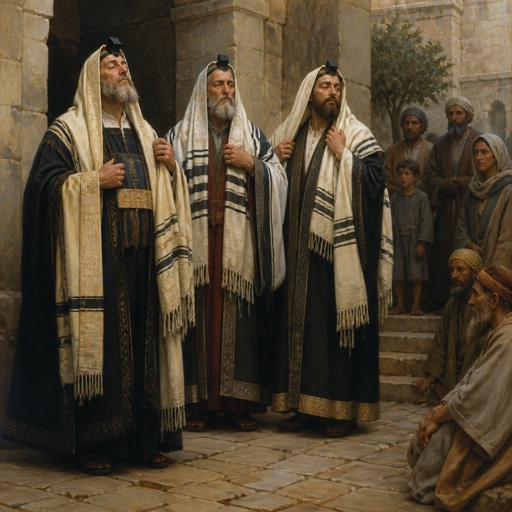
"But all their works they do for to be seen of men: they make broad their phylacteries, and enlarge the borders of their garments," - Matthew 23:5

Matthew 25:23

Matthew 2:23

Matthew 15:23

Matthew 2:23

Matthew 23:12

Matthew 23:12

Matthew 2:23

Matthew 23:28

Matthew 25:23

MATTHEW 28: 23

Matthew 15:23

matthew 7:23

Matthew 2:23

Matthew 23:28

Matthew 18:23-34

Matthew 18:23-34

Matthew 18:23-34

They do all their deeds to be seen by others. For they make their phylacteries broad and their fringes long, and they love the place of honour at feasts and the best seats in the synagogues and greetings in the marketplaces and being called rabbi by other.” Matthew 23:5

Matthew 18:23-34