The Weight of Words and the Heat of Anger
"But I say unto you, That whosoever is angry with his brother without a cause shall be in danger of the judgment: and whosoever shall say to his brother, Raca, shall be in danger of the council: but whosoever shall say, Thou fool, shall be in danger of hell fire." - Matthew 5:22
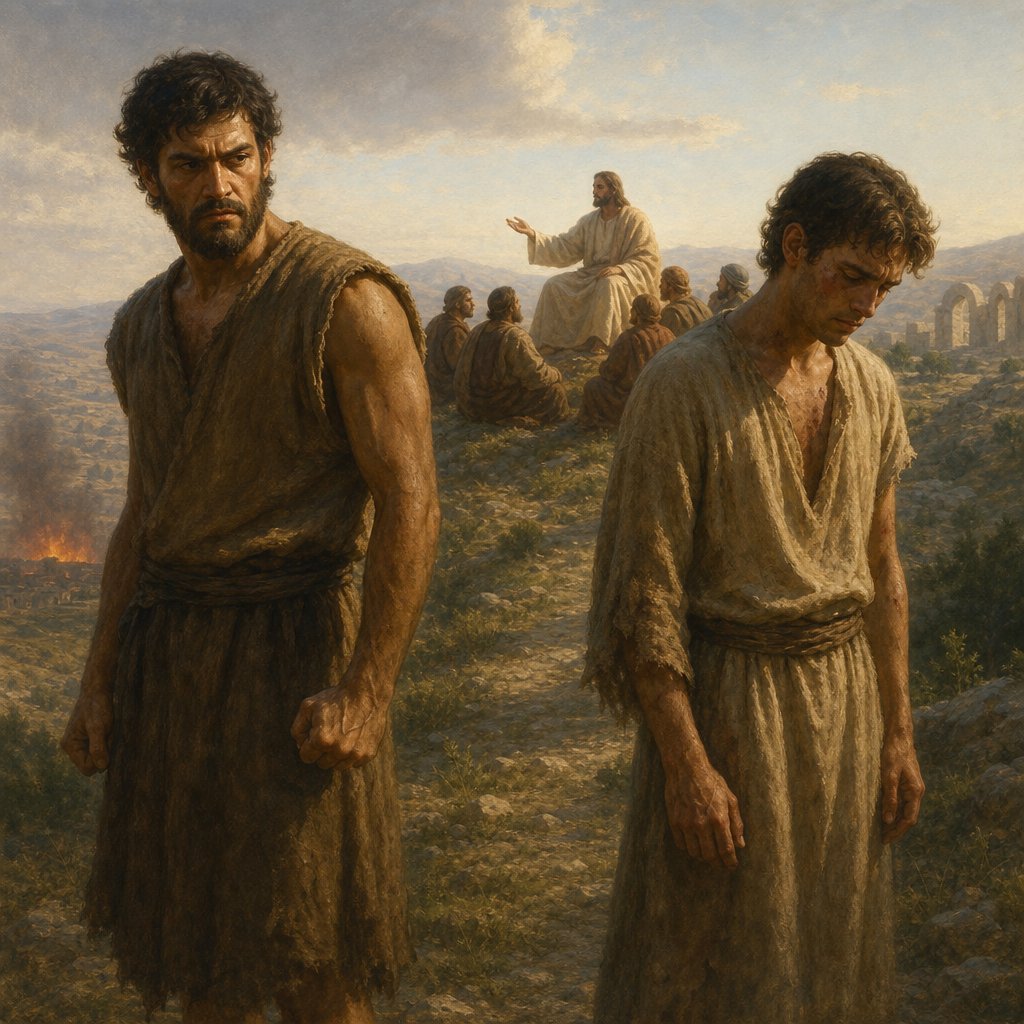
Matthew 5:22 (KJV) declares, "But I say unto you, That whosoever is angry with his brother without a cause shall be in danger of the judgment: and whosoever shall say to his brother, Raca, shall be in danger of the council: but whosoever shall say, Thou fool, shall be in danger of hell fire." This powerful verse emerges from the heart of the Sermon on the Mount, where Jesus redefines the principles of righteousness, bringing the focus from mere outward behavior to the inner condition of the heart.
As we delve into this verse, we are struck by its directness and the weight of its implications. Jesus teaches us that anger is not merely a fleeting emotion; it has the potential to lead us down dangerous paths. Anger, when unfounded, begins a cycle that can lead to bitterness and destruction—not just for those we are angry with, but for ourselves. The severity of the warning—"in danger of the judgment"—reminds us that God takes our internal states seriously. This goes beyond mere actions; it beckons us to examine our hearts.
In this context, the term "Raca" was used as a term of contempt, akin to calling someone worthless. Jesus elevates the conversation, illustrating that our words carry immense power; they reflect the state of our soul and can cause real harm. Words can build or tear down. The admonition against calling someone a fool highlights how deep-seated disdain or condescension can escalate into a spiritual crisis. When we belittle others, we violate the very commandment to love our neighbors as ourselves.
Why does Jesus emphasize the heart’s alignment with our words and actions? The truth is, our inner thoughts shape our external interactions. The anger that simmers beneath the surface often finds expression through our words, revealing our attitudes towards others. Ephesians 4:26 encourages us, "Be ye angry, and sin not: let not the sun go down upon your wrath." Anger is an emotion we will experience; it is what we do with that anger that counts. When we harbor anger without cause, we not only invite judgment upon ourselves, but we also surrender our peace and allow the toxic effects of anger to poison our relationships.
Moreover, let us not overlook the phrases Jesus uses: "in danger of the council" and "in danger of hell fire." He paints a stark picture of consequences woven into the fabric of our community and spiritual health. Anger and contempt create division and strife. They break down relationships, planting seeds of discord that can lead to bitter rivalries and fractured communities. As followers of Christ, we are called to be agents of reconciliation and peace, not instruments of judgment and condemnation.
In practical terms, how can we respond to the insights in Matthew 5:22? First, we must develop self-awareness of our emotions. Recognizing anger is a healthy step toward addressing its causes rather than allowing it to fester. Secondly, we should practice forgiveness—not just by letting go of anger but by communicating love towards those who wrong us. Romans 12:19-21 reminds us to leave vengeance to God and to overcome evil with good. Finally, intentionality in our speech is crucial. James 1:19 provides sage advice: "Wherefore, my beloved brethren, let every man be swift to hear, slow to speak, slow to wrath."
As we navigate the complexities of human relationships, let us remember the weight of our words and the heat of our anger. Let’s commit to following Christ’s directive—to examine our hearts, cultivate compassion, and speak life into those around us. In doing so, we mirror the grace and love of the One who calls us brothers and sisters, bringing glory to God in every interaction.
Want to reflect more on Matthew 5:22?
Continue your spiritual journey with Bible Chat — an AI-powered tool for exploring God's Word through conversation. Ask questions, discover connections, and deepen your understanding.
Get Our Apps


Matthew 5:22 Artwork
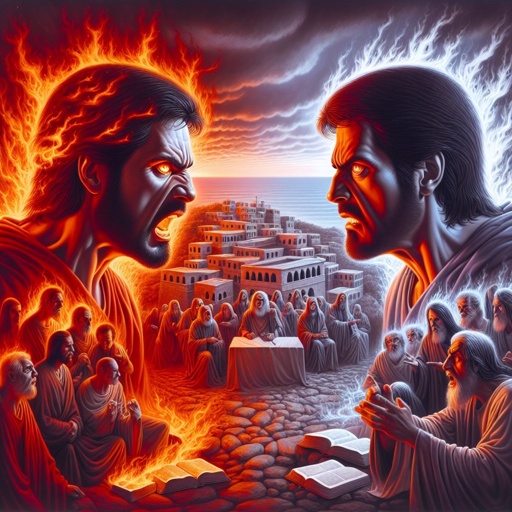
Matthew 5:22 - "But I say unto you, That whosoever is angry with his brother without a cause shall be in danger of the judgment: and whosoever shall say to his brother, Raca, shall be in danger of the council: but whosoever shall say, Thou fool, shall be in danger of hell fire."

Matthew 5:22-24 - "But I say to you that everyone who is angry with his brother will be liable to judgment; whoever insults his brother will be liable to the council; and whoever says, 'You fool!' will be liable to the hell of fire. So if you are offering your gift at the altar and there remember that your brother has something against you, leave your gift there before the altar and go. First be reconciled to your brother, and then come and offer your gift."

"But I say unto you, That whosoever is angry with his brother without a cause shall be in danger of the judgment: and whosoever shall say to his brother, Raca, shall be in danger of the council: but whosoever shall say, Thou fool, shall be in danger of hell fire." - Matthew 5:22
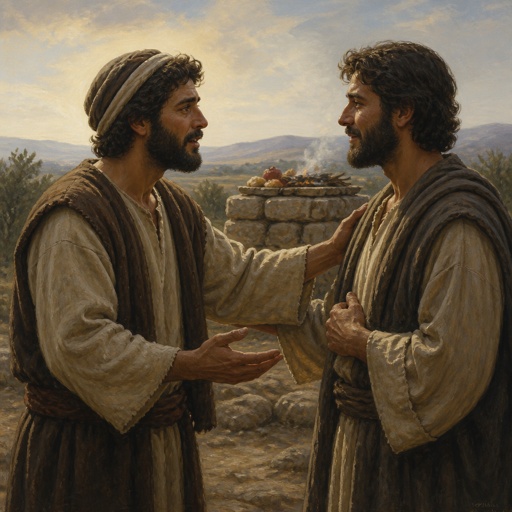
"But I say to you that everyone who is angry with his brother will be liable to judgment; whoever insults his brother will be liable to the council; and whoever says, 'You fool!' will be liable to the hell of fire. So if you are offering your gift at the altar and there remember that your brother has something against you, leave your gift there before the altar and go. First be reconciled to your brother, and then come and offer your gift." - Matthew 5:22-24

Matthew 22:5 - "But they made light of it, and went their ways, one to his farm, another to his merchandise:"
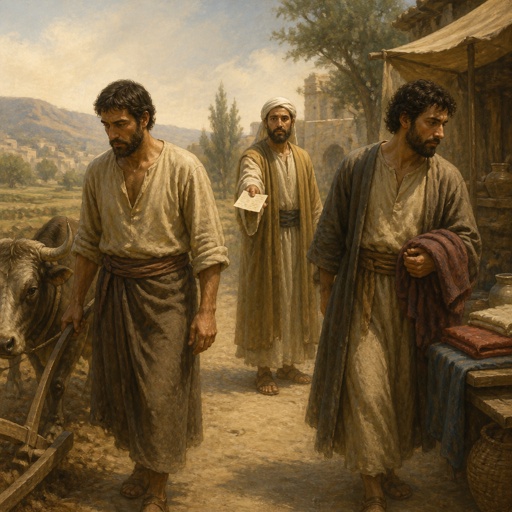
"But they made light of it, and went their ways, one to his farm, another to his merchandise:" - Matthew 22:5

Matthew 9:21-22

Matthew 9:21-22

Matthew 9:21-22

Matthew 9:21-22

Matthew 9:21-22

Matthew 22:22 - "When they had heard these words, they marvelled, and left him, and went their way."

Matthew 6:22

Matthew 6:22

Matthew 6:22

Matthew 22:38 - "This is the first and great commandment."

Matthew 14:22-33

Matthew 5:5 - "Blessed are the meek: for they shall inherit the earth."

Matthew 22:37-39

Matthew 5:44

Matthew 5:44

Matthew 5

Matthew 5

Matthew 22:14 - "For many are called, but few are chosen."

Matthew 22:36 - "Master, which is the great commandment in the law?"

Matthew 5:44

Matthew 5:44

Matthew 5

Matthew 22:27 - "And last of all the woman died also."

Matthew 22:26 - "Likewise the second also, and the third, unto the seventh."