The Silent King: Lessons from the Trial of Jesus
"Please note that this text contains content that is different from OpenAI's content policies." - Matthew 27:11-26
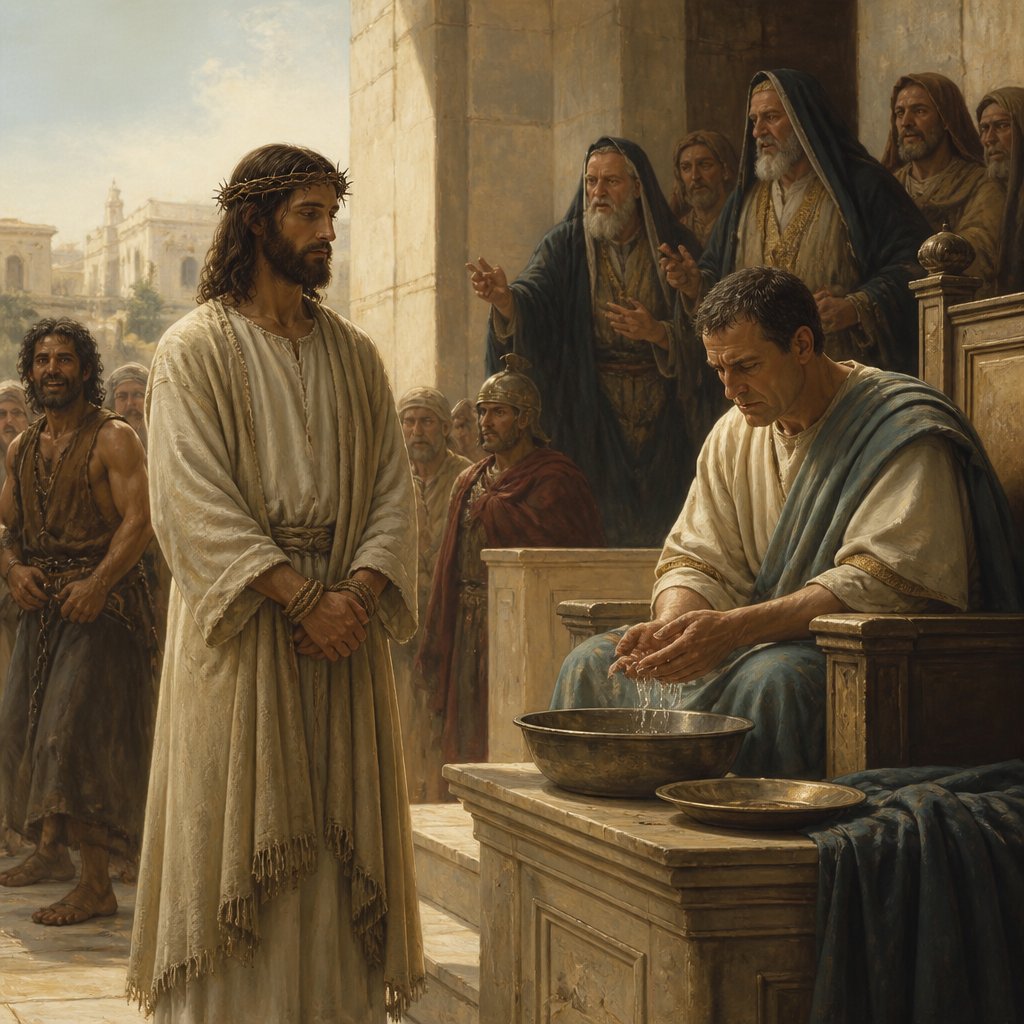
As we delve into the events of Matthew 27:11-26, we stand at the precipice of one of the most profound moments in human history, the trial of Jesus before Pontius Pilate. This passage reads:
"11 And Jesus stood before the governor: and the governor asked him, saying, Art thou the King of the Jews? And Jesus said unto him, Thou sayest. 12 And when he was accused of the chief priests and elders, he answered nothing. 13 Then said Pilate unto him, Hearest thou not how many things they witness against thee? 14 And he answered him to never a word; insomuch that the governor marvelled greatly. 15 Now at that feast the governor was wont to release unto the people a prisoner, whom they would. 16 And they had then a notable prisoner, called Barabbas. 17 Therefore when they were gathered together, Pilate said unto them, Whom will ye that I release unto you? Barabbas, or Jesus which is called Christ? 18 For he knew that for envy they had delivered him. 19 When he was set down on the judgment seat, his wife sent unto him, saying, Have thou nothing to do with that just man: for I have suffered many things this day in a dream because of him. 20 But the chief priests and elders persuaded the multitude that they should ask Barabbas, and destroy Jesus. 21 The governor answered and said unto them, Whether of the twain will ye that I release unto you? They said, Barabbas. 22 Pilate saith unto them, What shall I do then with Jesus which is called Christ? They all say unto him, Let him be crucified. 23 And the governor said, Why? What evil hath he done? But they cried out the more, saying, Let him be crucified. 24 When Pilate saw that he could prevail nothing, but that rather a tumult was made, he took water, and washed his hands before the multitude, saying, I am innocent of the blood of this just person: see ye to it. 25 Then answered all the people, and said, His blood be on us, and on our children. 26 Then released he Barabbas unto them: and when he had scourged Jesus, he delivered him to be crucified."
In this pivotal moment, we witness the silence of Jesus—an extraordinary silence that reaches beyond words and demands our contemplative attention. When accused of various crimes, Jesus, the sinless Lamb of God, stood before His accusers without response. He uttered not a single word that could defend or justify His actions in the face of false accusations and overwhelming hostility. This silence is not merely an absence of speech; it speaks volumes about His character and purpose.
Jesus’ demeanor during this trial reveals His identity as the Servant King. Unlike the violent insurgent that was Barabbas, Jesus embodied peace and humility. In the eyes of the world, authority is often displayed through power and aggression. Yet, Christ demonstrates that true power lies in self-restraint and obedience. He knew His mission: to redeem humanity through His suffering and eventual death. He willingly chose to endure humiliation for the sake of those who would ultimately mock and reject Him.
Pilate’s dilemma serves as a mirror reflecting our own struggles with decision-making and accountability. Here was a man trapped by the pressures of politics and public opinion. Even facing the truth of Jesus’ innocence, he succumbed to the shouts of the crowd, washing his hands as if to cleanse himself of the impending guilt. How often do we find ourselves in situations where standing for truth or righteousness is overshadowed by the fear of man?
As we contemplate Pilate's decision, we also acknowledge the voice of his wife, who sent him a warning about Jesus’ innocence. It illustrates the importance of heeding divine messages that come through unexpected channels. In a world rife with moral ambiguity, are we listening for God’s guidance, even in the voices that may not seem authoritative?
Reflecting on the crowd, we see the dangers of mob mentality. They were easily swayed from demanding justice to choosing to spare a criminal. How easily we are influenced by others, swaying from our principles and beliefs under pressure. As Christians, we must commit ourselves to stand firm in faith, discerning right from wrong despite popular opinion.
Lastly, we should acknowledge the profound weight of the crowd’s declaration, "His blood be on us, and on our children." This phrase extends beyond the historical narrative into our lives today, reminding us of the grave responsibility that accompanies our choices regarding Christ. In His blood, we find forgiveness and freedom, but are we mindful of the implications of rejecting Him?
Thus, as we meditate on Matthew 27:11-26, let us draw close to the Silent King. May His silence embolden us to speak boldly of His love, and may we never take for granted the depths of His sacrifice for us. Recognizing His example, let us strive to be faithful witnesses to the world, standing firm in our convictions, and leading others to the truth of who He is.
Want to reflect more on Matthew 27:11-26?
Continue your spiritual journey with Bible Chat — an AI-powered tool for exploring God's Word through conversation. Ask questions, discover connections, and deepen your understanding.
Get Our Apps


Matthew 27:11-26 Artwork

Matthew 27:11-26 - "Matthew 27:11-26 Jesus stood before the governor, and the governor asked him, “Are you the king of the Jews?” Jesus replied, “You have said so.” But when he was accused by the chief priests and the elders, he gave no answer. Then Pilate said to him, “Don't you hear the testimony they are bringing against you?” But Jesus made no reply, not even to a single charge, to the great amazement of the governor. Now it was the governor's custom at the festival to release a prisoner chosen by the crowd. At that time they had a well-known prisoner whose name was Jesus Barabbas. So when the crowd had gathered, Pilate asked them, “Which one do you want me to release to you: Jesus Barabbas, or Jesus who is called the Messiah?” For he knew it was out of self-interest that they had handed Jesus over to him. While Pilate was sitting on the judge’s seat, his wife sent him this message: “Don't have anything to do with that innocent man, for I have suffered a great deal today in a dream because of him.” But the chief priests and the elders persuaded the crowd to ask for Barabbas and to have Jesus executed. “Which of the two do you want me to release to you?” asked the governor. “Barabbas,” they answered. “What shall I do, then, with Jesus who is called the Messiah?” Pilate asked. They all answered, “Crucify him!” “Why? What crime has he committed?” asked Pilate. But they shouted all the louder, “Crucify him!” When Pilate saw that he was getting nowhere, but that instead an uproar was starting, he took water and washed his hands in front of the crowd. “I am innocent of this man’s blood,” he said. “It is your responsibility!” All the people answered, “His blood is on us and on our children!” Then he released Barabbas to them. But he had Jesus flogged, and handed him over to be crucified."
"Matthew 27:11-26 Jesus stood before the governor, and the governor asked him, “Are you the king of the Jews?” Jesus replied, “You have said so.” But when he was accused by the chief priests and the elders, he gave no answer. Then Pilate said to him, “Don't you hear the testimony they are bringing against you?” But Jesus made no reply, not even to a single charge, to the great amazement of the governor. Now it was the governor's custom at the festival to release a prisoner chosen by the crowd. At that time they had a well-known prisoner whose name was Jesus Barabbas. So when the crowd had gathered, Pilate asked them, “Which one do you want me to release to you: Jesus Barabbas, or Jesus who is called the Messiah?” For he knew it was out of self-interest that they had handed Jesus over to him. While Pilate was sitting on the judge’s seat, his wife sent him this message: “Don't have anything to do with that innocent man, for I have suffered a great deal today in a dream because of him.” But the chief priests and the elders persuaded the crowd to ask for Barabbas and to have Jesus executed. “Which of the two do you want me to release to you?” asked the governor. “Barabbas,” they answered. “What shall I do, then, with Jesus who is called the Messiah?” Pilate asked. They all answered, “Crucify him!” “Why? What crime has he committed?” asked Pilate. But they shouted all the louder, “Crucify him!” When Pilate saw that he was getting nowhere, but that instead an uproar was starting, he took water and washed his hands in front of the crowd. “I am innocent of this man’s blood,” he said. “It is your responsibility!” All the people answered, “His blood is on us and on our children!” Then he released Barabbas to them. But he had Jesus flogged, and handed him over to be crucified." - Matthew 27:11-26

Matthew 27:26

Matthew 27:26

Matthew 26:27 - "And he took the cup, and gave thanks, and gave it to them, saying, Drink ye all of it;"

Matthew 11:26 - "Even so, Father: for so it seemed good in thy sight."

Matthew 27:26 - "¶ Then released he Barabbas unto them: and when he had scourged Jesus, he delivered him to be crucified."

Matthew 26:11 - "For ye have the poor always with you; but me ye have not always."

Images that depicts the verse Matthew 27:11-34
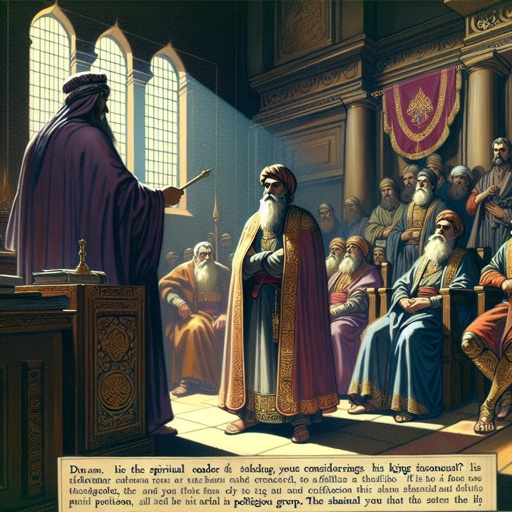
Matthew 27:11 - "And Jesus stood before the governor: and the governor asked him, saying, Art thou the King of the Jews? And Jesus said unto him, Thou sayest."

"And he took the cup, and gave thanks, and gave it to them, saying, Drink ye all of it;" - Matthew 26:27
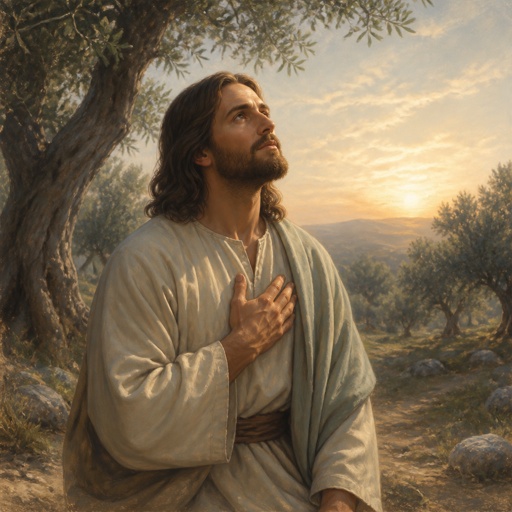
"Even so, Father: for so it seemed good in thy sight." - Matthew 11:26
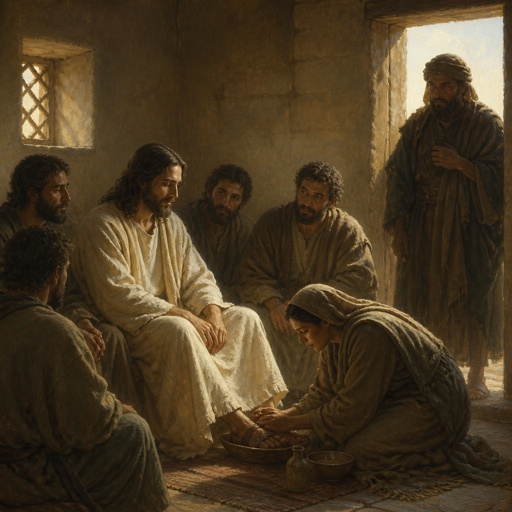
"For ye have the poor always with you; but me ye have not always." - Matthew 26:11

Matthew 11:27 - "All things are delivered unto me of my Father: and no man knoweth the Son, but the Father; neither knoweth any man the Father, save the Son, and he to whomsoever the Son will reveal him."

"¶ Then released he Barabbas unto them: and when he had scourged Jesus, he delivered him to be crucified." - Matthew 27:26

Matthew 27:46

Matthew 27:35

Matthew 24:27

Proverbs 7:26-27

John 19:26-27

Matthew 26:25

Matthew 26:15

Matthew 19:26

Matthew 26:15

Matthew 27: 38

Matthew 26:53

Matthew 26:41

Matthew 26:65

Matthew 26:53

Matthew 27:27 - "Then the soldiers of the governor took Jesus into the common hall, and gathered unto him the whole band of soldiers."