The Paradox of Greatness: Serving in Humility
""But he that is greatest among you shall be your servant. And whosoever shall exalt himself shall be abased; and he that shall humble himself shall be exalted."" - Matthew 23:11-12
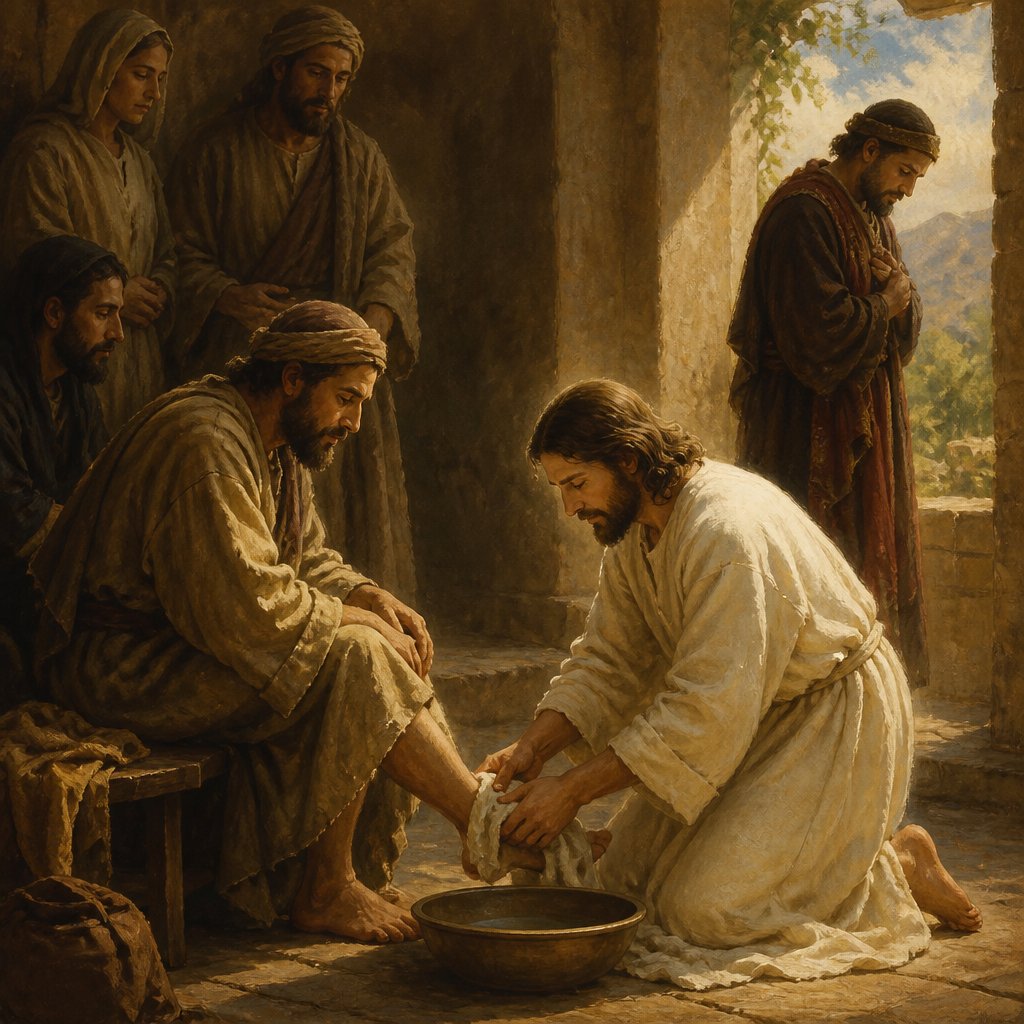
In a world that often equates greatness with power, influence, and prestige, the words of Jesus in Matthew 23:11-12 pose a radical challenge to our understanding of true greatness. "But he that is greatest among you shall be your servant. And whosoever shall exalt himself shall be abased; and he that shall humble himself shall be exalted." This paradoxical statement goes against the grain of human nature and societal norms, revealing the heart of Jesus' teachings on leadership, humility, and service.
Jesus spoke these words during a time when the religious leaders of the day craved recognition and status. The Pharisees and scribes were known for their outward displays of piety, seeking to be seen and honored by men. They wore their títulos like badges of honor, and their positions were often accompanied by complacency rather than compassion. In stark contrast, Jesus redefined greatness not as a position to be attained but a posture to be adopted.
To understand the full weight of Jesus' statement, we must first grasp what it means to be a servant. Serving isn't merely a task, but a way of life that embodies love, humility, and selflessness. Jesus Himself provided the ultimate example of this. In John 13, we see Christ washing His disciples' feet—an act reserved for the lowliest of servants. By doing so, He illustrated that leadership in His kingdom is characterized not by lording over others, but by lowering oneself to serve those around us.
In today's culture, we often hear the adage, "climb the ladder of success," which typically implies seeking personal gain. Yet, Jesus' teaching flips this ideology upside down. The true path to exaltation lies not in self-promotion, but in self-forgetfulness. "And whosoever shall exalt himself shall be abased; and he that shall humble himself shall be exalted." Here we see a divine principle: while we might chase after glory and accolade, it is humility that ultimately leads us to a place of honor in God's eyes.
The word "humble" comes from the Latin root "humus,” meaning earth or ground. To be humble is to be grounded, recognizing our limitations and our dependence on God. It is acknowledged in 1 Peter 5:6, which encourages us to "Humble yourselves therefore under the mighty hand of God, that he may exalt you in due time." This further clarifies that any elevation we receive is not self-driven but orchestrated by God Himself.
Contrarily, when we seek to exalt ourselves, we often find that this pursuit leads to disillusionment and ultimately falling short of the expectations we placed upon ourselves. The Kingdom of Heaven operates on generosity, grace, and truth, where the humble are lifted up, and the proud find themselves cast down. This is not just a spiritual principle but a practical truth observable in our everyday lives.
As followers of Christ, we are called to embody this counter-cultural standard. In our workplaces, communities, and homes, we have the opportunity to serve rather than seek to be served. Each act of kindness, each disposition to encourage others, or moments of self-sacrifice reflect the heart of Jesus and establish our identity as servants of the Most High.
Ultimately, it is in the throes of humility and service that we discover the greatest fulfillment and purpose. As we lay down our lives for others, we may find ourselves experiencing the exaltation that comes from our Heavenly Father. The kingdom of God is built on the foundation of servant-hearted leadership, where the least is made great in the eyes of God.
In conclusion, let us embrace the truth that true greatness comes not through self-exaltation but through humility and service. Let us take a moment today to examine our hearts. Are we trying to climb the social ladders, or are we intentionally seeking to serve those around us? May our lives reflect the humility of Christ, allowing us to discover the profound beauty of being servants in His kingdom.
Want to reflect more on Matthew 23:11-12?
Continue your spiritual journey with Bible Chat — an AI-powered tool for exploring God's Word through conversation. Ask questions, discover connections, and deepen your understanding.
Get Our Apps


Matthew 23:11-12 Artwork

Matthew 23:11-12 - "But the greatest among you shall be your servant. Whoever exalts himself shall be humbled; and whoever humbles himself shall be exalted."
"But the greatest among you shall be your servant. Whoever exalts himself shall be humbled; and whoever humbles himself shall be exalted." - Matthew 23:11-12

Matthew 23:12

Matthew 23:12

Matthew 3:11-12

Matthew 3:11-12

Matthew 12:23 - "And all the people were amazed, and said, Is not this the son of David?"

Matthew 23:11 - "But he that is greatest among you shall be your servant."

Matthew 23:12 - "And whosoever shall exalt himself shall be abased; and he that shall humble himself shall be exalted."
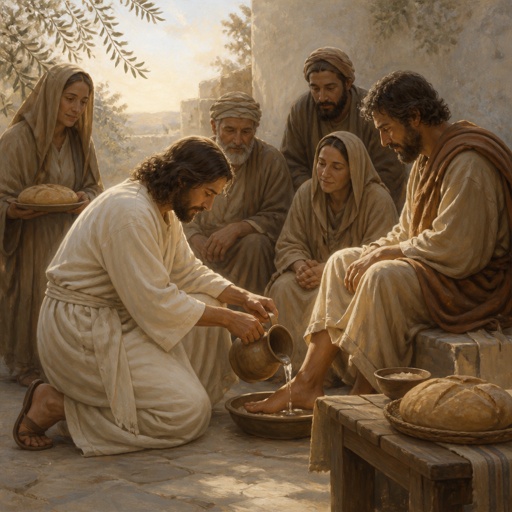
"But he that is greatest among you shall be your servant." - Matthew 23:11

Genesis 1:2 3

"And all the people were amazed, and said, Is not this the son of David?" - Matthew 12:23

Matthew 11:12 - "And from the days of John the Baptist until now the kingdom of heaven suffereth violence, and the violent take it by force."

Matthew 6:23

"And whosoever shall exalt himself shall be abased; and he that shall humble himself shall be exalted." - Matthew 23:12
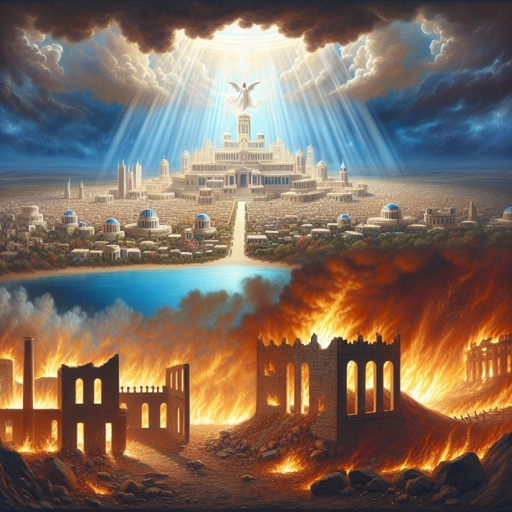
Matthew 11:23 - "And thou, Capernaum, which art exalted unto heaven, shalt be brought down to hell: for if the mighty works, which have been done in thee, had been done in Sodom, it would have remained until this day."
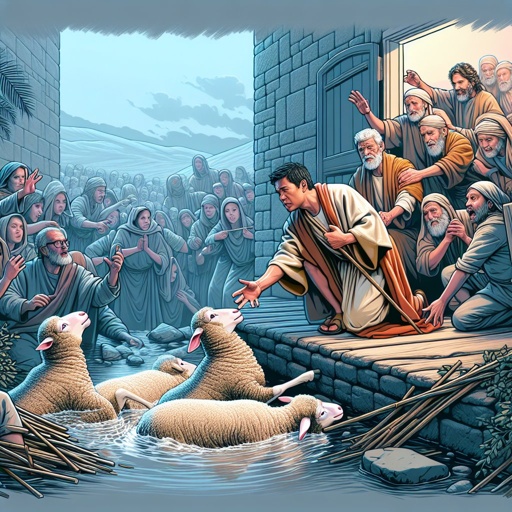
Matthew 12:11 - "And he said unto them, What man shall there be among you, that shall have one sheep, and if it fall into a pit on the sabbath day, will he not lay hold on it, and lift it out?"
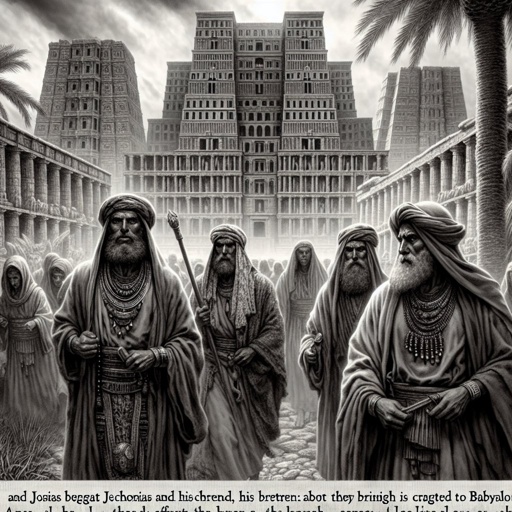
Matthew 1:11-12 - "And Josias begat Jechonias and his brethren, about the time they were carried away to Babylon: And after they were brought to Babylon, Jechonias begat Salathiel; and Salathiel begat Zorobabel."

Matthew 25:23

Matthew 2:23

Matthew 15:23

Matthew 2:23

Matthew 23:28

Matthew 2:23

Matthew 25:23

matthew 7:23

MATTHEW 28: 23

Matthew 2:23

Matthew 15:23

Matthew 23:28