Render Unto Caesar: Balancing Earthly Duties and Heavenly Devotions
"They say unto him, Caesar's. Then saith he unto them, Render therefore unto Caesar the things which are Caesar's; and unto God the things that are God's." - Matthew 22:21
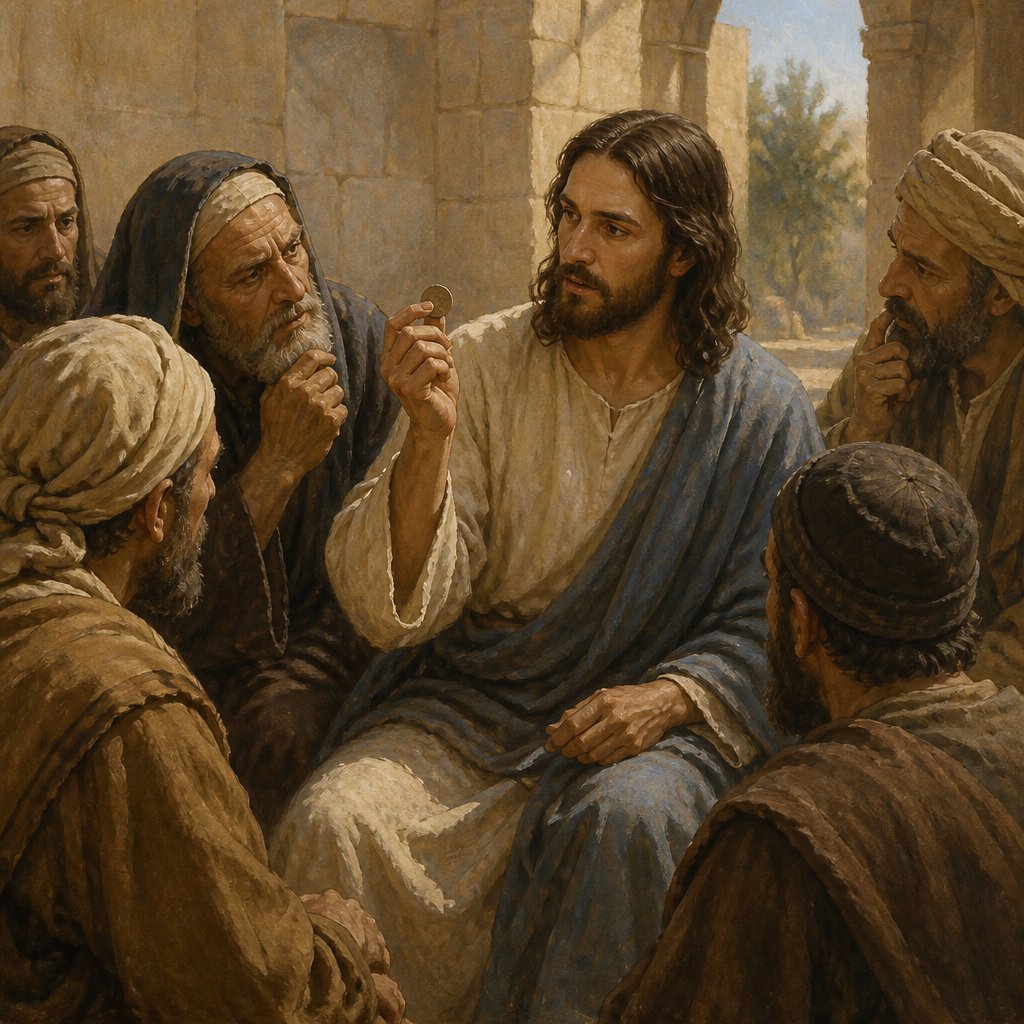
In Matthew 22:21, we encounter a profound teaching from Jesus that has resonated through the ages: "They say unto him, Caesar's. Then saith he unto them, Render therefore unto Caesar the things which are Caesar's; and unto God the things that are God's." This passage unfolds against the backdrop of a tense confrontation between Jesus and the religious leaders of His time, who sought to trap Him with questions about loyalty to the Roman authorities. Their inquiry was not merely about taxes; it was a matter of faith, identity, and allegiance.
At first glance, it appears that Jesus is making a straightforward political statement about the separation of earthly obligations and divine duties. However, upon deeper reflection, this verse compels us to examine the complexities of our own lives concerning our commitments and allegiances. In essence, Jesus presents a duality that exists within each of us as we navigate our day-to-day responsibilities while striving to remain faithful to our spiritual commitments.
The context of this scripture highlights the oppressive nature of Roman rule over the Jews while presenting the Son of God amidst those tensions. The Pharisees and Herodians, groups with polar opposite views regarding the Roman Empire, came together in a rare display of unity aimed at discrediting Jesus. They posed the question about paying taxes to Caesar, presuming to force Him into a dilemma where He would alienate one faction or the other. But Jesus, in His divine wisdom, does not fall into their trap. Instead, He shifts the focus away from the politics of the moment to a higher truth.
By stating, "Render therefore unto Caesar the things which are Caesar's," Jesus acknowledges the legitimacy of governmental authority and our responsibility as citizens therein. Just as coins imprinted with Caesar's image belong to him, so too do our earthly duties, such as paying taxes and obeying laws, hold a place in our lives. As believers living in a civic society, we are called to honor these responsibilities. This reflects our witness of integrity in a world that often finds honor and ethics lacking.
Yet Jesus counters this with the second part of His statement: "and unto God the things that are God's." Here lies the crux of His teaching. While we have obligations to the state, our primary allegiance belongs to God. This duality urges us to evaluate what we are rendering unto God, the Creator and Owner of everything in existence. In Genesis 1:27, we learn that we are made in the image of God. Just as His image is stamped on us, so it compels us to give our lives back to Him in the forms of worship, obedience, and active faith.
This means our time, talents, and treasures should be aligned with God's will. We are to render to Him our lives as living sacrifices, as Paul wrote in Romans 12:1, considering that everything we have is ultimately a gift from Him. Therefore, our energies cannot be consumed solely by our earthly duties—we must carve out time for prayer, meditation on Scripture, community service, and sharing His love with others.
As we ponder this verse, let us ask ourselves: Are we effectively balancing our obligations to the government alongside our spiritual commitments? Do we live as good citizens, honoring the laws of the land while simultaneously prioritizing our relationship with God? The challenge is to ensure that our earthly responsibilities do not overshadow our divine call. We are not simply to be law-abiding citizens but also passionate disciples, motivated by love and grace.
In the end, Jesus encapsulates a profound truth in the balance of these two realms. As we go about our daily lives, let's remain vigilant, ensuring that in all things—whether they pertain to Caesar or God—we reflect the glory and love of Christ. May we regularly examine what we are rendering unto Caesar and, more importantly, what we are rendering unto God, with the assurance that He is worthy of both our time and our hearts.
Want to reflect more on Matthew 22:21?
Continue your spiritual journey with Bible Chat — an AI-powered tool for exploring God's Word through conversation. Ask questions, discover connections, and deepen your understanding.
Get Our Apps


Matthew 22:21 Artwork

Matthew 22:21 - "They say unto him, Caesar's. Then saith he unto them, Render therefore unto Caesar the things which are Caesar's; and unto God the things that are God's."
"They say unto him, Caesar's. Then saith he unto them, Render therefore unto Caesar the things which are Caesar's; and unto God the things that are God's." - Matthew 22:21

Matthew 9:21-22

Matthew 9:21-22

Matthew 9:21-22

Matthew 9:21-22

Matthew 9:21-22

Matthew 21:22 - "And all things, whatsoever ye shall ask in prayer, believing, ye shall receive."

"And all things, whatsoever ye shall ask in prayer, believing, ye shall receive." - Matthew 21:22
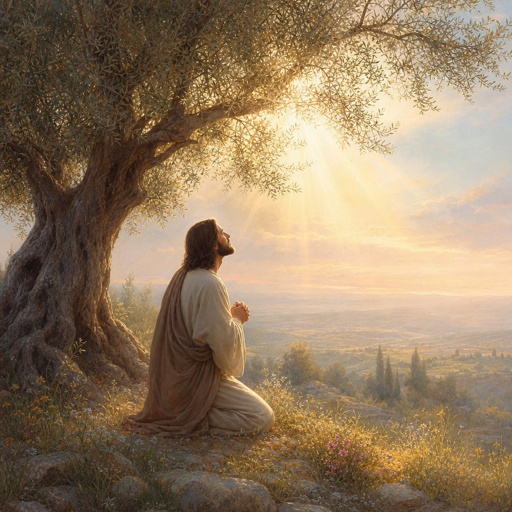
"And all things, whatsoever ye shall ask in prayer, believing, ye shall receive." - Matthew 21:22

Matthew 10:21-22 - "Brother will betray brother to death, and a father his child; children will rebel against their parents and have them put to death. You will be hated by everyone because of me, but the one who stands firm to the end will be saved."

Matthew 18:21-22 - "Then Peter came to Jesus and asked, “Lord, how many times shall I forgive my brother or sister who sins against me? Up to seven times?” Jesus answered, “I tell you, not seven times, but seventy-seven times."

Matthew 9:21

Matthew 21

Matthew 22:22 - "When they had heard these words, they marvelled, and left him, and went their way."

Matthew 6:22

Matthew 6:22

Matthew 25:21

Matthew 25:21

Matthew 6:22

Matthew 21:31

Matthew 21:25

Matthew 2:21

Matthew 5:21-22 - "You have heard that it was said to those of old, 'You shall not murder; and whoever murders will be liable to judgment.' But I say to you that everyone who is angry with his brother will be liable to judgment; whoever insults his brother will be liable to the council; and whoever says, 'You fool!' will be liable to the hell of fire."

Genesis 21:22

Genesis 22-21

Matthew 22:38 - "This is the first and great commandment."

Matthew 14:22-33

Matthew 21:1-11

Matthew 14:13-21