The King of Meekness: Lessons from the Triumphal Entry
"Tell ye the daughter of Sion, Behold, thy King cometh unto thee, meek, and sitting upon an ass, and a colt the foal of an ass." - Matthew 21:5
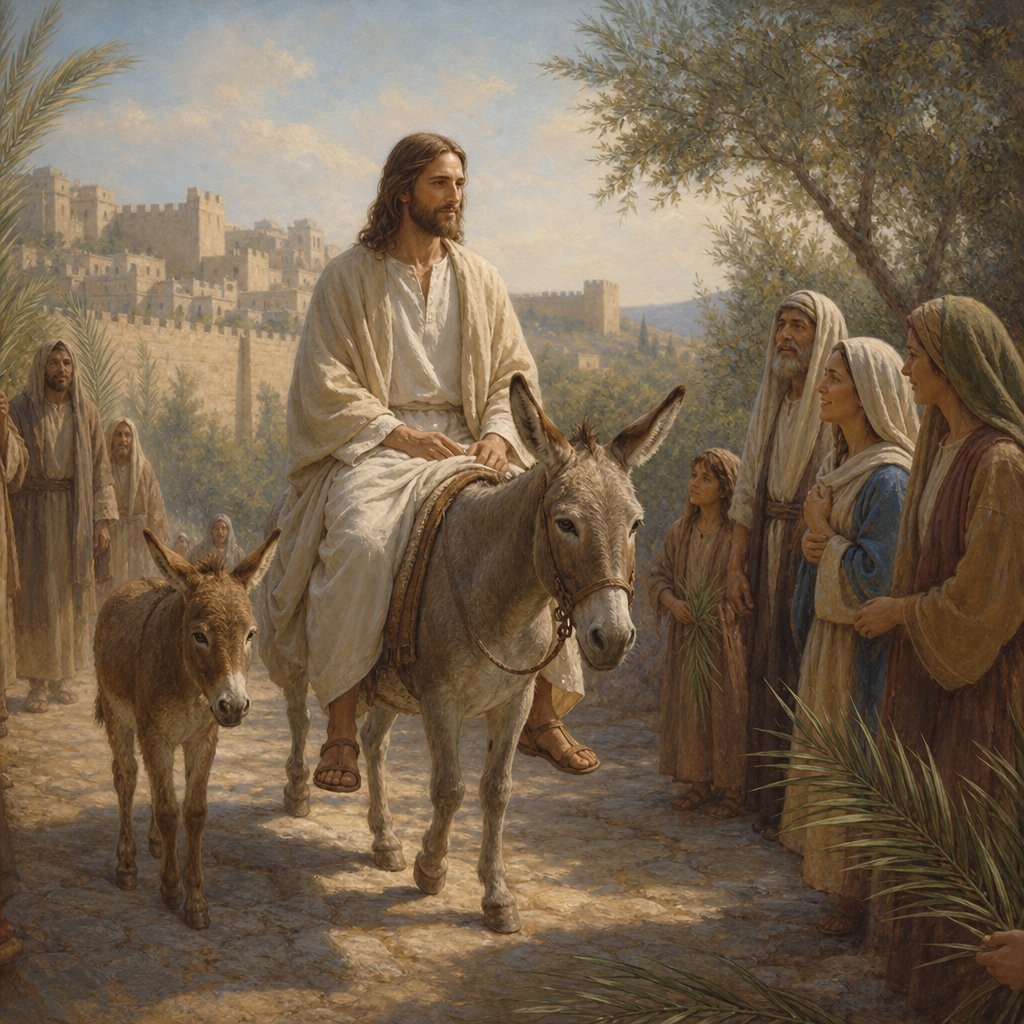
As we delve into Matthew 21:5, we encounter a powerful proclamation: "Tell ye the daughter of Sion, Behold, thy King cometh unto thee, meek, and sitting upon an ass, and a colt the foal of an ass." This verse marks a significant moment in Christian history—the triumphant entry of Jesus into Jerusalem. However, it is not the image of triumph we might typically envision. Instead, it presents a paradox of royalty shrouded in humility, a theme that runs deep through the life and mission of Jesus.
In the ancient world, kings and conquerors rode horses as a sign of strength and power. Upon entering a city on a majestic steed, they communicated their authority and dominance. Conversely, in a radical departure from this norm, Jesus humbly enters Jerusalem riding on a donkey, accompanied by a colt. This chosen mode of transportation is a deliberate statement. It signals to the people and the world that His kingdom is not about political might or military prowess; instead, it represents a different kind of leadership rooted in meekness and servanthood.
The prophecy referenced in this passage finds its roots in Zechariah 9:9, which foretells the arrival of a king who would come in humility, not to instill fear, but to offer peace. The very essence of what it means to be king, and the authority of His kingdom, is reframed here. Jesus is the King of a different order—one who offers salvation and grace rather than oppression and control. The crowds who awaited Him, many yearning for a liberator from Roman rule, saw their chance to acclaim a king. Yet, the recognition Jesus sought was deeper than political allegiance; it was an invitation to recognize the eternal reign of God within their hearts.
The word "meek" in this context is pivotal. In our modern understanding, meekness may appear synonymous with weakness; however, true meekness is strength under control. It embodies gentleness and self-restraint, qualities that reflect the character of Christ. In a culture often driven by aggression and assertiveness, Christ challenges us to embrace humility and patience. He demonstrates that the way to authority lies not in asserting dominance but in serving others. This flips the notion of leadership on its head and beckons us to follow His example.
Moreover, the response of the people is a reflection of their expectations. As they spread their garments and waved palm branches, they were acknowledging Him as king, yet their understanding was limited. They were looking for an immediate savior from their circumstances rather than recognizing the ultimate salvation He offered—a means to eternal life, a relationship restored with God. Their cry of "Hosanna!" echoed a desire for deliverance from oppression, yet it also gripped Him with their need for spiritual redemption.
As believers, it’s essential to examine our hearts and understand what kind of King we are welcoming into our lives. Are we seeking Jesus for who He truly is, or are we clinging to our preconceived notions? In times of struggle or uncertainty, do we remember that He comes to us, not in force, but in quiet meekness? As we reflect on this, let us be reminded that His approach compels us to extend grace to those around us, fostering environments where love and humility reign.
In this season of contemplation, let us embrace the paradox of our King. His meekness is not weakness; it's a profound declaration of love that challenges us to reflect that same love to others. May we find our assurance not in worldly power but in the gentle reign of Christ, who comes to us, caring for our every need, inviting us into the fullness of His kingdom. As we hear His call, may we answer with open hearts, ready to follow the King who comes in meekness.
Want to reflect more on Matthew 21:5?
Continue your spiritual journey with Bible Chat — an AI-powered tool for exploring God's Word through conversation. Ask questions, discover connections, and deepen your understanding.
Get Our Apps


Matthew 21:5 Artwork

Matthew 21:5 - "Tell ye the daughter of Sion, Behold, thy King cometh unto thee, meek, and sitting upon an ass, and a colt the foal of an ass."

"Tell ye the daughter of Sion, Behold, thy King cometh unto thee, meek, and sitting upon an ass, and a colt the foal of an ass." - Matthew 21:5
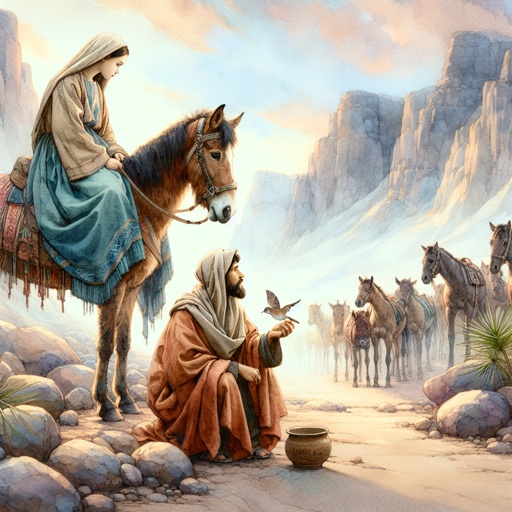
Matthew 21:5 Tell ye the daughter of Sion, Behold, thy King cometh unto thee, meek, and sitting upon an ass, and a colt the foal of an ass.
"Tell ye the daughter of Sion, Behold, thy King cometh unto thee, meek, and sitting upon an ass, and a colt the foal of an ass." - Matthew 21:5
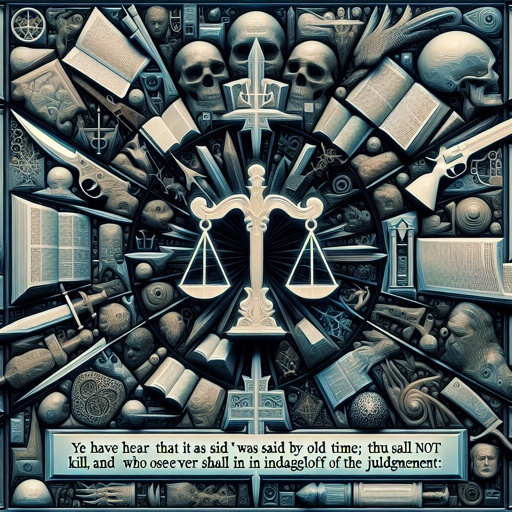
Matthew 5:21 - "¶ Ye have heard that it was said by them of old time, Thou shalt not kill; and whosoever shall kill shall be in danger of the judgment:"

Matthew 9:21

Matthew 9:21-22

Matthew 21

Matthew 9:21-22

Matthew 9:21-22

Matthew 9:21-22

Matthew 9:21-22

Matthew 25:21

Matthew 25:21

Matthew 21:31

Matthew 21:25

Matthew 2:21

Matthew 21:1-11

Matthew 14:13-21

Matthew 5:5 - "Blessed are the meek: for they shall inherit the earth."

Matthew 5:44

Matthew 5:44

Matthew 17:14-21

Matthew 5

Matthew 5

Matthew 5:44

Matthew 5:44

Matthew 21:21 Philippians 4:6-7 Ephesians 6:10-18 Put the words on the photo

Matthew 5

Matthew 12:21 - "And in his name shall the Gentiles trust."