The Displeasure of the Religious Elite: A Lesson from Matthew 21:15
"And when the chief priests and scribes saw the wonderful things that he did, and the children crying in the temple, and saying, Hosanna to the Son of David; they were sore displeased," - Matthew 21:15
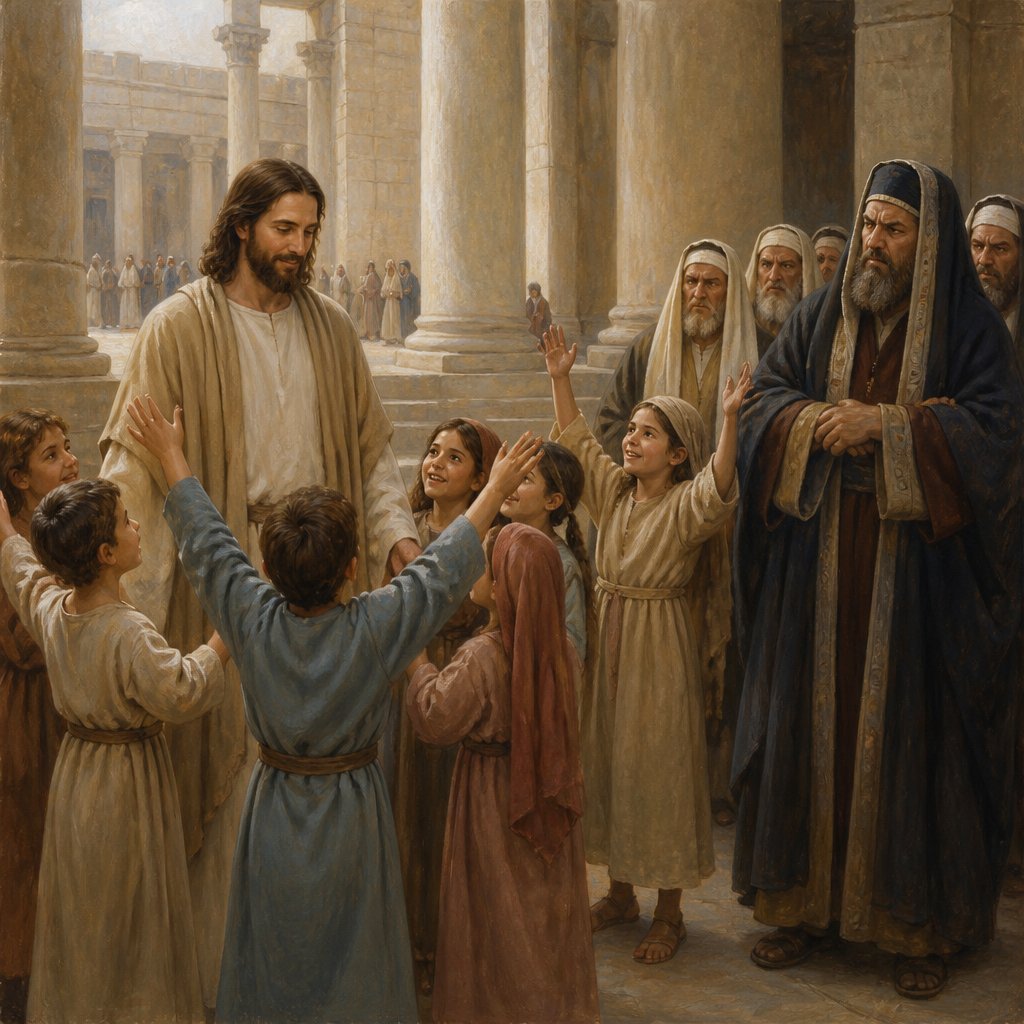
In the bustling heart of Jerusalem, the Temple stood as a beacon of holiness, a place where God's presence was believed to dwell among His people. It was a sacred space, a center of worship, prayer, and the presentation of sacrifices. However, on that momentous day recorded in Matthew 21, we witness a significant clash—not merely of personalities but of paradigms. As the scene unfolds, the Temple reverberates with cries of joy from children who, in their innocent exuberance, proclaim, "Hosanna to the Son of David." This profound moment draws a sharp contrast between the revelatory work of Christ and the discontent of those who should have welcomed Him.
The passage states, "And when the chief priests and scribes saw the wonderful things that he did, and the children crying in the temple, and saying, Hosanna to the Son of David; they were sore displeased" (Matthew 21:15, KJV). Here, we see the chief priests and scribes, the guardians of the Jewish faith and tradition, observing Jesus' miraculous works and hearing the enthusiastic praises of the innocent children. Instead of celebrating the divine manifestations of God’s grace and power, they felt 'sore displeased'—a phrase that encapsulates deep indignation and resentment.
This displeasure illustrates a pivotal theme in the Gospel—the challenge Jesus brings to the established religious order. The Temple, intended to be a space where the Messiah would be received, instead becomes a site of conflict. The children’s shouts resonate with prophetic truth, calling Jesus the Messiah ('Son of David'), a title steeped in the expectation of Davidic kingship and divine intervention. Yet, the very ones responsible for leading worship, the priests and scribes, fail to recognize the fulfillment of their own Scriptures in the person of Christ. Their authority and traditions blind them to the miraculous unfolding right before their eyes.
In reflecting upon this passage, we might ask ourselves: what causes spiritual leaders or any of us to miss the movement of the Holy Spirit? It can often stem from pride, fear, or a rigid adherence to tradition that eclipses our ability to perceive the new things God is doing. The priests and scribes were educators and interpreters of the law. They held positions that were meant to point the way to God, yet their response to the transformative work of Christ illustrates how familiarity can breed contempt. Sometimes, we can be so entrenched in our ways that we dismiss the new songs that God is singing in our lives and communities.
Consider the reaction of the children—their voices were untainted by these complexities. Their praise was pure and authentic, drawing attention to the true nature of Jesus as Savior. It is in the simplicity of a child’s faith that we often find the purest form of worship, unencumbered by the barriers that adults erect. The juxtaposition of the cold response of the religious elite versus the vibrant worship of the children speaks volumes about the heart of God—a heart that delights in genuine praise and worship, regardless of the vessel.
Furthermore, this passage challenges us to examine our own hearts in the light of our responses to God’s actions in the world around us. Are we, like the scribes and priests, defensive and critical when confronted with something new? Are we fostering environments of worship where the unbridled joy of children can be nurtured?
In conclusion, Matthew 21:15 serves as a reminder to remain open to the workings of the Holy Spirit and to recognize the praise of those whose faith is untainted by the cynicism that often accompanies religious structures. Let us strive to embrace the simple, joyful cries of worship, allowing them to guide us to deeper understandings of Christ. May we continually seek to be receptive to God's movement among us, ensuring that, like the children, we keep our hearts tender and alive to His wonderful works.
Want to reflect more on Matthew 21:15?
Continue your spiritual journey with Bible Chat — an AI-powered tool for exploring God's Word through conversation. Ask questions, discover connections, and deepen your understanding.
Get Our Apps


Matthew 21:15 Artwork

Matthew 21:15 - "And when the chief priests and scribes saw the wonderful things that he did, and the children crying in the temple, and saying, Hosanna to the Son of David; they were sore displeased,"

Matthew 21:15-16 - "But when the chief priests and the scribes saw the wonderful things that he did, and the children crying out in the temple, “Hosanna to the Son of David!” they were indignant, and they said to him, “Do you hear what these are saying?” And Jesus said to them, “Yes; have you never read, ‘Out of the mouth of infants and nursing babies you have prepared praise’?”"
"And when the chief priests and scribes saw the wonderful things that he did, and the children crying in the temple, and saying, Hosanna to the Son of David; they were sore displeased," - Matthew 21:15
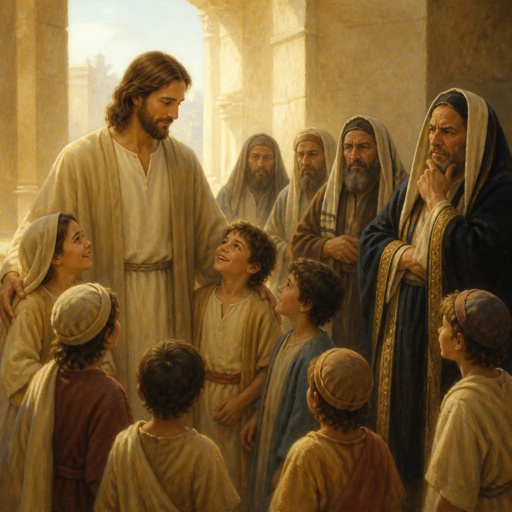
"But when the chief priests and the scribes saw the wonderful things that he did, and the children crying out in the temple, “Hosanna to the Son of David!” they were indignant, and they said to him, “Do you hear what these are saying?” And Jesus said to them, “Yes; have you never read, ‘Out of the mouth of infants and nursing babies you have prepared praise’?”" - Matthew 21:15-16

Matthew 15:21 - "¶ Then Jesus went thence, and departed into the coasts of Tyre and Sidon."
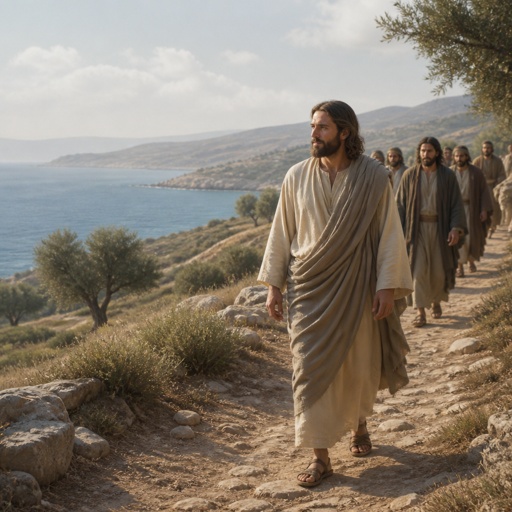
"¶ Then Jesus went thence, and departed into the coasts of Tyre and Sidon." - Matthew 15:21

matthew 15 matthew 15:10

Matthew 9:21

Matthew 9:21-22

Matthew 21

Matthew 9:21-22

Matthew 9:21-22

Matthew 9:21-22

Matthew 9:21-22

Matthew 25:21

Matthew 25:21

Matthew 21:31

Matthew 21:25

Matthew 2:21

Matthew 21:1-11

Matthew 14:13-21

Matthew 26:15

Matthew 26:15

Matthew 15:23

Matthew 24:15

Matthew 15:15 - "Then answered Peter and said unto him, Declare unto us this parable."

Matthew 5:15

Matthew 15:23

Matthew 5:15

Matthew 17:14-21