The Sanctity of God’s House: Restoring True Worship
"And said unto them, It is written, My house shall be called the house of prayer; but ye have made it a den of thieves." - Matthew 21:13
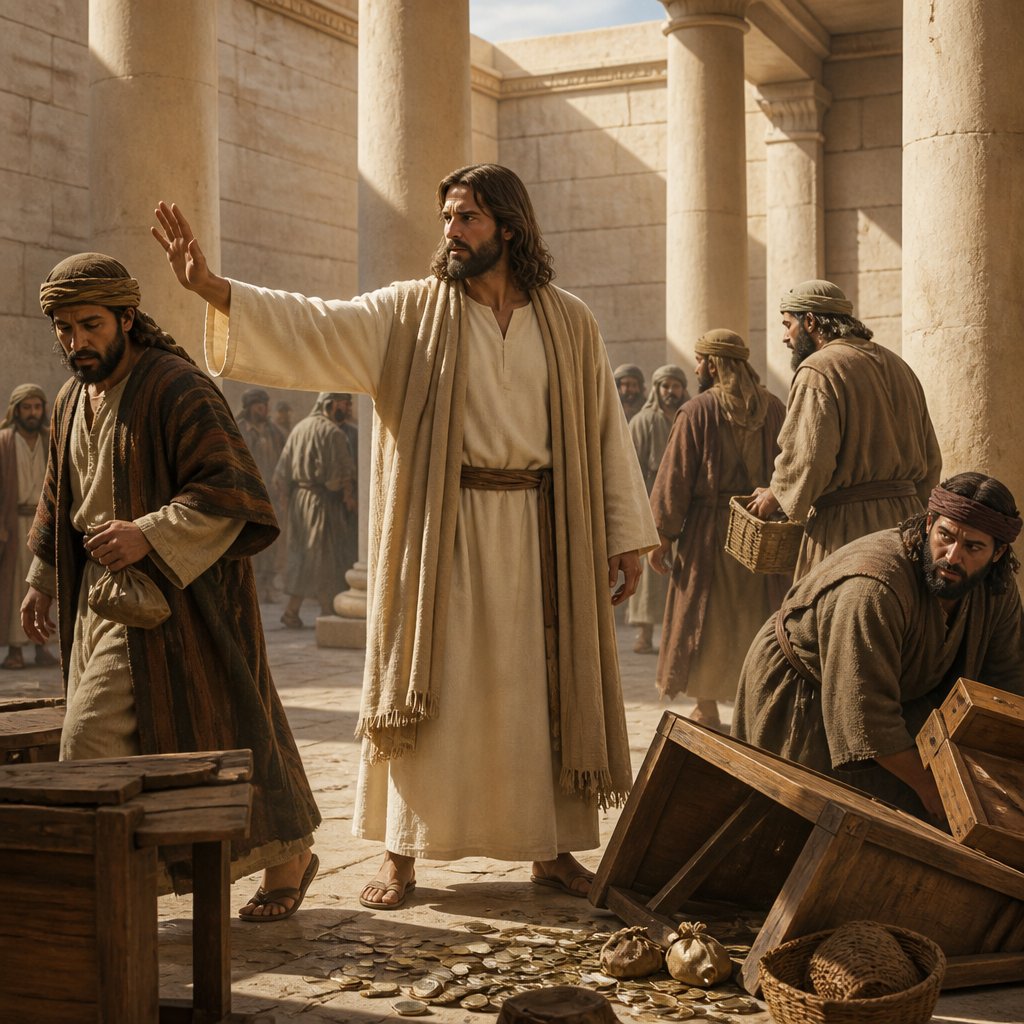
In Matthew 21:13, Jesus passionately declares, "And said unto them, It is written, My house shall be called the house of prayer; but ye have made it a den of thieves." This powerful statement was made in the context of Jesus cleansing the temple, a moment rich with meaning and implications for believers today.
As we delve into this verse, particularly in the KJV, we find layers of meaning that challenge our understanding of worship and community within the church. When Jesus refers to the temple as "My house," He is not only affirming the sanctity of the place but also His divine authority over it. In the Old Testament, the temple was indeed a sacred place where God's presence dwelled. It was intended to be a site of prayer, reverence, and a place where individuals could encounter the living God.
However, by declaring that the temple had become a "den of thieves," Jesus highlights a tragic transformation. The temple, instead of being a sanctuary of prayer, had devolved into a marketplace where financial transactions overshadowed spiritual connection. The merchants and money changers were exploiting the faithful, turning sacred worship into a commercial activity. What was meant to be a holy encounter with God was tainted by greed and corruption.
This scene invites us to reflect on how we approach worship in our own lives and our local churches. Are there aspects of our worship that have become transactional rather than relational? Just as Christ was zealous for the purity of His Father’s house, we too ought to cultivate a fervent desire for genuine worship in our hearts and our gatherings.
The term "house of prayer" encapsulates what God desires from His people. It signifies a place of intimacy, where believers gather not merely to observe rituals but to commune with God. Prayer is fundamentally about relationship: it is conversation with our Creator, sharing our hearts and listening to His. In light of this, we might ask ourselves: Is prayer at the forefront of our church activities? Do our services reflect a sincere commitment to seeking God’s presence and guidance? Or have we become caught up in the busyness of church activity, losing sight of our primary purpose?
Moreover, Jesus' strong words call for a personal examination of our own hearts. Have we, in ways subtle or overt, allowed distractions to seep into our spiritual lives? Are there practices or attitudes that might turn our focus from God to self, from worship to performance? It is easy to fall into the trap of prioritizing the wrong things, much like the merchants in the temple. We must continually ask God to cleanse us of any motivations that would divert us from genuine worship, submitting our hearts to Him in repentance and humility.
Furthermore, the broader message of Jesus’ actions in the temple is that God desires to restore His house to its intended purpose. This is a reminder that, regardless of the state we find ourselves in—whether church or individual worship—there is always hope for redemption. Just as Jesus took the initiative to purify the temple, He is in the business of renewing and reviving hearts today.
As we reflect on Matthew 21:13, let us seek to honor God’s house as a true house of prayer and a shelter for all who seek Him. Let us pray for authenticity in our worship and a heart of service that mirrors Christ’s own. Genuinely inviting the Holy Spirit into our gatherings can create an atmosphere where lives are transformed and communities are renewed. In doing this, we partner with God in restoring the sanctity of His house, ensuring that it remains a beacon of hope, healing, and genuine connection with Him.
Ultimately, let us heed the words of Christ and allow them to provoke change in us, reaffirming that we too are called to be a 'house of prayer' amidst a world desperately in need of His presence.
Want to reflect more on Matthew 21:13?
Continue your spiritual journey with Bible Chat — an AI-powered tool for exploring God's Word through conversation. Ask questions, discover connections, and deepen your understanding.
Get Our Apps


Matthew 21:13 Artwork

Matthew 21:13 - "And said unto them, It is written, My house shall be called the house of prayer; but ye have made it a den of thieves."
"And said unto them, It is written, My house shall be called the house of prayer; but ye have made it a den of thieves." - Matthew 21:13

Matthew 14:13-21

Habakkuk 2:1-3

Matthew 13:21 - "Yet hath he not root in himself, but dureth for a while: for when tribulation or persecution ariseth because of the word, by and by he is offended."

Matthew 21:12–13 corrupted churches, deceived people, churches making money

Matthew 9:21

Matthew 9:21-22

Matthew 21

Matthew 9:21-22

Matthew 9:21-22

Matthew 9:21-22

Matthew 9:21-22

Matthew 25:21

Matthew 25:21

Matthew 13

Matthew 21:31

Matthew 21:25

Matthew 2:21

Matthew 8:13

Matthew 8:13

Matthew 8:13

Matthew 13

"Yet hath he not root in himself, but dureth for a while: for when tribulation or persecution ariseth because of the word, by and by he is offended." - Matthew 13:21

Matthew 21:1-11

Matthew 7:13-14

Matthew 7:13-14

Matthew 7:13-14

Matthew 7:13-14

Matthew 7:13-14