The Generational Legacy: Unfolding God’s Promise
"And Zorobabel begat Abiud; and Abiud begat Eliakim; and Eliakim begat Azor;" - Matthew 1:13
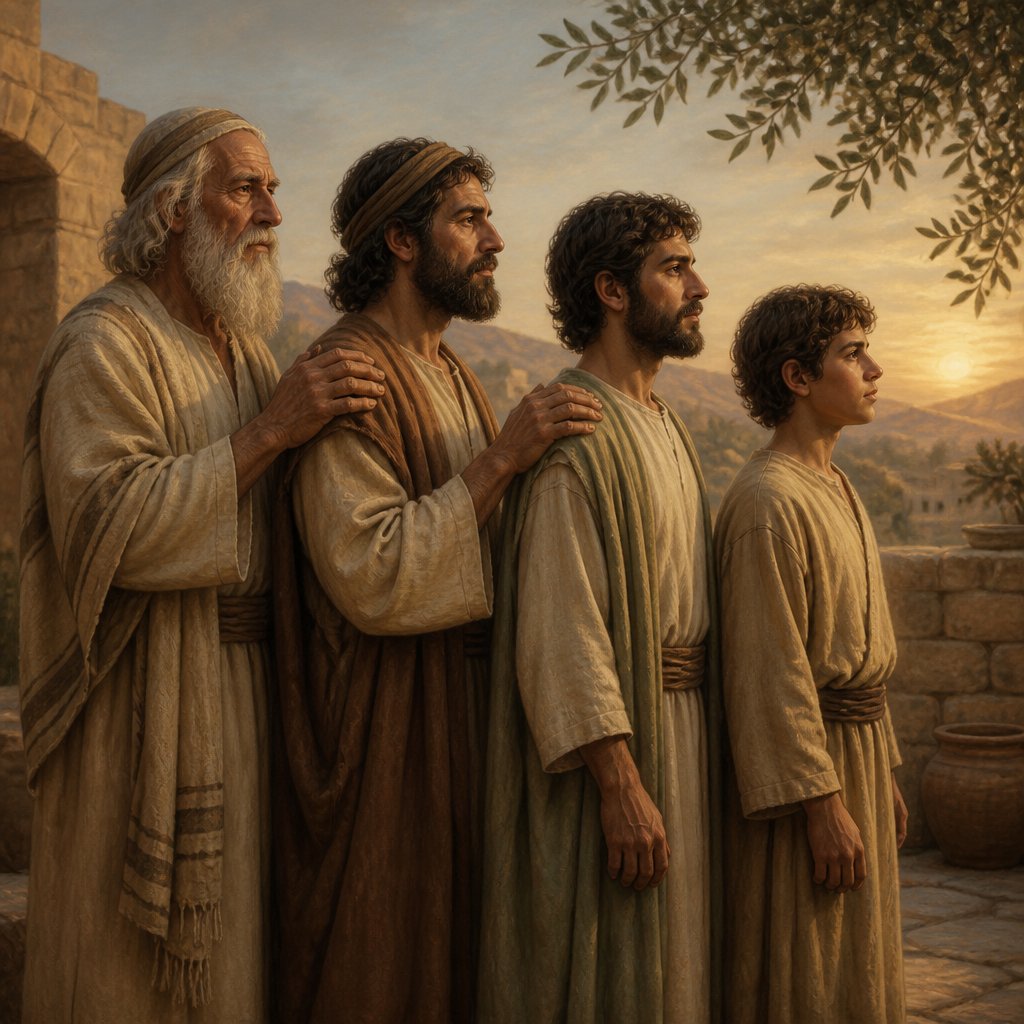
In the genealogical account of Jesus Christ, laid out in the first chapter of Matthew, we encounter a profound truth hidden amidst a long list of names. Matthew 1:13 states, "And Zorobabel begat Abiud; and Abiud begat Eliakim; and Eliakim begat Azor." At first glance, this excerpt from the King James Version may seem dry and mundane, but as we dig deeper, it reveals rich insights about generations, God’s faithfulness, and the legacy we each contribute to His grand narrative.
The biblical genealogy is not merely a record of lineage; it serves as a testament to God's unwavering promise and plan for humanity. Zorobabel, who was a descendant of the royal lineage of David, played a crucial role in the rebuilding of Jerusalem after the Babylonian exile. His name means "sown in Babylon," indicating that despite being in a foreign land, God's plan was still active, cultivating a new beginning.
As we reflect on Zorobabel’s life, we are reminded that God often works in the waiting periods of our lives. Zorobabel led the people in a time when their hopes were dashed, yet they were slowly being restored. It is in these seemingly mundane moments that God is orchestrating His purpose, teaching us patience and resilience. It prompts us to ask ourselves: what seeds are we planting in the lives of those around us?
Following Zorobabel, we read about Abiud, whose name comes from "Father of praise." There’s a powerful transition in the lineage from Zorobabel to Abiud, signifying a legacy of worship and honor towards God. This serves as an instructive call to us as believers. How do we honor God in our daily lives? Are we fostering an atmosphere of praise in our families and communities? Each generation is given the opportunity to elevate worship in response to God’s unfailing kindness.
Next is Eliakim, whose name means "God will raise up." This name signifies hope and renewal. What wonderful reassurance for those feeling weary or downtrodden! Is there a situation in your life where you feel that all hope is lost? Take heart: God is the God who raises us up from our darkest moments. Eliakim’s inclusion in the genealogy of Jesus not only reflects God’s faithfulness in raising leaders and areas of spiritual significance but also points to the importance of faithfulness in our walk.
Finally, we read about Azor. His name signifies "helper" or "to aid," thus encapsulating the purpose of community in God’s design. Each name preceding Azor portrays a dynamic relationship between individuals and God, whose story threads through their lives ultimately reveal Christ. We, too, are called to be helpers—supporting one another, encouraging growth, and fostering togetherness.
As we meditate on Matthew 1:13, let us remember that our lives are a part of a larger tapestry woven by God. Each day offers the chance to leave a legacy for future generations. Our actions, our worship, our hope, and our support have the power to shape the faith of those who come after us. Like Zorobabel, Abiud, Eliakim, and Azor, we are in the business of God’s work and the passing down of His promises.
May we live with the awareness that we are part of something greater than ourselves. Let us cultivate our heart for God, encourage others along their journey, and embrace the legacy we are creating. Like the generations captured in these verses, may our lives each bear witness to the faithfulness of God and the fulfillment of His promises in every moment of our existence. Amen.
Want to reflect more on Matthew 1:13?
Continue your spiritual journey with Bible Chat — an AI-powered tool for exploring God's Word through conversation. Ask questions, discover connections, and deepen your understanding.
Get Our Apps


Matthew 1:13 Artwork

Matthew 1:13 - "And Zorobabel begat Abiud; and Abiud begat Eliakim; and Eliakim begat Azor;"
"And Zorobabel begat Abiud; and Abiud begat Eliakim; and Eliakim begat Azor;" - Matthew 1:13

Matthew 1:3 - "And Judas begat Phares and Zara of Thamar; and Phares begat Esrom; and Esrom begat Aram;"

Matthew 13:8

Matthew 13:1 - "The same day went Jesus out of the house, and sat by the sea side."
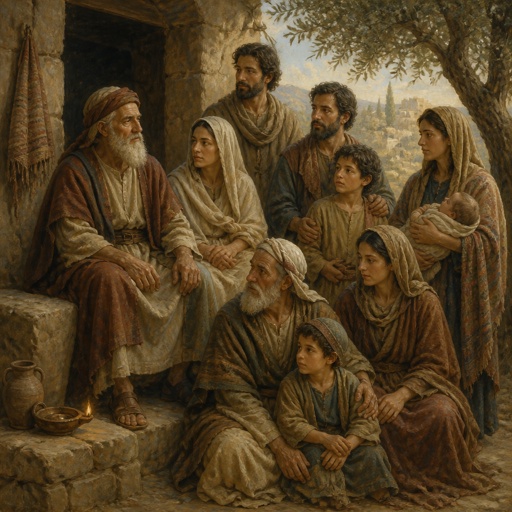
"And Judas begat Phares and Zara of Thamar; and Phares begat Esrom; and Esrom begat Aram;" - Matthew 1:3

Matthew 13

Matthew 8:13

Matthew 8:13

Matthew 8:13

Matthew 13

Matthew 7:13-14

Matthew 7:13-14

Matthew 7:13-14

Matthew 7:13-14

Matthew 7:13-14

Matthew 7:13-14

Matthew 7:13-14

Matthew 7:13-14

Matthew 7:13-14

Matthew 7:13-14

Matthew 7:13-14

Matthew 7:13

Matthew 2:13
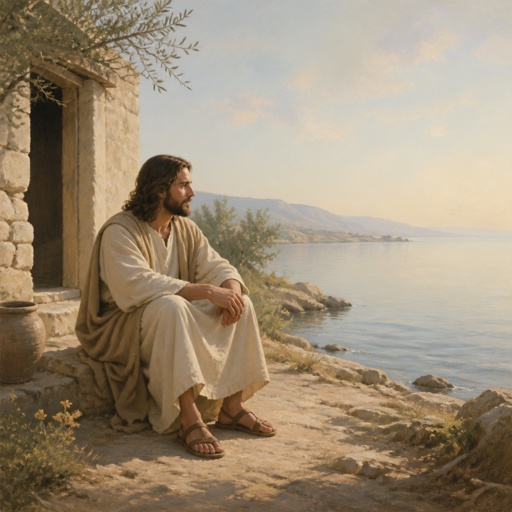
"The same day went Jesus out of the house, and sat by the sea side." - Matthew 13:1

Matthew 6:13

Matthew 2:13

Matthew 19:13

Matthew 7:13-14

Matthew 7:13-14