The Sacred Covenant: Understanding Matthew 19:9
"And I say unto you, Whosoever shall put away his wife, except it be for fornication, and shall marry another, committeth adultery: and whoso marrieth her which is put away doth commit adultery." - Matthew 19:9
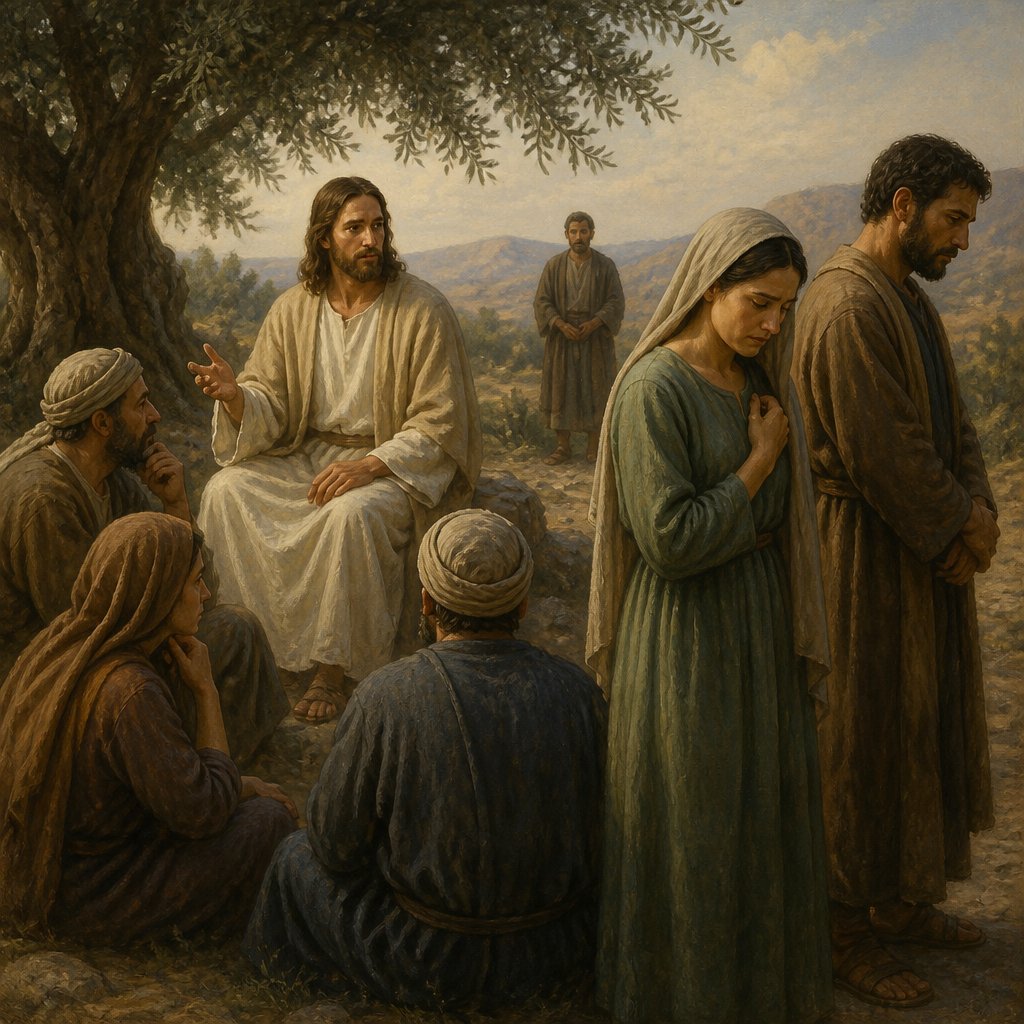
At its heart, Matthew 19:9 contains a deep and sobering truth about the nature of marriage, fidelity, and divine intention. The verse states: "And I say unto you, Whosoever shall put away his wife, except it be for fornication, and shall marry another, committeth adultery: and whoso marrieth her which is put away doth commit adultery" (KJV). This passage, delivered by Jesus during a discourse on the sanctity of marriage, reveals not only His perspective on divorce but also illuminates our understanding of commitment in relationships.
Throughout the scriptures, marriage is upheld as a sacred covenant, designed by God to reflect His unending love and faithfulness toward His people. In Genesis, we read that God created man and woman and ordained that they should become "one flesh" (Genesis 2:24). This unity is meant to symbolize an intimate, enduring bond that encompasses emotional, spiritual, and physical dimensions. It establishes a mutual commitment that mirrors the fidelity God shows to His creations.
However, the reality of human relationships often falls short of this divine ideal. In Matthew 19:9, Jesus addresses the common practice of divorce, which had become prevalent in His day. The Pharisees challenged Him, seeking to justify their own interpretations of the law. Jesus's response not only underscores God’s original design for marriage but also expresses His desire for its protection. The allowance of divorce only in cases of fornication highlights the severity of breaking this covenant; it causes profound emotional and spiritual damage—not just to the individuals involved, but to the fabric of the community itself.
When Jesus speaks of "fornication" as an exception, it’s critical to understand that this includes sexual immorality that betrays the trust and unity established in marriage. Yet, this passage is not merely about the rightness or wrongness of actions; it serves as a testament to the gravity of the marital bond. The implication is clear: God desires faithfulness and integrity in our relationships. He requires us not only to make commitments with our lips but to embody them in our hearts and actions.
This teaching can be challenging to grasp, especially in a world where relationships can often feel disposable. However, it also calls us to reflect on the nature of love as described in 1 Corinthians 13. Love is patient and kind; it is not easily angered and keeps no record of wrongs. This kind of love is rooted in a decision to commit regardless of circumstances or challenges.
Reflecting on Matthew 19:9 prompts us to examine our own lives. Is there a situation where we are less than faithful? Perhaps this applies to our relationships with spouses, family, friends, or even God. Have we allowed trivial disagreements or misunderstandings to drive a wedge in our commitments?
Moreover, the passage is not merely a heavy admonition; it also extends hope and the possibility of renewal. For those who have experienced the heartbreak of divorce, it affirms that through repentance and healing, one can restore their relationship with God. The grace of Christ redeems us from the consequences of our choices. Knowing that our identities and worth are grounded in Him can lead to transformative healing from past mistakes.
Thus, as we meditate on Matthew 19:9, we are called not only to honor our own commitments but also to support and uplift those who might be struggling with their vows. We can extend grace to one another, recognizing that every heart is on a journey and every relationship is dynamic. Let us cultivate an environment that values the sacredness of love, fosters faithfulness, and encourages open dialogue about the complexities of marriage.
In conclusion, Matthew 19:9 challenges us to hold fast to our commitments while being compassionate and understanding towards others. We are reminded that marriage is not just a contract but a covenant, one that reflects the heart of God. As we strive to live out these principles, may we embody the love Christ has for His church, seeking to uplift and honor one another, in all our relationships.
Want to reflect more on Matthew 19:9?
Continue your spiritual journey with Bible Chat — an AI-powered tool for exploring God's Word through conversation. Ask questions, discover connections, and deepen your understanding.
Get Our Apps


Matthew 19:9 Artwork

Matthew 19:9 - "And I say unto you, Whosoever shall put away his wife, except it be for fornication, and shall marry another, committeth adultery: and whoso marrieth her which is put away doth commit adultery."
"And I say unto you, Whosoever shall put away his wife, except it be for fornication, and shall marry another, committeth adultery: and whoso marrieth her which is put away doth commit adultery." - Matthew 19:9

Matthew 9:19 - "And Jesus arose, and followed him, and so did his disciples."

"And Jesus arose, and followed him, and so did his disciples." - Matthew 9:19

matthew 28:19

Matthew 19:26

matthew 28:19

Matthew 19:13

Matthew 19:19 - "Honour thy father and thy mother: and, Thou shalt love thy neighbour as thyself."

Matthew 28:19-20

Matthew 9:21

Matthew 9:21-22

Matthew 28:19-20

Matthew 28: 19-20

Matthew 19:16-17

Matthew 28:19-20

Matthew 9:21-22

Matthew 9:21-22

Matthew 9:21-22

Matthew 9:21-22

Matthew 2:9

Matthew 9:9 - "¶ And as Jesus passed forth from thence, he saw a man, named Matthew, sitting at the receipt of custom: and he saith unto him, Follow me. And he arose, and followed him."

Matthew 2:9

Matthew 19:2 - "And great multitudes followed him; and he healed them there."

Matthew 19:30 - "But many that are first shall be last; and the last shall be first."

Genesis 19-9

Matthew 6:9-13

Matthew 19:15 - "And he laid his hands on them, and departed thence."

Matthew 9:37-38

Matthew 26:19 - "And the disciples did as Jesus had appointed them; and they made ready the passover."