The Boundless Depth of Forgiveness
"¶ Then came Peter to him, and said, Lord, how oft shall my brother sin against me, and I forgive him? till seven times?" - Matthew 18:21
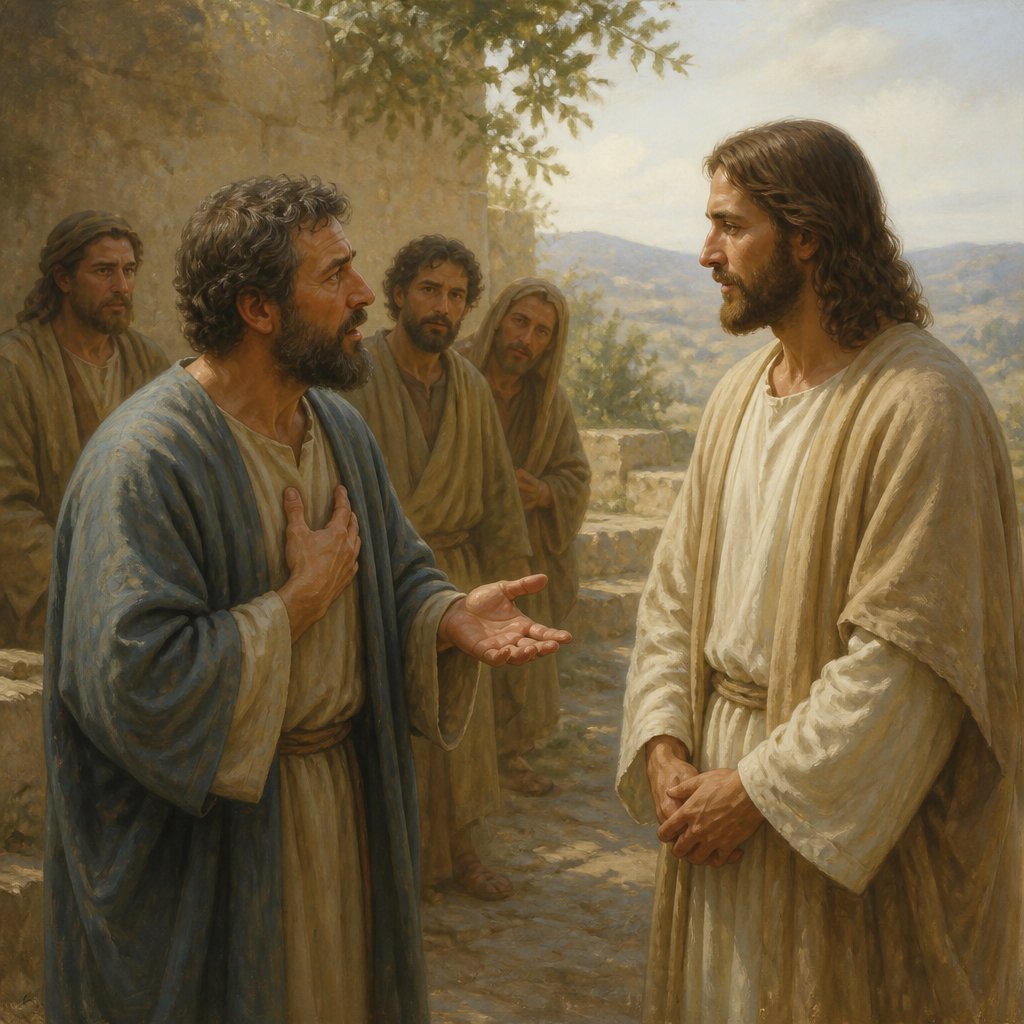
In the profound exchange recorded in the Gospel of Matthew 18:21, we find a striking question posed by Peter to Jesus: “Lord, how oft shall my brother sin against me, and I forgive him? till seven times?” This moment unfolds not only as a query about the limits of forgiveness but also as a formative lesson on grace and mercy.
Forgiveness is one of the most challenging yet essential aspects of the Christian faith. It lies at the heart of our relationship with God and with one another. The context of Peter’s question suggests he believed that forgiving someone seven times was a generous offer. In Jewish culture at the time, the common understanding was that three times was sufficient for forgiveness. Thus, Peter’s suggestion of seven was likely perceived as an extraordinary magnanimity, perhaps even commendable.
However, Jesus’ response, which we will reflect upon in further verses, thrusts open the door to a far more expansive view of forgiveness. He responds to Peter not with a number but rather with a challenging revelation about boundless grace: “I say not unto thee, Until seven times: but, Until seventy times seven.” This staggering answer transcends numerical limits, inviting us into a realm of forgiveness that knows no bounds.
To truly grasp the enormity of Jesus’ teaching, it helps to consider the implications of imposing limitations on our forgiveness. When we set boundaries—when we decide that after a certain point, forgiveness ceases—we, in essence, strive to control and judge an intrinsic quality of God’s nature. God’s forgiveness is infinite. He distinctly forgives our sins without a quota, as revealed in Psalm 103:12 - “As far as the east is from the west, so far hath he removed our transgressions from us.”
This brings us to the heart of the matter: forgiveness is not merely about restoring a relationship but is tied intimately to the sanctity of our souls. Holding onto anger or resentment ultimately chains us to the past and wrests our capacity to love freely and fully in the present. How often have we allowed bitterness to overshadow our joy? Each unforgiven offense is like a pebble thrown into the serene waters of our hearts, creating ripples that disturb our internal peace and our connections to others.
Consider how difficult forgiveness can be, particularly when the offenses are deep, repetitive, or profoundly hurtful. It is human nature to feel justified in our anger, to perceive ourselves as wronged. However, God calls us to rise above our instincts and instead embrace the challenge of forgiveness that reflects His nature. This is why Jesus teaches such a radical view of forgiveness. It's a counter-cultural stance, designed to sow seeds of reconciliation and love.
Now, how can we practice this boundless forgiveness in our daily lives? It begins with the realization that forgiveness is often not an emotion but an act of the will. We choose to forgive, even when it is not easy. We can start by praying for those who have wronged us, asking God to soften our hearts and to help us see them through His eyes, as beloved yet flawed beings, deserving of mercy—just as we are.
Additionally, engaging in honest self-reflection can help us understand our own need for forgiveness. When we recognize the grace we have received, it becomes easier to extend that same grace to others. Consider the Parable of the Unforgiving Servant that follows Peter's query. It emphasizes the point that since we have been forgiven so vastly, we are compelled to forgive reciprocally.
Ultimately, the call to forgive is a call to embody the character of Christ. In our imperfections, He stands ready to forgive us unconditionally, and in our willingness to forgive others, we reflect that character. This passage is not just a lesson; it is an invitation to enter into a transformative journey where we learn that true freedom lies not in the absence of offense, but in the decision to forgive, even seventy times seven. May we embrace this path, walk in His grace, and extend His love to those around us.
Want to reflect more on Matthew 18:21?
Continue your spiritual journey with Bible Chat — an AI-powered tool for exploring God's Word through conversation. Ask questions, discover connections, and deepen your understanding.
Get Our Apps


Matthew 18:21 Artwork
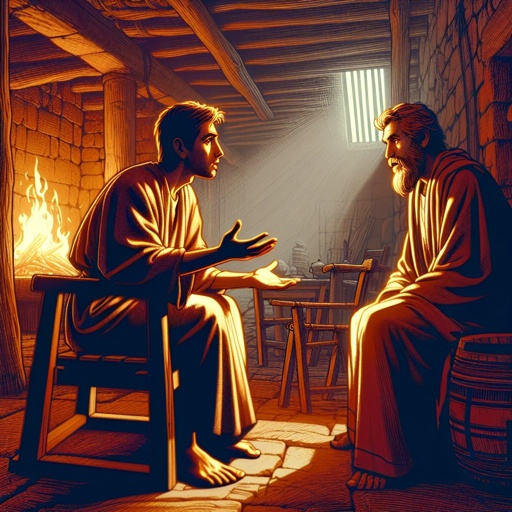
Matthew 18:21 - "¶ Then came Peter to him, and said, Lord, how oft shall my brother sin against me, and I forgive him? till seven times?"

Matthew 18:21-22 - "Then Peter came to Jesus and asked, “Lord, how many times shall I forgive my brother or sister who sins against me? Up to seven times?” Jesus answered, “I tell you, not seven times, but seventy-seven times."
"¶ Then came Peter to him, and said, Lord, how oft shall my brother sin against me, and I forgive him? till seven times?" - Matthew 18:21
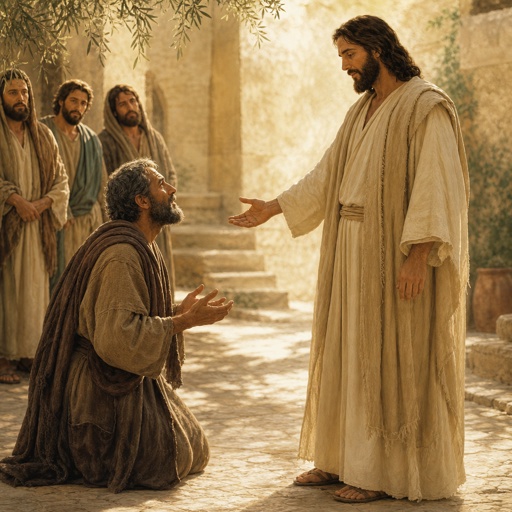
"Then Peter came to Jesus and asked, “Lord, how many times shall I forgive my brother or sister who sins against me? Up to seven times?” Jesus answered, “I tell you, not seven times, but seventy-seven times." - Matthew 18:21-22

Matthew 21:18 - "Now in the morning as he returned into the city, he hungered."

Matthew 21:21 Philippians 4:6-7 Ephesians 6:10-18 Put the words on the photo

Matthew 21:21 Philippians 4:6-7 Ephesians 6:10-18
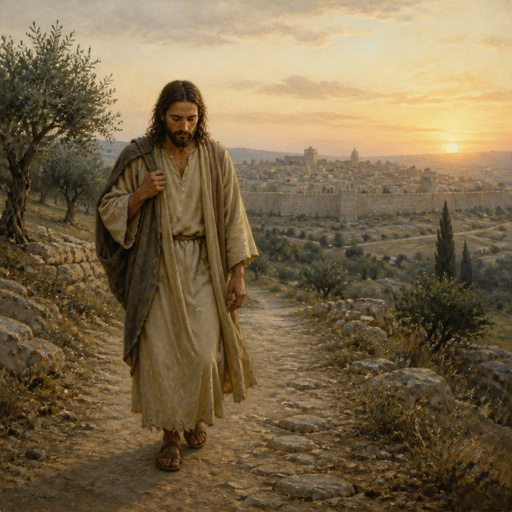
"Now in the morning as he returned into the city, he hungered." - Matthew 21:18

Matthew 9:21

Matthew 9:21-22

Matthew 21

Matthew 9:21-22

Matthew 9:21-22

Matthew 9:21-22

Matthew 9:21-22

Proverbs 18:21

Proverbs 18:21

Proverbs 18:21

Proverbs 18:21

Matthew 25:21

Matthew 25:21

Proverbs 18:21

Proverbs 18:21

Proverbs 18:21

Proverbs 18:21

Proverbs 18:21

Proverbs 18:21

Proverbs 18:21

Proverbs 18:21

Matthew 18:6