The Coming of Elias: Understanding Divine Timing and Prophecy
"And his disciples asked him, saying, Why then say the scribes that Elias must first come?" - Matthew 17:10
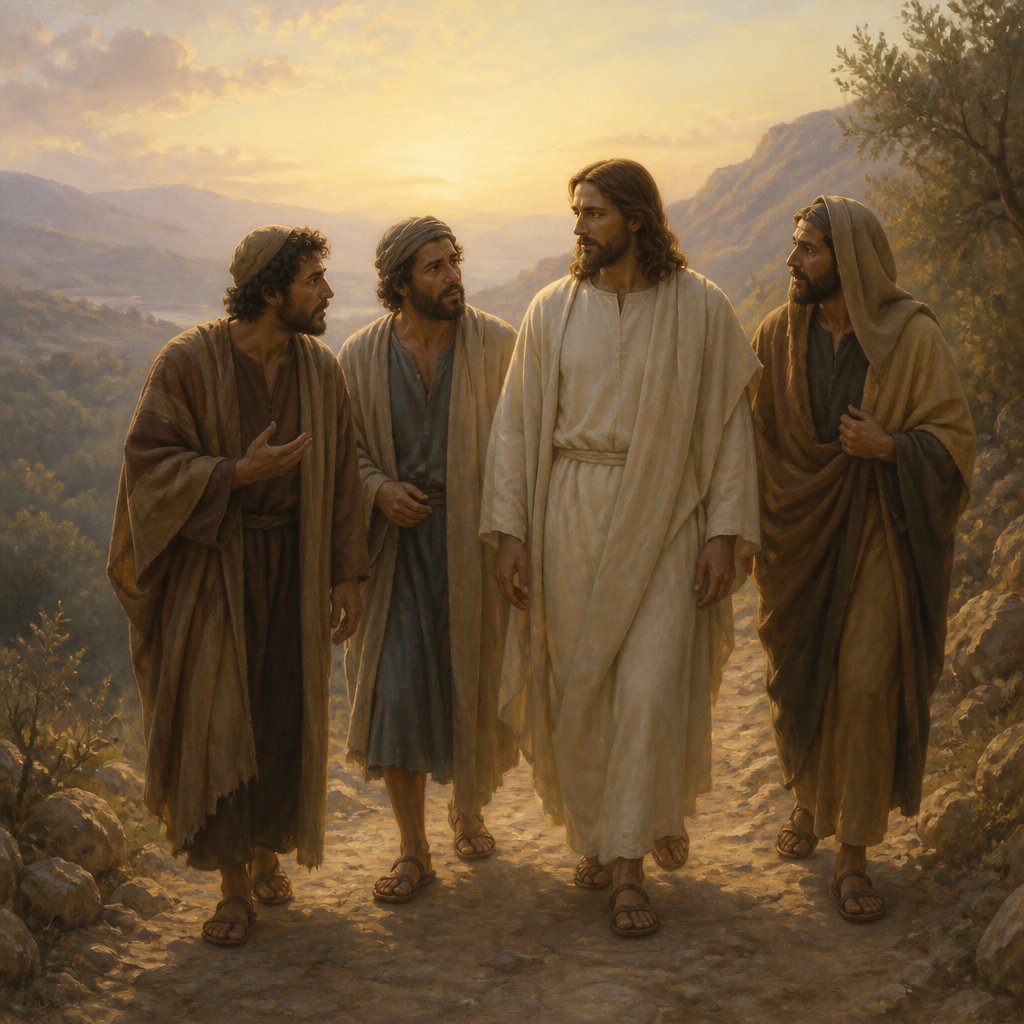
In the heart of the Gospel of Matthew, we find a pivotal moment where the disciples exhibit the earnest nature of their discipleship through questioning. Matthew 17:10 states, "And his disciples asked him, saying, Why then say the scribes that Elias must first come?" This inquiry leads us into a profound exploration of God’s timing and the fulfillment of His promises.
The backdrop of this scripture is vital. Just prior to this moment, on the Mount of Transfiguration, Jesus reveals His divine glory to three of His disciples—Peter, James, and John. They witness a transcendent truth about who Jesus is, clothed in majestic light and speaking with Moses and Elias. It’s a moment meant to fortify their faith as they prepare for the trials that lie ahead. Yet, even as they encounter the glory of the Christ, their understanding of the prophecies surrounding His coming remains clouded.
The question posed by the disciples reflects a common difficulty in interpreting biblical prophecy: how does one reconcile the prophetic declarations of Scripture with present reality? The scribes, as scholars of the law and the prophets, held a belief that before the Messiah would re-establish the kingdom, Elias (Elijah) would come to restore all things (Malachi 4:5-6). The disciples’ confusion is not just about Elias; it is about understanding God’s plan phase by phase and the method by which God orchestrates His purposes.
Jesus’ response to their inquiry is profound, teaching us about the nature of prophecy and fulfillment. He says, "Elias truly shall come, and restore all things. But I say unto you, That Elias is come already, and they knew him not, but have done unto him whatsoever they listed" (Matthew 17:11-12). Here, Jesus identifies John the Baptist as the prophesied Elijah—one who came in the spirit and power of Elijah, fulfilling the prophecy indirectly. This is a remarkable point because it unveils layers of meaning within the prophetic message and demonstrates the complexity of God’s plan.
God’s timing often defies human understanding. The disciples were waiting for a literal return of the great prophet Elijah, yet God’s design involved a different fulfillment through John the Baptist. This underscores a critical lesson for us: when we find ourselves perplexed or questioning God’s plans, we must remember that His ways are higher than ours (Isaiah 55:8). What we perceive as missed timelines may be part of God’s divine orchestration.
Moreover, Christ’s clarification serves as a reminder that our expectations may not align with God’s objectives. The Jewish people of Jesus’ time were waiting for an outward display of power, a restoration of physical kingdoms. Yet, God’s mission through Christ was much more transformative – it was about restoring hearts, reconciling humanity to Himself, and establishing an eternal kingdom that transcends earthly dominions.
As we reflect on this passage, we are also invited into deeper faith. Just like the disciples, we often have our own preconceived notions of how God should act, who He should send, and when He should fulfill His promises. But Jesus challenges us to open our hearts to the reality that God may be at work in ways we do not understand. He is steadfast, faithful, and ultimately working for our good (Romans 8:28).
In closing, let us embrace our questions with humility and faith, acknowledging that our understanding is limited. Just as the disciples were encouraged to trust in Jesus’ authority and prophetic insight, so are we called to trust in the person of Christ and the unfolding of His divine plan. In doing so, we will discover peace in the waiting, strength in the uncertainty, and hope in the promise that God fulfills His Word in perfect timing.
Want to reflect more on Matthew 17:10?
Continue your spiritual journey with Bible Chat — an AI-powered tool for exploring God's Word through conversation. Ask questions, discover connections, and deepen your understanding.
Get Our Apps


Matthew 17:10 Artwork

Matthew 17:10 - "And his disciples asked him, saying, Why then say the scribes that Elias must first come?"
"And his disciples asked him, saying, Why then say the scribes that Elias must first come?" - Matthew 17:10

Matthew 10:17 - "But beware of men: for they will deliver you up to the councils, and they will scourge you in their synagogues;"
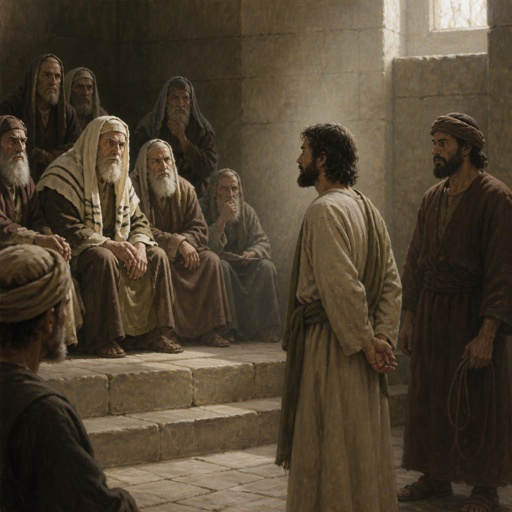
"But beware of men: for they will deliver you up to the councils, and they will scourge you in their synagogues;" - Matthew 10:17

Matthew 17:17-18

Matthew 17:17-18

Matthew 17:20

Matthew 6:17

Matthew 17:20

matthew 15 matthew 15:10

Matthew 19:16-17

Matthew 6:17-18

Matthew 17:14-21

Matthew 17:14-15

Matthew 3:13-17

Romans 10:17

Romans 10:17

Romans 10:17

Matthew 1:10

Matthew 18:10

Matthew 1:10

Romans 10:17

Romans 10:17

Romans 10:17

Luke 10:17-19

Matthew 4:10

Matthew 2:17 - "Then was fulfilled that which was spoken by Jeremy the prophet, saying,"

Matthew 17:21 - "Howbeit this kind goeth not out but by prayer and fasting."

Matthew 10:3 - "Philip, and Bartholomew; Thomas, and Matthew the publican; James the son of Alphaeus, and Lebbaeus, whose surname was Thaddaeus;"

for the workman is worthy his meat Matthew 10:10