Whom Do Men Say That I Am?
"¶ When Jesus came into the coasts of Caesarea Philippi, he asked his disciples, saying, Whom do men say that I the Son of man am?" - Matthew 16:13
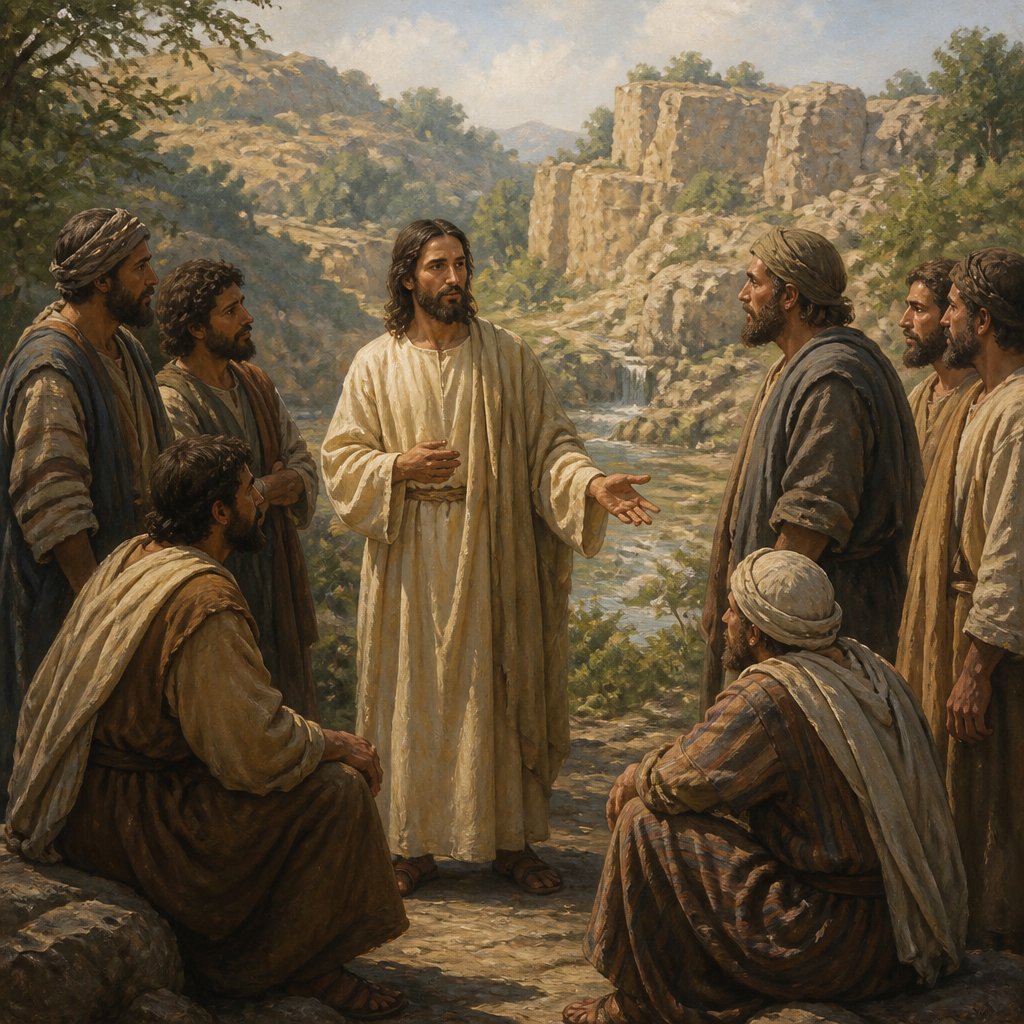
In the bustling world of opinions, where every individual seems to have a perspective on life and faith, Jesus presents a profound question to His disciples in Matthew 16:13: "When Jesus came into the coasts of Caesarea Philippi, he asked his disciples, saying, Whom do men say that I the Son of man am?" This inquiry opens a door not just to a historical moment but also to a critical exploration of identity, belief, and the voices that shape our understanding of Christ.
**The Historical Context**
To fully appreciate the depth of this question, it is essential to consider the context in which Jesus posed it. Caesarea Philippi was a city known for its pagan worship, particularly of the god Pan, with temples and shrines that celebrated various false deities. Surrounded by such stark contrasts of belief, Jesus asked his disciples about the opinions circulating about Him. It was here, amidst the echoes of pagan worship, that He sought clarity about His identity among His followers.
**A Question of Identity**
At its core, Jesus' question asks us to confront our own understanding of who He is. When He asks, "Whom do men say that I am?" it challenges each of us to reflect on the voices that shape our perception of Him. In contemporary society, much like in Jesus’ time, opinions about Christ abound—some see Him as a great teacher, others view Him as a prophet, and still others dismiss Him entirely. The cacophony of voices can often cloud our understanding of Jesus’s true nature.
**Voices and Influences**
As modern-day followers of Christ, we need to discern the trusted sources from which we derive our understanding of Him. Just as the disciples relayed the various opinions they had heard—some thought Him to be John the Baptist, others Elijah, and still others Jeremiah or one of the prophets—we too are bombarded by voices from the media, culture, and even our peers. Each voice carries weight, yet not all lead us to the genuine truth of Jesus’s identity.
**Personal Revelation**
The discussion doesn’t end with the opinions of others; it must culminate in personal revelation. The following verses reveal the key moment of Peter’s declaration: "Thou art the Christ, the Son of the living God" (Matthew 16:16). This statement came not from human wisdom but was revealed directly from the Father (Matthew 16:17). This indicates that while societal views hold influence, it is through divine revelation and personal relationship that we truly understand who Jesus is.
**Personal Reflection**
In our daily walk with God, we must wrestle with the question, "Who do I say Jesus is?" This reflection should encourage us to engage in prayer and study of the Word, seeking that personal revelation that transforms mere knowledge into lived faith. Are we living in the truth of His divinity, recognizing Him as the Messiah and our Savior, or are we allowing cultural ideas to dilute our understanding of His kingship?
**Faith Amid Confusion**
In a world filled with uncertainty, we must ground ourselves in the unwavering truth of Christ’s identity. Jesus’s inquiry goes beyond mere curiosity; it invites us to acknowledge that our faith must rest firmly on the truth of who He is, and that truth can only be learned through intentional discipleship and communion with Him.
**Conclusion: A Call to Personal Faith**
As believers today, we can take heart from this passage. Just as it was pivotal for the early disciples to understand who Jesus was amid conflicting views, so too is it for us. Let us not only seek to answer the question posed by Jesus in the historical context but allow it to permeate our lives. May we cultivate a deeper relationship with Him that leads us to declare with confidence and personal conviction, "You are the Christ, the Son of the living God." In so doing, we move from merely echoing societal opinions to boldly proclaiming our belief in the one true Savior.
Want to reflect more on Matthew 16:13?
Continue your spiritual journey with Bible Chat — an AI-powered tool for exploring God's Word through conversation. Ask questions, discover connections, and deepen your understanding.
Get Our Apps


Matthew 16:13 Artwork

Matthew 16:13 - "¶ When Jesus came into the coasts of Caesarea Philippi, he asked his disciples, saying, Whom do men say that I the Son of man am?"

Matthew 16:13-16 - "When Jesus came into the coasts of Caesarea Philippi, he asked his disciples, saying, Whom do men say that I the Son of man am? And they said, Some say that thou art John the Baptist: some, Elias; and others, Jeremias, or one of the prophets. He saith unto them, But whom say ye that I am? And Simon Peter answered and said, Thou art the Christ, the Son of the living God."
"¶ When Jesus came into the coasts of Caesarea Philippi, he asked his disciples, saying, Whom do men say that I the Son of man am?" - Matthew 16:13
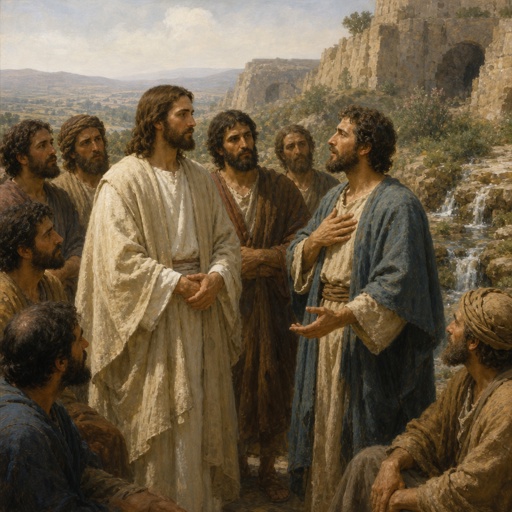
"When Jesus came into the coasts of Caesarea Philippi, he asked his disciples, saying, Whom do men say that I the Son of man am? And they said, Some say that thou art John the Baptist: some, Elias; and others, Jeremias, or one of the prophets. He saith unto them, But whom say ye that I am? And Simon Peter answered and said, Thou art the Christ, the Son of the living God." - Matthew 16:13-16

Matthew 13:16 - "But blessed are your eyes, for they see: and your ears, for they hear."

"But blessed are your eyes, for they see: and your ears, for they hear." - Matthew 13:16

Matthew 3:16

Matthew 13

Matthew 3:16

Matthew 3:16

Matthew 8:13

Matthew 8:13

Matthew 8:13

Matthew 13

Matthew 16:25

Matthew 7:13-14

Matthew 7:13-14

Matthew 7:13-14

Matthew 7:13-14

Matthew 7:13-14

Matthew 7:13-14

Matthew 7:13-14

Matthew 16:16 - "And Simon Peter answered and said, Thou art the Christ, the Son of the living God."

Matthew 7:13-14

Matthew 7:13-14

Matthew 7:13-14

Matthew 7:13-14

Matthew 2:13

Matthew 7:13

Matthew 13:8