The Abundance of the Leftovers: Lessons from the Baskets
"Neither the seven loaves of the four thousand, and how many baskets ye took up?" - Matthew 16:10
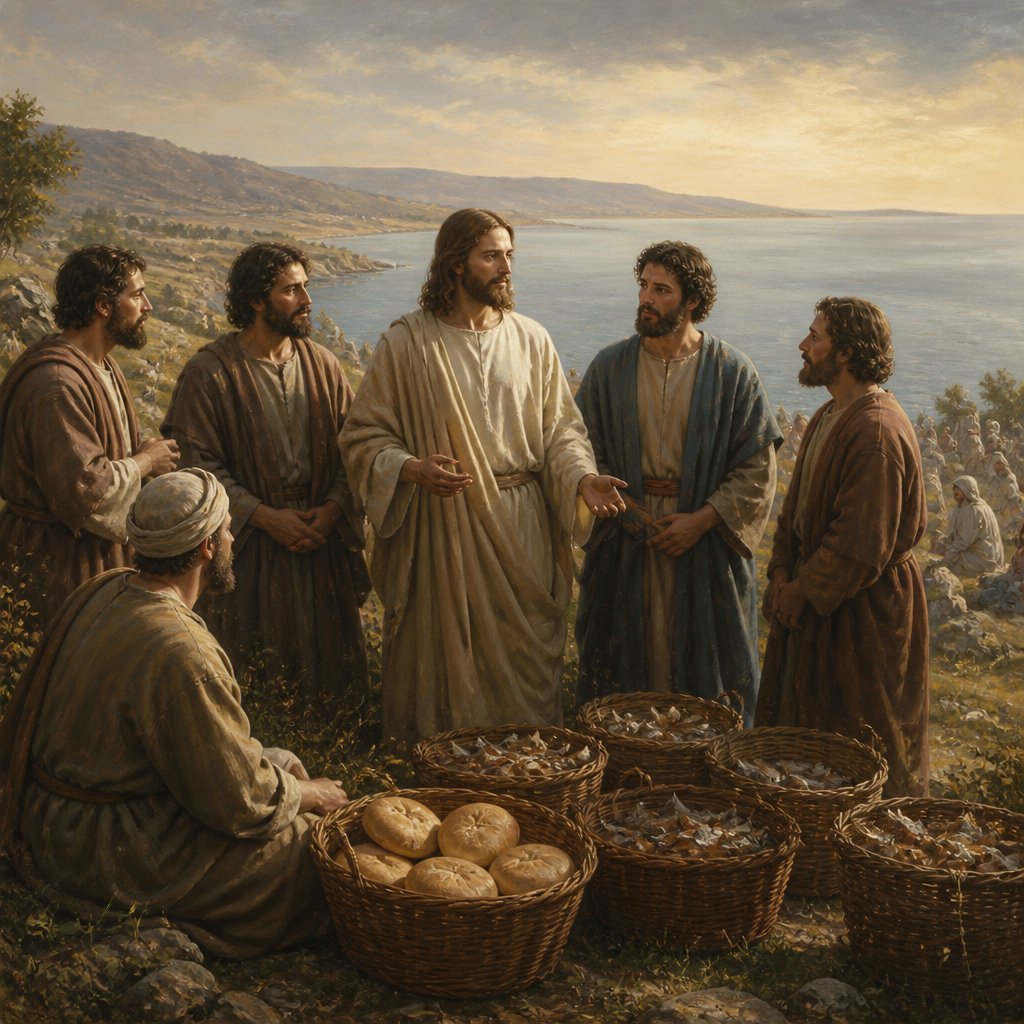
In the Gospel according to Matthew, we encounter a significant moment where Jesus challenges His disciples to remember the miracles He performed. Matthew 16:10 (KJV) states, "Neither the seven loaves of the four thousand, and how many baskets ye took up?" This verse encapsulates not only a physical miracle concerning the multiplication of loaves and fishes but also challenges us to delve into the deeper meaning of abundance, provision, and faith.
During His ministry, Jesus frequently addressed the hearts of those around Him, emphasizing the importance of spiritual understanding more than mere physical witness. In the context of Matthew 16, Jesus is speaking to His disciples about the need for spiritual awareness amidst the rising influence of the Pharisees and Sadducees, who sought to lead people astray with their teachings. As He references the miracle of the loaves, He invites His followers to reflect on the significance of what they witnessed.
When we reflect on the feeding of the four thousand, we remember that it started with just seven loaves of bread and a few small fishes. What followed was astounding: Jesus took the insignificant and transformed it into a feast for thousands, reminding us that with Him, even what seems scarce is transformed into overflowing blessings. Such miracles were not just for the stomach; they were declarations of God’s abundant provision and care.
Yet, Jesus draws attention not only to the miracle itself but to the leftovers—how many baskets were collected afterward. In Mark 8:8, we read that seven baskets were filled with the leftovers after feeding the four thousand. The baskets serve as a metaphor for how God often operates: He provides not just enough for the moment, but abundance to affirm His fidelity. You see, in God’s economy, there is always excess; there is always a divine surplus of grace ready to be poured into our lives.
The collection of leftovers encourages us to consider the richness of God’s blessings. These baskets can remind us of the times in our lives when God has shown up in ways we never expected, filling our lives with more than we could have imagined. Each basket filled with bread is a testament to God's faithfulness and a call to remember His past provisions as we face present trials.
When faced with challenges or uncertainties, like the disciples who questioned how they would feed the crowd, we can easily forget the very works of God in our lives. Jesus is not merely asking them about the leftovers but rather inviting them to reflect on their faith. Have they, too, learned to recognize the fingerprints of God in their situations? Have they acknowledged God’s provision, or are they bound by doubts?
The call to remember is powerful. Memory is an act of faith, a means through which we can reorient ourselves in the present by reflecting on the faithfulness of God in our past. It is in reviewing the baskets that we regain the confidence to face new challenges. In our daily lives, when we encounter our own 'impossible situations,' we need to pull from the storehouse of God’s past faithfulness—drawing on those reminders to bolster our faith today.
So let us remain vigilant, aware of His past miracles, not only in our scripture but in our lives. Recall where you have seen God move. Let that reflective practice build a foundation of faith that will carry you through your moments of doubt. Never underestimate the value of the baskets of blessings God has left for you—those reminders that assure us of His unending provision and love. Matthew 16:10 is more than just a question; it acts as an invitation to a deeper relationship with the God who abundantly provides.
Want to reflect more on Matthew 16:10?
Continue your spiritual journey with Bible Chat — an AI-powered tool for exploring God's Word through conversation. Ask questions, discover connections, and deepen your understanding.
Get Our Apps


Matthew 16:10 Artwork

Matthew 16:10 - "Neither the seven loaves of the four thousand, and how many baskets ye took up?"
"Neither the seven loaves of the four thousand, and how many baskets ye took up?" - Matthew 16:10

Matthew 10:16 - "¶ Behold, I send you forth as sheep in the midst of wolves: be ye therefore wise as serpents, and harmless as doves."

Matthew 10:16 “Behold, I send you out as sheep in the midst of wolves. Therefore be wise as serpents and harmless as doves

Matthew 3:16

Matthew 3:16

Matthew 3:16

matthew 15 matthew 15:10

Matthew 16:25
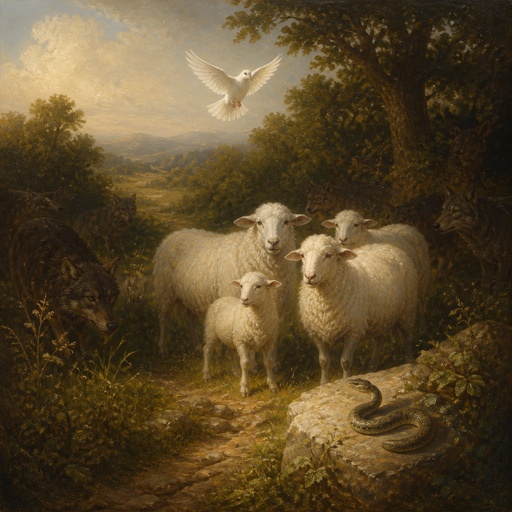
"¶ Behold, I send you forth as sheep in the midst of wolves: be ye therefore wise as serpents, and harmless as doves." - Matthew 10:16

Matthew 16:16 - "And Simon Peter answered and said, Thou art the Christ, the Son of the living God."

Matthew 1:10

Matthew 18:10

Matthew 1:10

Matthew 19:16-17

Matthew 4:10

Matthew 27:16 - "And they had then a notable prisoner, called Barabbas."

Matthew 10:3 - "Philip, and Bartholomew; Thomas, and Matthew the publican; James the son of Alphaeus, and Lebbaeus, whose surname was Thaddaeus;"

for the workman is worthy his meat Matthew 10:10

for the workman is worthy of his meat Matthew 10:10

for the workman is worthy of his meat Matthew 10:10

for the workman is worthy of his meat Matthew 10:10

for the disciple is worthy of his meat Matthew 10:10

for the workman is worthy of his meat Matthew 10:10

for the workman is worthy of his meat Matthew 10:10

Matthew 12:16 - "And charged them that they should not make him known:"

Matthew 24:16 - "Then let them which be in Judaea flee into the mountains:"

Matthew 13:16 - "But blessed are your eyes, for they see: and your ears, for they hear."

Matthew 1:1-16 Jesus geneology.

Matthew 10:2…Matthew 10:2 These are the names of the twelve apostles: first, Simon (who is called Peter) and his brother Andrew; James son of Zebedee, and his brother John