The Cost of Compromise: Reflecting on Matthew 14:11
"And his head was brought in a charger, and given to the damsel: and she brought it to her mother." - Matthew 14:11
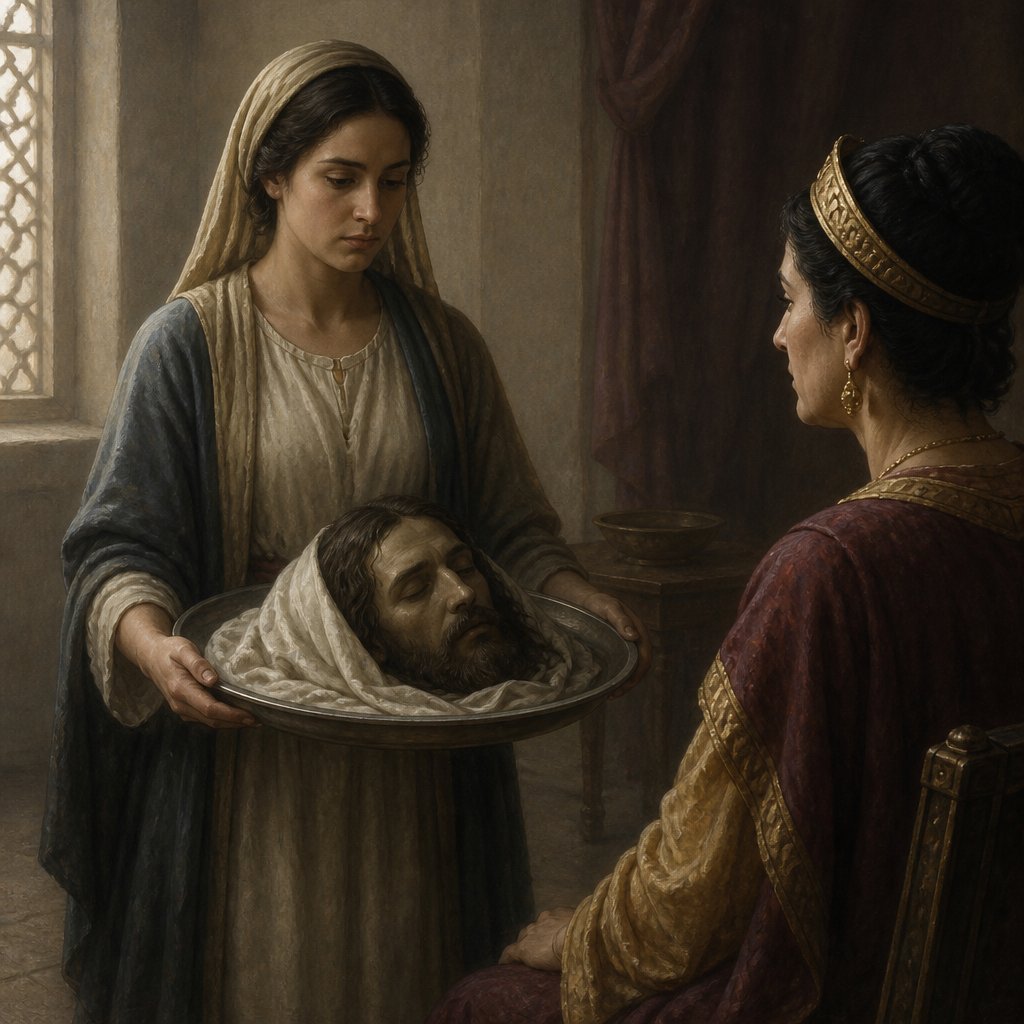
The haunting image presented in Matthew 14:11 resonates deeply with the notion of moral compromise and its dire consequences. In the King James Version, the verse states, "And his head was brought in a charger, and given to the damsel: and she brought it to her mother." This verse refers to the gruesome fate of John the Baptist, whose head was delivered on a platter at the request of Salome, the daughter of Herodias, as a reward for her dance before King Herod. The implications of this act reverberate through the ages, as we consider the weight of our actions and the moral choices we face daily.
To delve into the significance of this moment, it may help to understand the context in which it occurred. John the Baptist was a prophet known for his unwavering commitment to truth. He spoke boldly against the sins of those in power, particularly King Herod, who had unlawfully married his brother's wife, Herodias. John’s relentless stance against immorality cost him his life. When Herodias’ daughter danced, her enchanting performance stirred up a promise from Herod — one that was to deliver the desires of the heart, regardless of the righteousness that was required. The request for John’s head arose from a moment of vanity and spite, illustrating how personal ambition can overshadow moral integrity.
In our own lives, we often encounter circumstances where we must stand firm in our beliefs or yield to external pressures. The metaphor of the charger, a large dish or platter, serves as a reminder of how the demand for our integrity can come at a cost — often one that seems inconceivably high. Like Herod, many might find themselves in positions where they must choose between the truth and a facade that pleases those around them. How often do we sacrifice our values for fleeting moments of approval or for the sake of maintaining our comfort?
The young damsel, motivated by her mother’s desire for vengeance, is an emblem of influence and manipulation. She may embody innocence, yet her action is steeped in the weight of a decision that led to the demise of a righteous man. We must examine what influences prompt our actions. Are we cultivating a heart that seeks to honor God, or are we allowing ourselves to be swayed by the desires of those around us? Each decision we make can bear profound consequences, not only for ourselves but for others as well.
Moreover, the imagery of John’s severed head reminds us of the spiritual death that follows when we fail to uphold our convictions. It’s a stark depiction of the end of a life devoted to preparing the way for Jesus. The profound irony in this narrative is that while John's earthly journey ended cruelly, his impact echoed through history as a voice calling for repentance and preparation for the Messiah. Every act of courage in speaking truth contributes to the Kingdom, even if the cost seems high at the moment.
As we meditate on Matthew 14:11, we must ask ourselves: what is our head on a platter? What truths are we failing to uphold due to the fear of discomfort, rejection, or misunderstanding? Are we silencing our voices that seek to speak righteousness amidst a culture that often celebrates the opposite?
In conclusion, let this verse serve as both a warning and an encouragement. The path of righteousness is not always easy, and it may come with significant sacrifice. However, by steadfastly holding onto our convictions, we can trust that we are standing not alone but alongside those who have paved the way before us. May we be inspired to speak truthfully, live boldly, and honor God in every aspect of our lives, refusing to compromise, even when faced with a head on a charger.
Want to reflect more on Matthew 14:11?
Continue your spiritual journey with Bible Chat — an AI-powered tool for exploring God's Word through conversation. Ask questions, discover connections, and deepen your understanding.
Get Our Apps


Matthew 14:11 Artwork

Matthew 14:11 - "And his head was brought in a charger, and given to the damsel: and she brought it to her mother."
"And his head was brought in a charger, and given to the damsel: and she brought it to her mother." - Matthew 14:11

Matthew 11:14 - "And if ye will receive it, this is Elias, which was for to come."
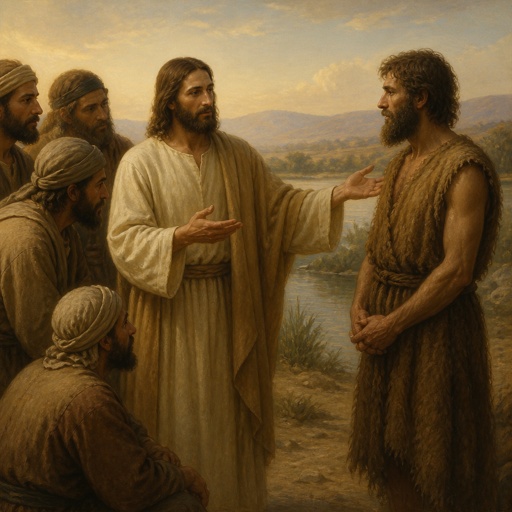
"And if ye will receive it, this is Elias, which was for to come." - Matthew 11:14

Matthew 14:22-33

Matthew 7:13-14

Matthew 7:13-14

Matthew 7:13-14

Matthew 7:13-14

Matthew 7:13-14

Matthew 7:13-14

Matthew 7:13-14

Matthew 3:11

Matthew 3:11

Matthew 3:11

Matthew 3:11

Matthew 3:11

Matthew 3:11

Matthew 7:13-14

Matthew 7:13-14

Matthew 7:13-14

Matthew 7:13-14

Matthew 3:11-12

Matthew 5:14

Matthew 6:14

Matthew 5:14

Matthew 3:11-12

matthew 2:14

Matthew 3:11

Matthew 3:11