The Parable of Growth and Duality: Understanding Matthew 13:26
"But when the blade was sprung up, and brought forth fruit, then appeared the tares also." - Matthew 13:26

Matthew 13:26 (KJV) states, "But when the blade was sprung up, and brought forth fruit, then appeared the tares also." This verse is nestled within the broader context of Jesus' teaching through parables, particularly the Parable of the Wheat and the Tares. In this narrative, He illustrates the reality of coexistence—how good and evil grow together in the world and even within our own lives.
As we delve into this verse, we discover profound truths about spiritual growth, the presence of opposition, and God's ultimate plan for us.
### The Growth of the Blade
In the early stages of growth, the "blade" symbolizes the positive aspects of our lives—the fruits of the Spirit, our obedience to God's calling, and the fruitfulness that comes from a relationship with Christ. When the blade first appears, it is a time of hope, excitement, and anticipation. Just as a farmer nurtures the crop from seed to sprout, we too are nurtured by our experiences with God—through prayer, scripture reading, and fellowship. This early growth is often a testament to our faith in action.
### The Emergence of Tares
However, even as our interpersonal and spiritual lives seem to flourish, this verse soberly reminds us that the presence of "tares"—or weeds—will also become apparent. Tares, resembling wheat in the early stages, signify the challenges, sins, and distractions that can manifest in and around us. It is essential to acknowledge that as we strive to live righteously, the enemy is also at work, attempting to infiltrate our lives with doubts, fears, and temptations. Peter reminds us in 1 Peter 5:8: "Be sober, be vigilant; because your adversary the devil, as a roaring lion, walketh about, seeking whom he may devour."
The existence of tares in our lives—the struggles against sin, interpersonal conflicts, and spiritual doubts—can be disheartening. They challenge us to analyze our growth and maintain vigilance against distractions and destructive forces. But why does God allow this duality? Is He not an all-powerful God who could eradicate the tares as soon as they appear?
### Coexistence and God’s Sovereignty
Scripture teaches us that the reason behind coexistence is deeply rooted in God’s sovereign plan. In the Parable, the farmer instructs the workers not to uproot the tares immediately, for that might risk damaging the wheat. God's wisdom shines here—He recognizes that while the presence of tares is disruptive, it also serves a purpose in our spiritual maturation.
Consider how experiencing trials and opposition strengthens our character. James 1:2-4 encourages us to count it all joy when we fall into diverse temptations, knowing that the trying of our faith works patience. It is through these challenges that we develop resilience, dependence on God, and deeper empathy towards others who might be facing similar struggles.
### Hope and Assurance in Fruitfulness
As we reflect on Matthew 13:26, it is also significant to remember the focus on fruitfulness. The verse assures us that despite the coexistence of good and evil, our lives can bear fruit. God promises that as we abide in Him (John 15:5), we will be fruitful, and our efforts will not be in vain. Recognizing the tares around or within us allows us to confront them through the power of the Holy Spirit, enabling us to grow in wisdom and grace.
In closing, let Matthew 13:26 serve as both a warning and an encouragement: that while tares may appear alongside our growth, they do not define us. We are called to cultivate the good, come alongside others in their struggles, and continually seek God’s guidance in navigating the complexities of life. Embrace this duality with faith, trusting that God is working in and through you, producing a harvest worthy of His Kingdom.
Want to reflect more on Matthew 13:26?
Continue your spiritual journey with Bible Chat — an AI-powered tool for exploring God's Word through conversation. Ask questions, discover connections, and deepen your understanding.
Get Our Apps


Matthew 13:26 Artwork

Matthew 13:26 - "But when the blade was sprung up, and brought forth fruit, then appeared the tares also."

"But when the blade was sprung up, and brought forth fruit, then appeared the tares also." - Matthew 13:26
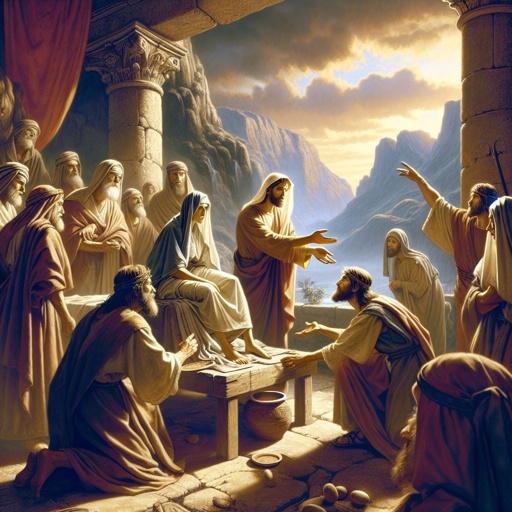
Matthew 26:13 - "Verily I say unto you, Wheresoever this gospel shall be preached in the whole world, there shall also this, that this woman hath done, be told for a memorial of her."

Matthew 26:25

Matthew 26:15

Matthew 19:26

Matthew 26:15

Matthew 27:26

Matthew 27:26

Matthew 26:53

Matthew 26:65

Matthew 26:41

Matthew 26:53

Matthew 26:26 - "¶ And as they were eating, Jesus took bread, and blessed it, and brake it, and gave it to the disciples, and said, Take, eat; this is my body."

Matthew 13

Matthew 8:13

Matthew 8:13

Matthew 8:13

Matthew 13

Matthew 22:26 - "Likewise the second also, and the third, unto the seventh."

Matthew 9:26 - "And the fame hereof went abroad into all that land."

Matthew 26:54 - "But how then shall the scriptures be fulfilled, that thus it must be?"

Matthew 7:13-14

Matthew 7:13-14

Matthew 7:13-14

Matthew 7:13-14

Matthew 7:13-14

Matthew 7:13-14

Matthew 7:13-14

Matthew 26:6 - "¶ Now when Jesus was in Bethany, in the house of Simon the leper,"