The Transformation of Glory: Encountering the Divine
"And there appeared unto them Elias with Moses: and they were talking with Jesus." - Mark 9:4
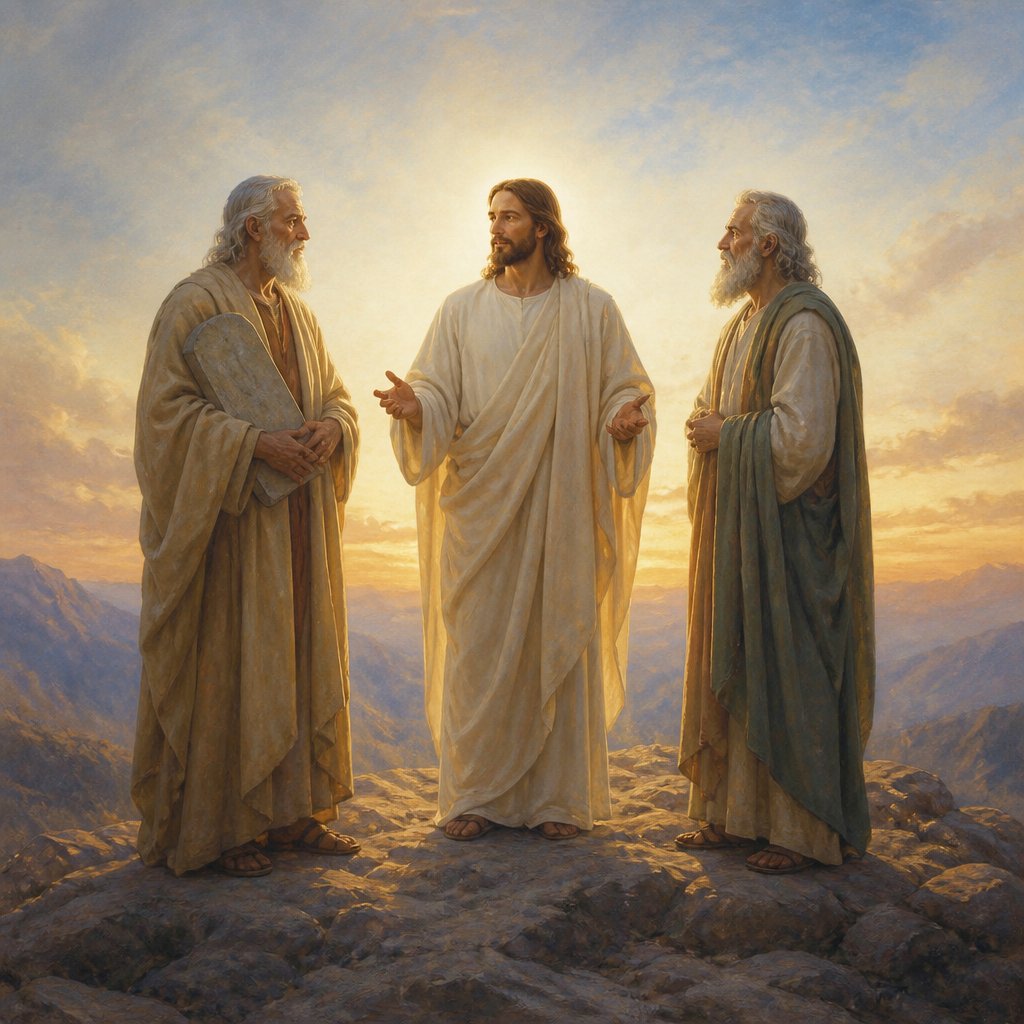
In Mark 9:4, we read, "And there appeared unto them Elias with Moses: and they were talking with Jesus." This singular moment in the narrative of the Gospels provides profound insight into the identity of Christ, the continuity of God's purpose through history, and the transformative encounter available to each believer.
Mark places this event during the account of the Transfiguration, a pivotal moment in Jesus' ministry, revealing not only His divine nature but also a connection between past patriots and the promise of redemption embodied in Christ. The presence of Elijah (Elias) and Moses signifies the Law and the Prophets, affirming Jesus' rightful place within the divine plan of salvation.
Moses represents the Law, the one who brought the people of Israel out of bondage and into a covenant relationship with God. He experienced the glory of God on Mount Sinai, a foreshadowing of the glory that would be revealed in Christ. In an encounter with the holiness of God, Moses’ face shone so brightly after being in His presence that he had to wear a veil among the Israelites (Exodus 34:29-35). This highlights an essential truth: God desires communion with humanity, but this connection requires a transformation, a shedding of the old self to fully embrace the new life bestowed through Christ.
Elijah stands as the prophet of fire, a fierce advocate for God’s covenant, who confronted idolatry and injustice. His ascension to heaven in a chariot of fire (2 Kings 2:11) speaks to the extraordinary power and presence of God. Elijah is also associated with the coming of the Messiah, as prophesied in Malachi 4:5-6: "Behold, I will send you Elijah the prophet before the coming of the great and dreadful day of the Lord." In appearing alongside Moses, Elijah confirms Jesus as the fulfillment of the Law and the Prophets, the apex of God's revelation.
Consider the significance of this meeting. It was not merely a historical dialogue between Heavenly figures; it was a moment of divine confirmation for Jesus’ disciples. In the face of worldly doubts and impending trials, they witness the majestic convergence of history and prophecy in the person of Jesus. This encounter would fortify their faith, reminding them that Jesus was not just a teacher or a healer, but the incarnate Word of God who had come to fulfill all that had been spoken and promised.
In our journeys of faith, we find ourselves often grappling with questions about God’s promises and our purpose. The conversation between Moses, Elijah, and Jesus is not just a distant narrative; it serves as an imperative call to each of us. It invites us to step beyond our temporal struggles and glance at the eternal plan orchestrated by God. God’s faithfulness spans across the ages—from the giving of the Law to the prophetic calls, all leading to the answer found in Jesus. We are reminded that God meets us in our loneliness, doubts, and fears, revealing His character and intentions through His Word and in community with one another.
Engaging in prayer and meditation on this passage invites us to consider: What does it mean for us to talk with Jesus today? How do we invite Him into our dialogues, our struggles, and our decisions? Each day we are given the opportunity to seek the presence of God, to transform our ordinary moments into encounters with the sacred. Like Peter, James, and John, who were awed by the splendor of the moment, we too can reach for the sublime by nurturing a relationship with Jesus.
In conclusion, Mark 9:4 encapsulates a multi-layered spiritual truth—through the witnesses of Moses and Elijah, we are encouraged to acknowledge Jesus as the Messiah who is at the center of all history. As we dialogue with Him in prayer and Scripture, we metamorphose into His likeness, reflecting His glory in our lives, becoming vessels of hope for the world. This transformation ignites a passion within us to share the Good News that the Kingdom of God is here, and Jesus is calling each of us into a deeper communion with Himself.
Want to reflect more on Mark 9:4?
Continue your spiritual journey with Bible Chat — an AI-powered tool for exploring God's Word through conversation. Ask questions, discover connections, and deepen your understanding.
Get Our Apps


Mark 9:4 Artwork

Mark 9:4 - "And there appeared unto them Elias with Moses: and they were talking with Jesus."
"And there appeared unto them Elias with Moses: and they were talking with Jesus." - Mark 9:4

Mark 9:2 Show only 4 people Show a mountain area According to Mark 9:2

Mark 9:2 Show only 4 people and one of them is Jesus Show a mountain area According to Mark 9:2

Mark 9:2 Do not show Jesus' face Show only 4 people including Jesus Show a mountain area therefore, show only 4 people in a mountain area and for one of them don't show the face. Mark 9:2

Mark 4:9 - "And he said unto them, He that hath ears to hear, let him hear."

Ezekiel 9:4 - "And the LORD said unto him, Go through the midst of the city, through the midst of Jerusalem, and set a mark upon the foreheads of the men that sigh and that cry for all the abominations that be done in the midst thereof."
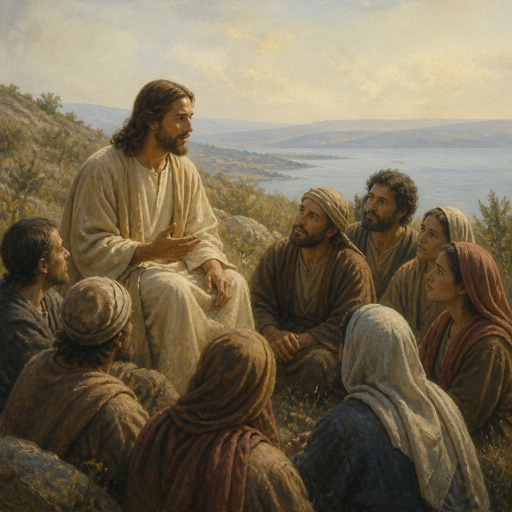
"And he said unto them, He that hath ears to hear, let him hear." - Mark 4:9

Mark 2:9

Mark 9:38

Mark 2:9

Mark 9:36-37

mark 2:4

mark 2:4

mark 2:4

mark 2:4

Mark 4:41

mark 2:4

Mark 4:41

Mark 4:41

Mark 2:4

mark 2:4

Mark 4:41

Mark 9:48 - "Where their worm dieth not, and the fire is not quenched."

Mark 6:9 - "But be shod with sandals; and not put on two coats."

Mark 9:40 - "For he that is not against us is on our part."

Mark 9:46 - "Where their worm dieth not, and the fire is not quenched."

Mark 9:44 - "Where their worm dieth not, and the fire is not quenched."

Mark 4:36-37

Mark 4:36-37