The Heart of True Holiness: Moving Beyond Rituals
"And when they saw some of his disciples eat bread with defiled, that is to say, with unwashen, hands, they found fault." - Mark 7:2
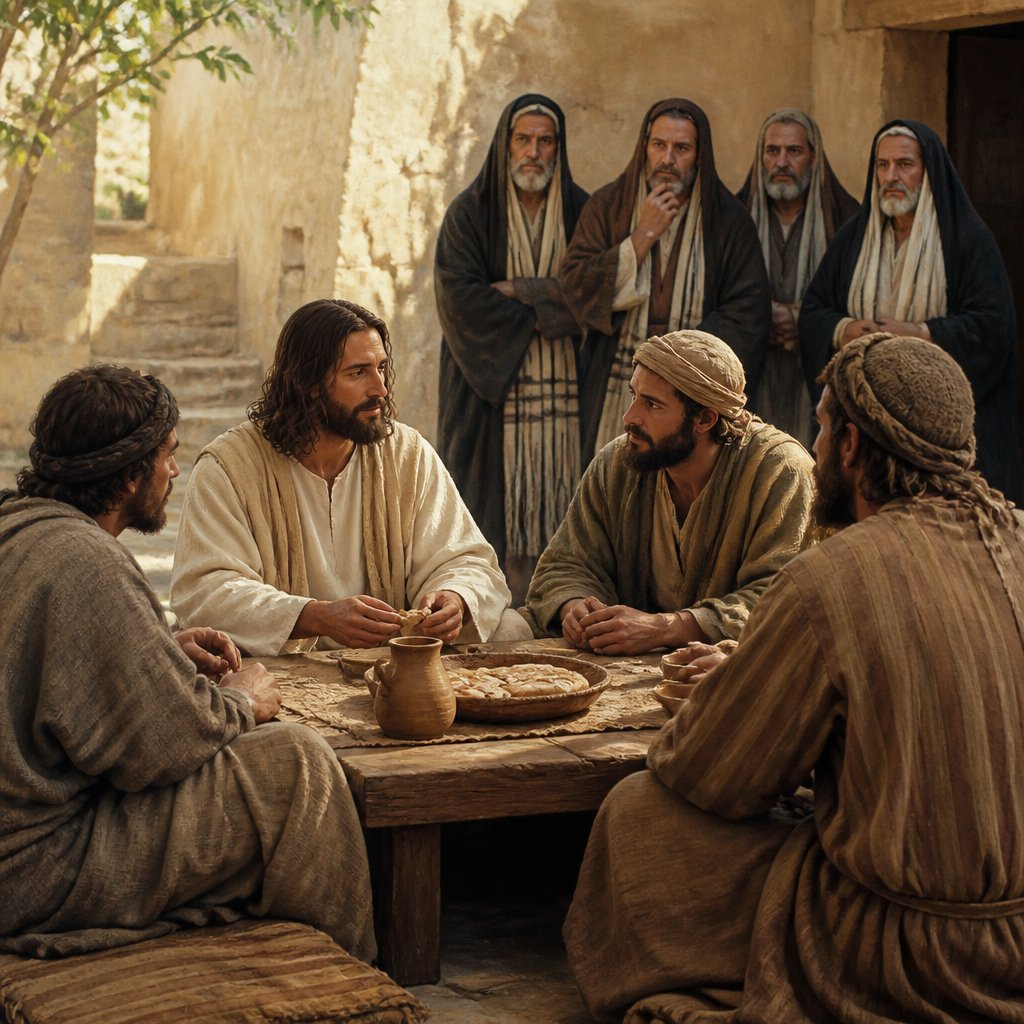
The passage in Mark 7:2 (KJV) states, "And when they saw some of his disciples eat bread with defiled, that is to say, with unwashen, hands, they found fault." This moment encapsulates much more than a mere observation of table manners; it highlights a common human tendency to become preoccupied with outward appearances, traditions, and ritualistic practices, while neglecting the deeper call to holiness and integrity of the heart.
The context of this event is essential. Jesus and His disciples were often at the center of public scrutiny, especially from the Pharisees and scribes—religious authorities known for their strict adherence to the Law and traditions. The act of eating with ‘defiled’ hands symbolized a breach of ceremonial law, which fueled their critical demeanor toward Jesus and His followers. However, herein lies the crux of the issue: the Pharisees equated their ritualistic purity to genuine righteousness.
Theologians often describe this as a ‘legalistic mindset’—where externals become the benchmark for holiness instead of the condition of one’s heart. The Pharisees had elevated tradition above truth. They failed to see that their criticisms lacked grace, compassion, and understanding of the heart of God’s law, which has always been about love, mercy, and genuine relationship. This invites us to consider our own practices within our spiritual lives and communities. Are we more focused on how things look on the outside rather than how they truly are on the inside?
When Jesus addressed the issue, He reframed the conversation, as He often did. He pointed out the heart of the matter by emphasizing that what truly defiles a person is not physical uncleanness or failing to adhere to certain rituals, but rather the sins that stem from within: malicious thoughts, pride, deceit, envy, and hatred. The heart, as Scriptures tell us in Matthew 15:18 (KJV), "But those things which proceed out of the mouth come forth from the heart; and they defile the man." Holiness cannot be achieved through mere adherence to external rules; it is cultivated through a transformed heart that seeks to align with God’s will.
In our own spiritual walks, we must continually assess our motivations and practices. Do we, like the Pharisees, place an excessive emphasis on external measures of faith? It is easy to become consumed by programs, attendance, or rituals while neglecting the essential relational aspect of faith that Jesus emphasizes. True worship, as Jesus declared in John 4:24 (KJV), is about worshipping the Father in spirit and in truth. This transcends physical acts and rituals; it calls for deep, intimate connection with God that expresses itself through our words, actions, and attitudes.
When we find ourselves becoming critical or judgmental toward others—looking for faults in their practices—let us remember the words of Paul in Romans 14:10 (KJV), "But why dost thou judge thy brother? or why dost thou set at nought thy brother? for we shall all stand before the judgment seat of Christ." Love calls us to uplift, to seek understanding, and to encourage one another in our spiritual journeys, rather than nitpicking rituals and practices.
In conclusion, let the account in Mark 7:2 challenge us continually to examine our hearts. Are they clean and aligned with God’s purposes? Just as we strive for cleanliness, let us also embolden each other to nurture hearts that are pure and holy, reflecting the grace and truth of Jesus Christ. Rituals can serve as tools in our spiritual disciplines, but they must never replace the relational, heart-focused pursuit of God. May we find grace to extend love and understanding, living out the true essence of our faith that goes beyond the surface.
Want to reflect more on Mark 7:2?
Continue your spiritual journey with Bible Chat — an AI-powered tool for exploring God's Word through conversation. Ask questions, discover connections, and deepen your understanding.
Get Our Apps


Mark 7:2 Artwork

Mark 7:2 - "And when they saw some of his disciples eat bread with defiled, that is to say, with unwashen, hands, they found fault."
"And when they saw some of his disciples eat bread with defiled, that is to say, with unwashen, hands, they found fault." - Mark 7:2

Mark 2:7 - "Why doth this man thus speak blasphemies? who can forgive sins but God only?"

Mark 13:7

Mark 13:7

Mark 8:7

Mark 13:7

Mark 7:7 - "Howbeit in vain do they worship me, teaching for doctrines the commandments of men."

Mark 7:31-37

Mark 7:31-37
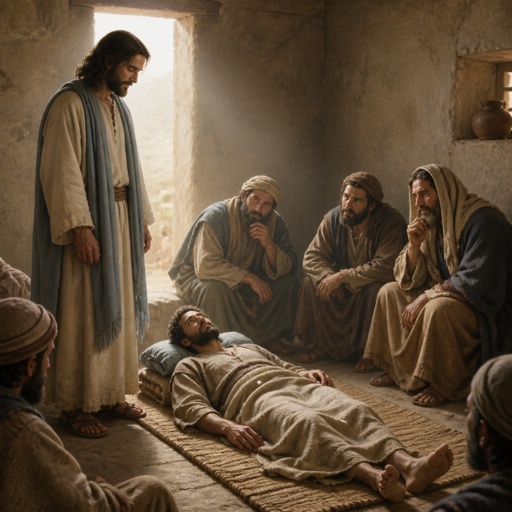
"Why doth this man thus speak blasphemies? who can forgive sins but God only?" - Mark 2:7

Mark 2:2

Mark 7:7 (KJVA) 7 Howbeit in vain do they worship me, teaching for doctrines the commandments of men.

Mark 7:7 (KJVA) 7 Howbeit in vain do they worship me, teaching for doctrines the commandments of men.

Mark 7:7 (KJVA) 7 Howbeit in vain do they worship me, teaching for doctrines the commandments of men.

Mark 7:7 (KJVA) 7 Howbeit in vain do they worship me, teaching for doctrines the commandments of men.

Mark 7:7 (KJVA) 7 Howbeit in vain do they worship me, teaching for doctrines the commandments of men.

Mark 7:7 (KJVA) 7 Howbeit in vain do they worship me, teaching for doctrines the commandments of men.

Mark 7:7 (KJVA) 7 Howbeit in vain do they worship me, teaching for doctrines the commandments of men.

Mark 7:16 - "If any man have ears to hear, let him hear."

Mark 7:20 - "And he said, That which cometh out of the man, that defileth the man."

Mark 2

Mark 2

Mark 7:23 - "All these evil things come from within, and defile the man."

Mark 9:2 Show only 4 people Show a mountain area According to Mark 9:2

Mark 7:7 Howbeit in vain do they worship me, teaching for doctrines the commandments of men.

Mark 7:34 - "And looking up to heaven, he sighed, and saith unto him, Ephphatha, that is, Be opened."

Mark 4:7 - "And some fell among thorns, and the thorns grew up, and choked it, and it yielded no fruit."

Mark 10:7 - "For this cause shall a man leave his father and mother, and cleave to his wife;"

mark 2:4