Honoring Authority: A Divine Command
"For Moses said, Honour thy father and thy mother; and, Whoso curseth father or mother, let him die the death:" - Mark 7:10
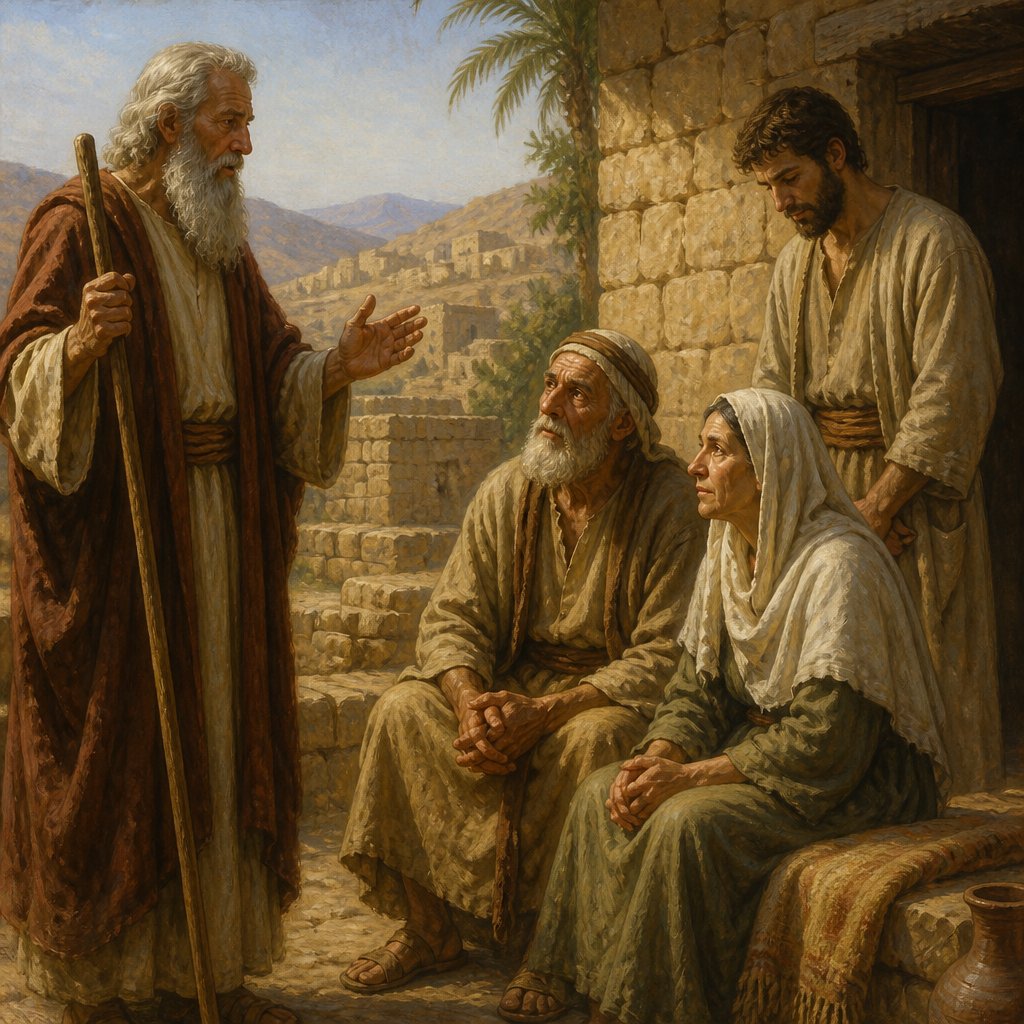
In Mark 7:10, we encounter a significant admonition rooted in Old Testament law, as Jesus confronts the Pharisees and scribes with the weighty truth of honoring one’s parents. The King James Version (KJV) presents the verse, saying: "For Moses said, Honour thy father and thy mother; and, Whoso curseth father or mother, let him die the death." This verse serves as the foundation for a powerful discourse about the nature of authority, obedience, and the moral responsibility to honor our parents—a concept that transcends time and culture, and holds deep implications within our modern lives.
To truly grasp the gravity of this statement, we must turn back to the framework of the Ten Commandments, where the call to honor one’s parents is stated clearly in Exodus 20:12. This command is not merely about obedience; it is about recognizing the ordained structure of society and the value God places on familial relationships. In a time when individualism often overshadows communal and family responsibilities, understanding the significance of honoring our parents is more critical than ever.
Honor is an action and an attitude; it involves showing deep respect, love, and valuing the position our parents hold in our lives. In the Hebrew context, the term 'honor' encompasses a weighty sense of respect—not just superficial obedience, but a genuine reverence for the sacrifices and roles that parents undertake in their children’s lives. Parents are typically our first teachers; they shape our character, impart values, and guide us through the complexities of life. Thus, honoring them reflects our understanding of God’s design for family and authority.
Jesus emphasizes the dire consequences of cursing one’s parents, citing that such a person is worthy of death. At first glance, this severity seems harsh; however, it illustrates the seriousness with which God regards parental authority. To curse one’s parents is an act of rebellion against not just the individuals, but against the very structure that God has ordained in order to maintain order in society. It portrays a heart that resists God's sovereignty and devalues the character and experience that parents provide.
Moreover, in the context of Mark 7, Jesus is addressing a group of religious leaders who had circumvented God’s commandments by placing their traditions above scriptural truth. They had developed laws that allowed them to neglect their responsibilities towards their parents, proclaiming that their wealth or gifts to the temple excused them from honoring those who brought them into the world. Here, Jesus firmly rebukes this hypocrisy, challenging us to consider whether we too might manipulate God’s commands to justify self-serving behavior.
As Christians today, this call to honor our parents extends beyond mere obedience; it serves as a reminder to uphold genuine respect, empathy, and care of our parents, especially as they age and become more dependent. It also calls for a reflective examination of our attitudes toward authority figures in general. Scripture emphasizes that all authority is established by God (Romans 13:1), and as we honor our parents, we are also preparing ourselves to honor the structures of authority placed in our lives, including leaders, teachers, and others who are charged with guiding and influencing us.
In practical terms, honoring our parents may look different in each situation: it can involve acts of service, meaningful conversation, resolution of past conflicts, or simply a consistent effort to express love and appreciation. As we practice honoring our parents, we cultivate a heart of gratitude, humility, and respect, fostering an environment that resonates with God’s design for love and authority.
In closing, let our hearts resonate with the command of Mark 7:10 and renew our commitment to honoring our fathers and mothers. May we take this instruction to heart, understanding its depth and implications not just within our families but also in the broader fabric of our society. Let us strive to live out this divine directive as a testament to our faith and obedience in Christ.
Want to reflect more on Mark 7:10?
Continue your spiritual journey with Bible Chat — an AI-powered tool for exploring God's Word through conversation. Ask questions, discover connections, and deepen your understanding.
Get Our Apps


Mark 7:10 Artwork
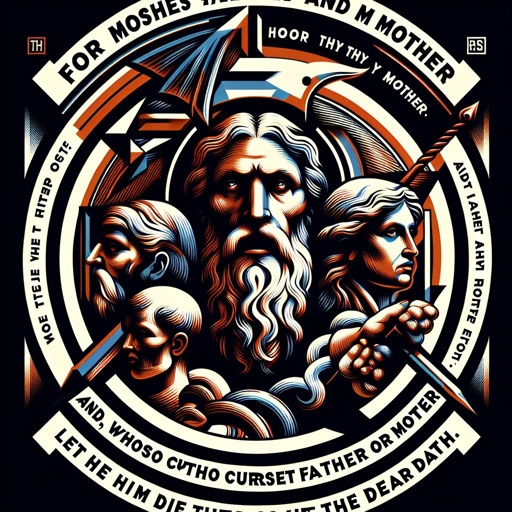
Mark 7:10 - "For Moses said, Honour thy father and thy mother; and, Whoso curseth father or mother, let him die the death:"

Mark 7:10 For Moses said, ‘Honor your father and your mother’; and, ‘He who curses father or mother, let him be put to death.’
Mark 7:10 For Moses said, ‘Honor your father and your mother’; and, ‘He who curses father or mother, let him be put to death.’

Mark 7:10 For Moses said, ‘Honor your father and your mother’; and, ‘He who curses father or mother, let him be put to death.’
"For Moses said, Honour thy father and thy mother; and, Whoso curseth father or mother, let him die the death:" - Mark 7:10

Mark 10:7 - "For this cause shall a man leave his father and mother, and cleave to his wife;"
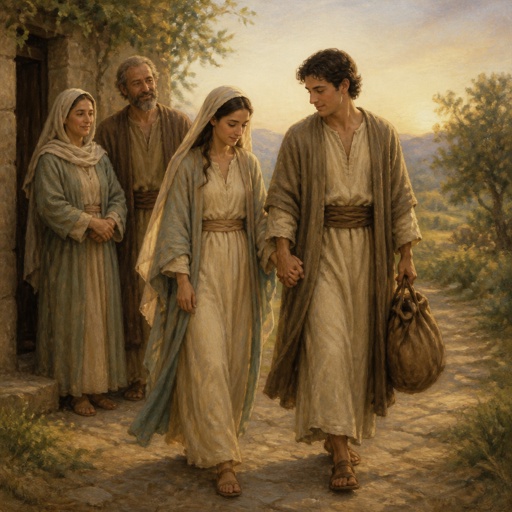
"For this cause shall a man leave his father and mother, and cleave to his wife;" - Mark 10:7

Mark 10
Mark 10
Mark 10
Mark 10

Mark 2:10
Mark 10:46

Mark 10:31

Mark 10:10 - "And in the house his disciples asked him again of the same matter."
Mark 10:46

Mark 10:46

Mark 13:7

Mark 13:7

Mark 8:7

Mark 13:7

Mark 10:35-45

Mark 10:17-30

Mark 10:35-45

Mark 10:13–16

Mark 7:7 - "Howbeit in vain do they worship me, teaching for doctrines the commandments of men."

Mark 10:17-30

Mark 10:35-45

Mark 10:35-45

Mark 7:31-37