Confrontation and Clarity: The Call to True Worship
"Then came together unto him the Pharisees, and certain of the scribes, which came from Jerusalem." - Mark 7:1
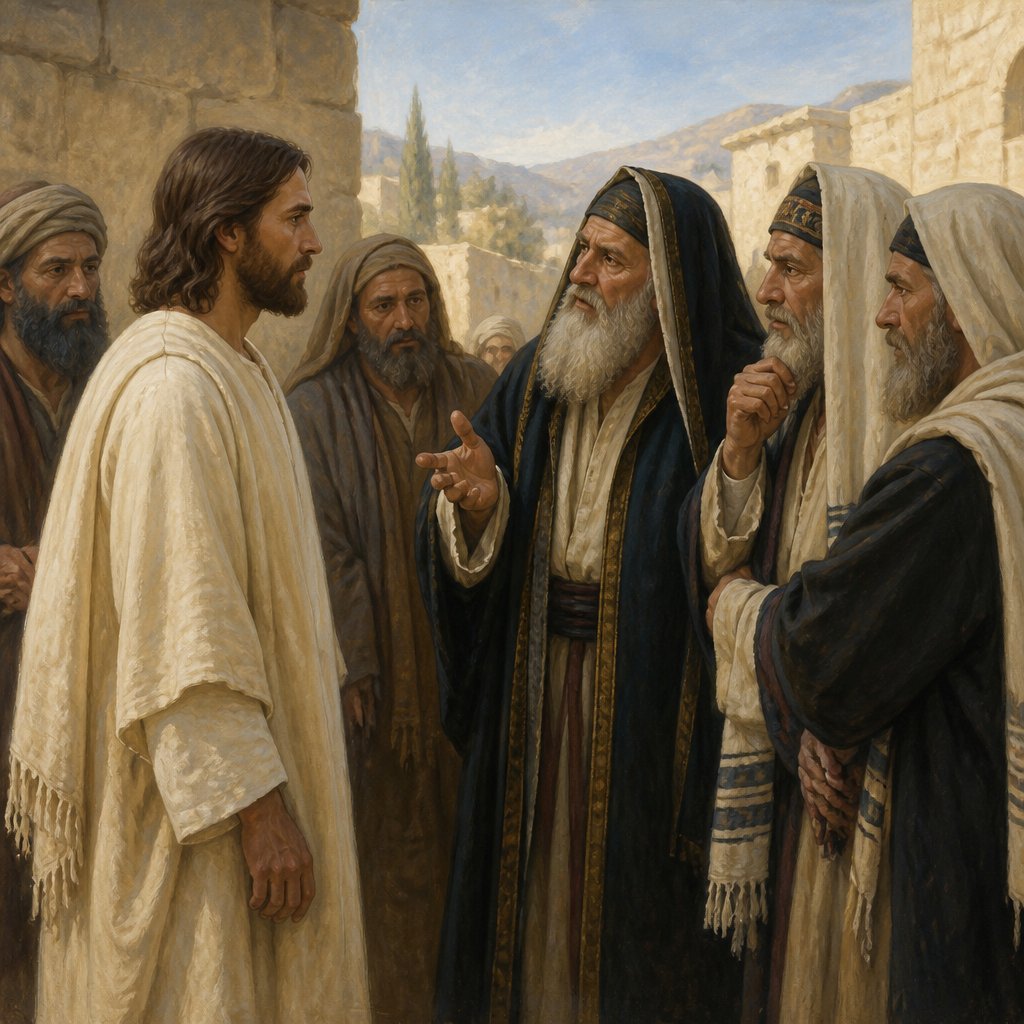
The scene unfolds in Mark 7:1, where we find the Pharisees and a group of scribes approaching Jesus with a sense of authority and intention: "Then came together unto him the Pharisees, and certain of the scribes, which came from Jerusalem." As we delve into this passage, it is paramount to examine the context and the implications of this confrontation, which resonates deeply with contemporary believers.
The Pharisees were a sect known for devout observance of the Law and strict adherence to oral traditions. They had elevated their traditions to a level rivaling God’s commandments, resulting in an environment where their interpretation of faith became more about rule-following than heart transformation. The scribes, on the other hand, were the experts in the law—those who interpreted and taught it. This gathering of elite religious leaders serves a clear purpose: to scrutinize Jesus’ ministry and gather evidence against Him.
Reflecting on this passage, one cannot ignore the significance of coming from Jerusalem. Jerusalem represented the epicenter of Jewish authority and tradition. The leaders arriving from there indicates that they came with a mandate, a determination to uphold the status quo against what they viewed as a disruptive force in their religious system—Jesus of Nazareth. Their confrontation sets the stage for a larger discourse about what it means to truly honor God amidst the complexities of tradition and ritual.
This encounter forces us to grapple with a critical question: What do we value in our worship? In our quest for a relationship with God, do we mistakenly prioritize tradition over true intimacy? Just as the Pharisees were focused on external purity, we may find ourselves caught in the trap of appearances—focusing on how things look instead of the condition of our hearts. This mirrors a much-needed call for self-reflection: Is our faith more concerned with protocol than with pursuit?
The arrival of the Pharisees is similar to the moments when the spirit of legalism creeps into our lives, demanding that we measure our worthiness by our actions rather than grace. It invites a profound examination of how we approach God—not with our performances, but with a heart willing to surrender and be transformed. Jesus sees through the surface-level righteousness of the Pharisees and challenges their understanding of purity in a way that is both revolutionary and deeply spiritual.
As the narrative unfolds in Mark, we witness Jesus responding to the religious leaders with unparalleled wisdom. He often turns their arguments back at them, revealing their misguided perceptions and shedding light on the heart of the Law—love, mercy, and justice. This is the essence of Jesus’ message: that true worship emanates not from external compliance, but from internal conviction.
In our own spiritual journeys, we must contend with the challenge of realigning our worship. It is easy to slip into patterns that reflect tradition rather than authentic connection with God. Prayer becomes routine, Bible study becomes a checklist, and worship becomes a performance instead of a genuine offering of our lives. This confrontation serves as a powerful reminder that God desires our hearts, not mere ritual.
Therefore, let us take a moment in prayer and reflection, asking God to illuminate areas where we may be adhering to traditions that do not bear fruit in our spiritual lives. Are there practices we engage in that distract us from a heartfelt relationship with our Creator? Are we holding firm to habits that silence the call to deeper intimacy with Jesus?
In conclusion, as we meditate on Mark 7:1, let us allow this confrontation to foster clarity in our faith. Our walk with the Lord should not be a facsimile of religious obligation but a dynamic and vibrant relationship fueled by genuine love for Him and others. May we approach Him with open hearts, ready to receive His transformative grace, and worship Him in spirit and truth.
Want to reflect more on Mark 7:1?
Continue your spiritual journey with Bible Chat — an AI-powered tool for exploring God's Word through conversation. Ask questions, discover connections, and deepen your understanding.
Get Our Apps


Mark 7:1 Artwork

Mark 7:1 - "Then came together unto him the Pharisees, and certain of the scribes, which came from Jerusalem."
"Then came together unto him the Pharisees, and certain of the scribes, which came from Jerusalem." - Mark 7:1
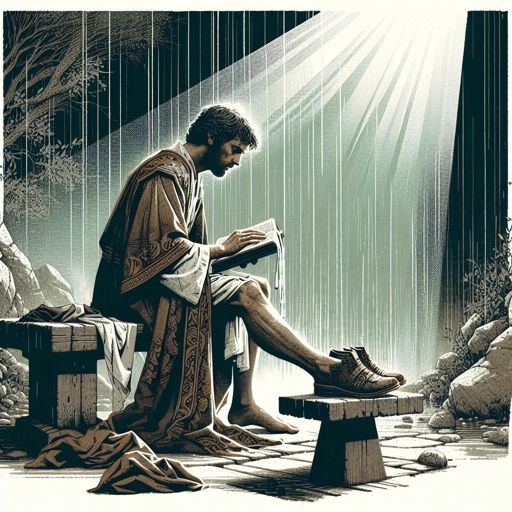
Mark 1:7 - "And preached, saying, There cometh one mightier than I after me, the latchet of whose shoes I am not worthy to stoop down and unloose."

Mark 13:7

Mark 13:7

Mark 8:7

Mark 13:7

Mark 7:7 - "Howbeit in vain do they worship me, teaching for doctrines the commandments of men."

Mark 7:31-37

Mark 7:31-37

Mark 7:7 (KJVA) 7 Howbeit in vain do they worship me, teaching for doctrines the commandments of men.

Mark 7:7 (KJVA) 7 Howbeit in vain do they worship me, teaching for doctrines the commandments of men.

Mark 7:7 (KJVA) 7 Howbeit in vain do they worship me, teaching for doctrines the commandments of men.

Mark 7:7 (KJVA) 7 Howbeit in vain do they worship me, teaching for doctrines the commandments of men.

Mark 7:7 (KJVA) 7 Howbeit in vain do they worship me, teaching for doctrines the commandments of men.

Mark 7:7 (KJVA) 7 Howbeit in vain do they worship me, teaching for doctrines the commandments of men.

Mark 7:7 (KJVA) 7 Howbeit in vain do they worship me, teaching for doctrines the commandments of men.

Mark 7:20 - "And he said, That which cometh out of the man, that defileth the man."

Mark 7:16 - "If any man have ears to hear, let him hear."

Mark 7:23 - "All these evil things come from within, and defile the man."

Mark 7:7 Howbeit in vain do they worship me, teaching for doctrines the commandments of men.
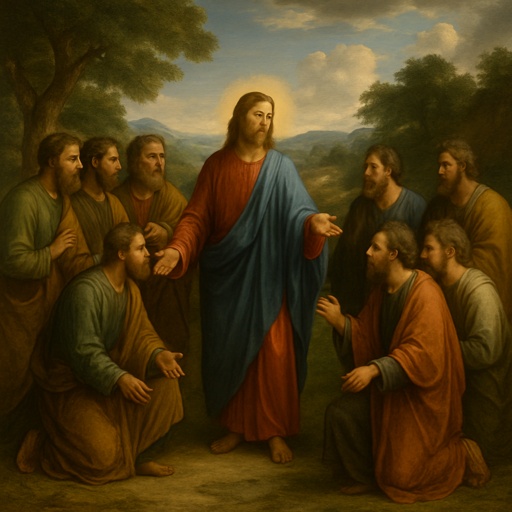
Mark 6:7 says that Jesus called his twelve disciples and began to send them out two by two, giving them authority over unclean spirits.

Mark 7:34 - "And looking up to heaven, he sighed, and saith unto him, Ephphatha, that is, Be opened."

Mark 10:7 - "For this cause shall a man leave his father and mother, and cleave to his wife;"

Mark 4:7 - "And some fell among thorns, and the thorns grew up, and choked it, and it yielded no fruit."

Mark 11:7 - "And they brought the colt to Jesus, and cast their garments on him; and he sat upon him."

Mark 7:12 - "And ye suffer him no more to do ought for his father or his mother;"

Mark 7:22 - "Thefts, covetousness, wickedness, deceit, lasciviousness, an evil eye, blasphemy, pride, foolishness:"

Mark 7:21 - "For from within, out of the heart of men, proceed evil thoughts, adulteries, fornications, murders,"

Mark 7:3 - "For the Pharisees, and all the Jews, except they wash their hands oft, eat not, holding the tradition of the elders."