Familiarity Breeds Contempt: A Reflection on Mark 6:3
"Is not this the carpenter, the son of Mary, the brother of James, and Joses, and of Juda, and Simon? and are not his sisters here with us? And they were offended at him." - Mark 6:3
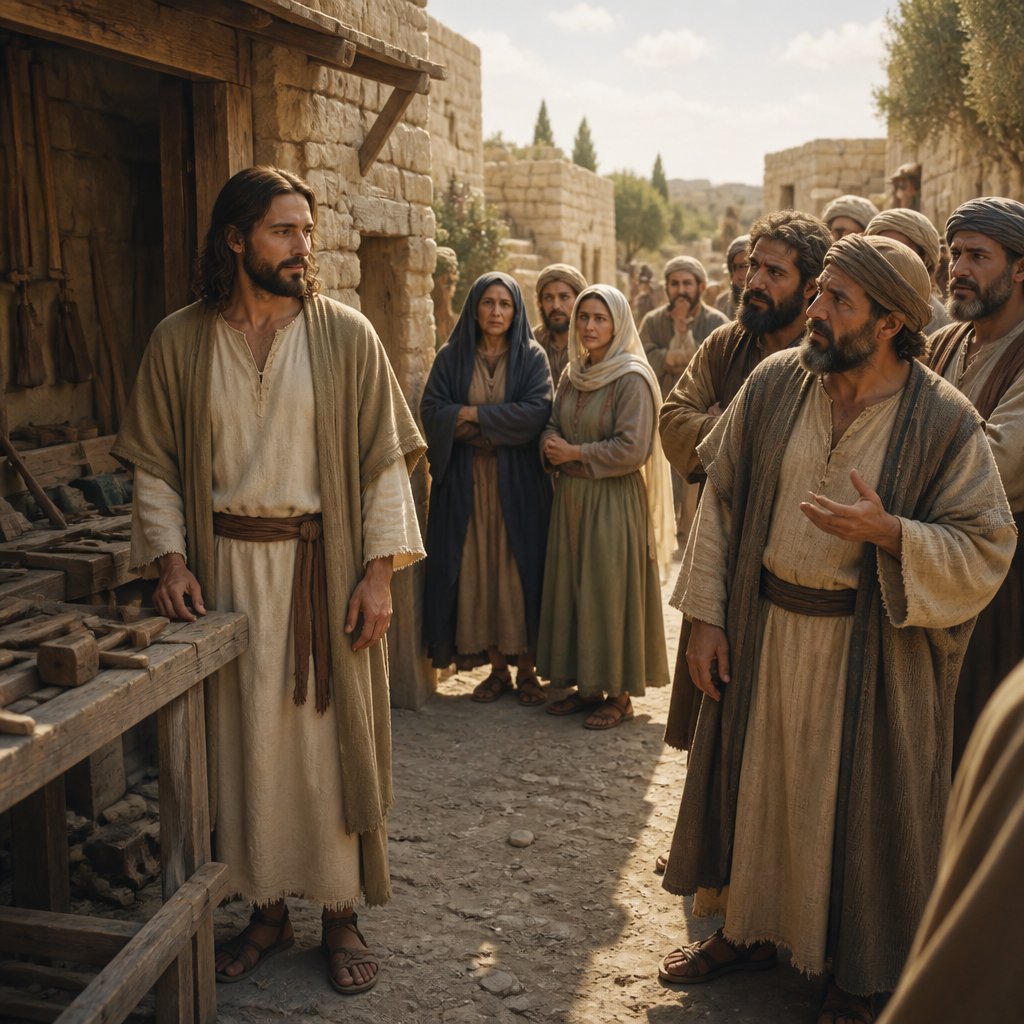
Mark 6:3 (KJV): "Is not this the carpenter, the son of Mary, the brother of James, and Joses, and of Juda, and Simon? and are not his sisters here with us? And they were offended at him."
As we delve into the context of Mark 6:3, we find Jesus returning to His hometown, Nazareth, after a period of intensive ministry. He had been teaching in synagogues, performing miracles, and gaining a reputation as a profound healer and teacher. But upon His return, He encounters skepticism and disbelief from those who knew Him most closely. The townspeople could not reconcile the miraculous signs with their familiarity. They saw Him merely as "the carpenter, the son of Mary," and in doing so, they diminished His divinity.
This verse presents a rich tapestry of human emotions and divine reality. The people of Nazareth were unwilling to fathom that their familiar neighbor could embody divine authority. They essentially asked, "How can this man we have known all our lives, the son of Mary and a carpenter, claim to be anything more than what we see?" This rejection set the stage for one of the most poignant realizations in our faith journey: familiarity can often breed contempt.
Familiarity can cloud our spiritual vision. When we become accustomed to something or someone, it is easy to overlook their significance. In their minds, the residents of Nazareth had put Jesus into a box, refusing to recognize Him as anything above ordinary. Their preconceived notions barred them from seeing the miraculous things He was willing to do for them. How often do we overlook the greatness of God in our own lives because we have grown accustomed to the everyday workings of faith? We may praise Him for His creativity, love, or guidance, yet when it comes to the mundane—like a common carpentry job, or daily routines—we may fail to invite Him into those areas of our lives.
In our daily lives, we can mirror the attitude of Nazareth by allowing the routine to overshadow the miraculous nature of God. It draws us into a false sense of security, blurring our capacity to see God’s hand in our families, workplaces, and communities. Just as the townsfolk were offended, we too may find ourselves offended or skeptical of God's movement when it shows up in unexpected places or through unexpected people.
The term "offended" used in this verse signifies a deeper meaning—disbelief. The root of their offense lay in their inability to reconcile what they knew of Jesus with what He claimed to be. Our doubt can become an offense to God, particularly when we fail to place our faith in His capabilities. When we limit God, we not only restrict our understanding but also block our blessings. The townsfolk forfeited the chance to witness His power purely because they were anchored to their limited perspective on His identity.
But, let us reflect on what this means for us. How can we nourish a deep relationship with Christ amidst our familiarity?
1. **Cultivate Awe**: Make space to revisit your awe of God. Consider His creation, His sacrifice, and the countless miracles in your life that reflect His love.
2. **Challenge Your Assumptions**: Allow yourself to question your expectations. Are you locking God into a specific way of working in your life? Keep your heart open to receiving Him in any form.
3. **Seek the Unexpected**: Look for God in the unassuming and ordinary. Whether in a kind gesture from a neighbor or a lesson learned through hardship, let the unexpected lead you to worship.
4. **Invite Him In**: Consistently invite God into every aspect of your life—work, family, leisure. When we acknowledge His presence in the mundane, we restore His sovereignty in all matters.
In conclusion, as we ponder Jesus’ experience in Nazareth, let us remove the blinders of familiarity. May we strive to expand our hearts and minds to the infinite possibilities of who He is and how He chooses to move among us. Remember, the carpenter of Nazareth is much more than His humble origins; He is the Creator, the Redeemer, the Lord of all. Let us not be like the people of Nazareth who were offended, but rather be those who embrace and celebrate the fullness of Christ in our everyday lives.
Want to reflect more on Mark 6:3?
Continue your spiritual journey with Bible Chat — an AI-powered tool for exploring God's Word through conversation. Ask questions, discover connections, and deepen your understanding.
Get Our Apps


Mark 6:3 Artwork

Mark 6:3 - "Is not this the carpenter, the son of Mary, the brother of James, and Joses, and of Juda, and Simon? and are not his sisters here with us? And they were offended at him."
"Is not this the carpenter, the son of Mary, the brother of James, and Joses, and of Juda, and Simon? and are not his sisters here with us? And they were offended at him." - Mark 6:3

Mark 3:6 - "And the Pharisees went forth, and straightway took counsel with the Herodians against him, how they might destroy him."

Mark 6:1-6
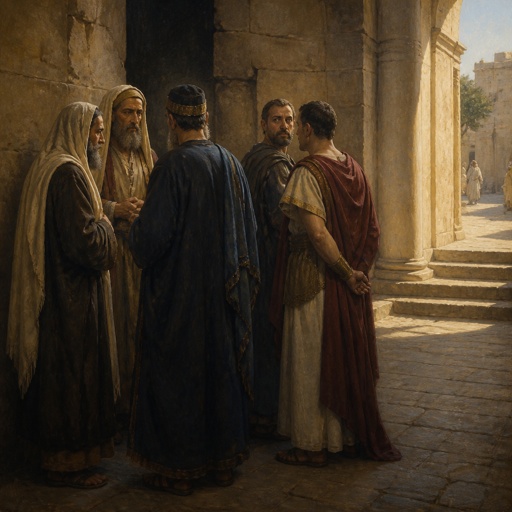
"And the Pharisees went forth, and straightway took counsel with the Herodians against him, how they might destroy him." - Mark 3:6

Mark 16:6-8

Mark 16:6-8

Mark 6:6 - "And he marvelled because of their unbelief. And he went round about the villages, teaching."

Mark 16:6-8

Mark 3:3 - "And he saith unto the man which had the withered hand, Stand forth."

Mark 6:32 - "And they departed into a desert place by ship privately."

Mark 6:52 - "For they considered not the miracle of the loaves: for their heart was hardened."

Mark 6:9 - "But be shod with sandals; and not put on two coats."

Mark 6:40 - "And they sat down in ranks, by hundreds, and by fifties."

Mark 6:42 - "And they did all eat, and were filled."

Mark 3:31-34

Mark 3:16 - "And Simon he surnamed Peter;"

Mark 2:6 - "But there were certain of the scribes sitting there, and reasoning in their hearts,"
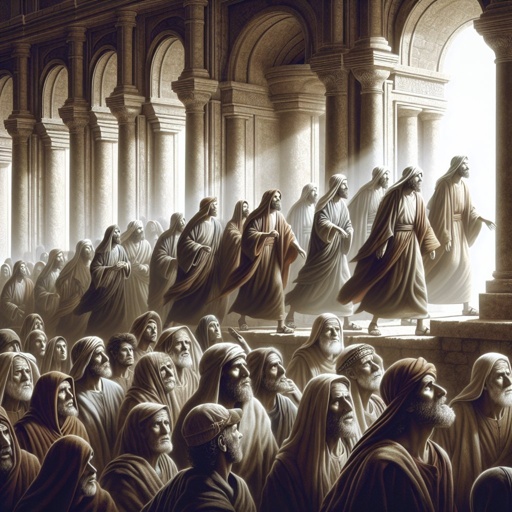
Mark 6:12 - "And they went out, and preached that men should repent."

Mark 6:43 - "And they took up twelve baskets full of the fragments, and of the fishes."

Mark 9:6 - "For he wist not what to say; for they were sore afraid."

Mark 4:3 - "Hearken; Behold, there went out a sower to sow:"

Mark 6:44 - "And they that did eat of the loaves were about five thousand men."

Mark 6:15 - "Others said, That it is Elias. And others said, That it is a prophet, or as one of the prophets."

Mark 3:30 - "Because they said, He hath an unclean spirit."

Mark 10:6 - "But from the beginning of the creation God made them male and female."

Mark 6:54 - "And when they were come out of the ship, straightway they knew him,"

Mark 3:15 - "And to have power to heal sicknesses, and to cast out devils:"

Mark 6:47 - "And when even was come, the ship was in the midst of the sea, and he alone on the land."

Mark 3:24 - "And if a kingdom be divided against itself, that kingdom cannot stand."