The Authority of Forgiveness
"But that ye may know that the Son of man hath power on earth to forgive sins, (he saith to the sick of the palsy,)" - Mark 2:10
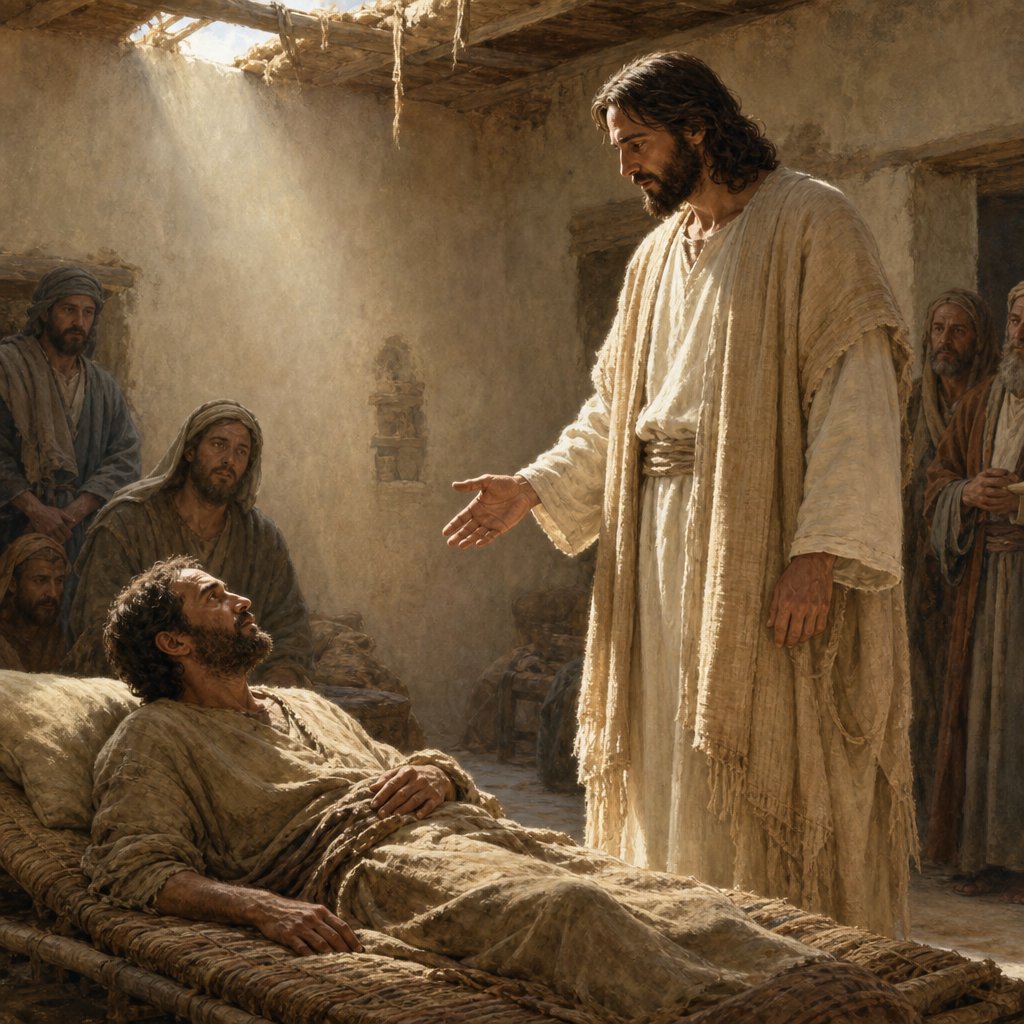
In Mark 2:10, we encounter an extraordinary moment in the ministry of Jesus. The King James Version presents it with the profound declaration: "But that ye may know that the Son of man hath power on earth to forgive sins, (he saith to the sick of the palsy)." This statement is not just a proclamation of Jesus’ authority, but it redefines the understanding of forgiveness and healing in our lives.
To grasp the significance of this verse, we must consider the broader context. Jesus had just been teaching in Capernaum when a group of men brought a paralyzed friend to Him. Unable to enter the house due to the crowd, they demonstrated remarkable faith and ingenuity by opening the roof and lowering the man down to Jesus. Upon seeing their faith, Jesus first speaks to the paralytic, saying, "Son, thy sins be forgiven thee" (Mark 2:5). The Pharisees, witnessing this, immediately questioned His authority internally, asking in their hearts, "Who can forgive sins but God only?" (Mark 2:7). In a remarkable demonstration of both His understanding and authority, Jesus perceives their thoughts and responds by asking, "Whether is it easier to say to the sick of the palsy, Thy sins be forgiven thee; or to say, Arise, and take up thy bed, and walk?" (Mark 2:9).
This particular verse encapsulates the essence of Jesus’ ministry. It reveals the dual purpose of His presence: to forgive sins and to heal lives. By declaring His authority to forgive sins, He is asserting His divine nature. Only God has the power to forgive, and His proclamation is both a reassurance for the paralyzed man and a bold claim that drew criticism from religious authorities.
Forgiveness is a paramount theme in the Christian faith. It is central to our relationship with God and with one another. In a world burdened by guilt, shame, and broken relationships, the power of forgiveness stands as a beacon of hope. When Jesus extends forgiveness to the paralytic, He is reestablishing this man in his community and before God. Sin often alienates us; it distances us from our true selves and from others. However, when Jesus forgives, He not only wipes the slate clean but reinstates the individual into a position of grace and acceptance.
Yet, forgiveness is more than a mere legal declaration; it is transformational. The verb "hath power" indicates an ongoing condition. The authority of Jesus to forgive sins is not limited to this event but persists into every aspect of our lives today. Through His sacrifice on the cross, we are fortunate to live in an age where forgiveness is accessible continuously. His power liberates us from the grip of sin and opens the pathway to a restored relationship with God.
Furthermore, through the act of healing the paralytic after declaring forgiveness, Jesus illustrates that physical and spiritual healing are intertwined. Our need for healing can manifest in various forms; sometimes we seek physical health, while other times our hearts ache with unforgiveness or pain from past traumas. By forgiving first, Jesus prioritizes the man’s deepest need – reconciliation with God and himself. The command to rise and walk signifies that when we are restored spiritually, our lives can also begin to flourish physically and emotionally.
As we reflect on Mark 2:10, let us recognize the comprehensive authority of Christ in our lives. He came to seek and to save the lost, to heal the brokenhearted, and to provide forgiveness – a gift we can accept daily. Are there areas in your life where you need to experience His forgiving power? Take heart, for Jesus – the Son of Man – possesses the authority to forgive, heal, and transform your life entirely.
Want to reflect more on Mark 2:10?
Continue your spiritual journey with Bible Chat — an AI-powered tool for exploring God's Word through conversation. Ask questions, discover connections, and deepen your understanding.
Get Our Apps


Mark 2:10 Artwork

Mark 2:10

Mark 2:10 - "But that ye may know that the Son of man hath power on earth to forgive sins, (he saith to the sick of the palsy,)"
"But that ye may know that the Son of man hath power on earth to forgive sins, (he saith to the sick of the palsy,)" - Mark 2:10

Mark 10:2 - "¶ And the Pharisees came to him, and asked him, Is it lawful for a man to put away his wife? tempting him."

Mark 10
Mark 10

Mark 10

Mark 10

Mark 10:46

Mark 10:31

Mark 10:10 - "And in the house his disciples asked him again of the same matter."
Mark 10:46

Mark 10:46

Mark 10:35-45

Mark 10:17-30

Mark 10:35-45

Mark 10:13–16

Mark 10:17-30

Mark 10:35-45

Mark 10:35-45

Mark 10:44 - "And whosoever of you will be the chiefest, shall be servant of all."

Mark 10:31 - "But many that are first shall be last; and the last first."

Mark 13:10 - "And the gospel must first be published among all nations."

Mark 2:2
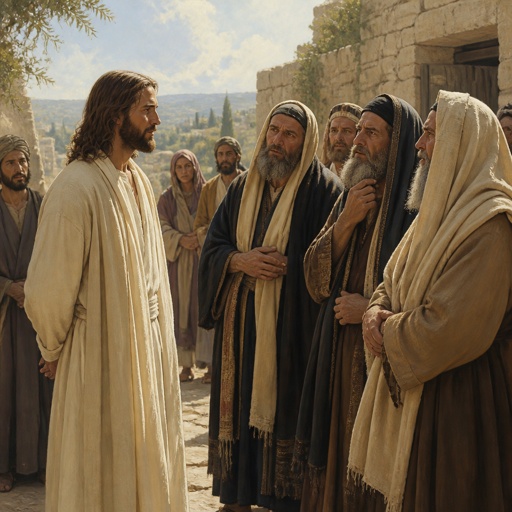
"¶ And the Pharisees came to him, and asked him, Is it lawful for a man to put away his wife? tempting him." - Mark 10:2

Mark 10:50 - "And he, casting away his garment, rose, and came to Jesus."

Mark 10:41 - "And when the ten heard it, they began to be much displeased with James and John."

Mark 10:6 - "But from the beginning of the creation God made them male and female."

Mark 15:10 - "For he knew that the chief priests had delivered him for envy."

Mark 10:8 - "And they twain shall be one flesh: so then they are no more twain, but one flesh."