The Vineyard of Grace: Understanding Our Response to God's Call
"And he began to speak unto them by parables. A certain man planted a vineyard, and set an hedge about it, and digged a place for the winefat, and built a tower, and let it out to husbandmen, and went into a far country. And at the season he sent to the husbandmen a servant, that he might receive from the husbandmen of the fruit of the vineyard. And they caught him, and beat him, and sent him away empty. And again he sent unto them another servant; and at him they cast stones, and wounded him in the head, and sent him away shamefully handled. And again he sent another; and him they killed, and many others; beating some, and killing some. Having yet therefore one son, his wellbeloved, he sent him also last unto them, saying, They will reverence my son. But those husbandmen said among thmselves, This is the heir; come, let us kill him, and the inheritance shall be ours. And they took him, and killed him, and cast him out of the vineyard. What shall therefore the lord of the vineyard do? he will come and destroy the husbandmen, and will give the vineyard unto others. And have ye not read this scripture; The stone which the builders rejected is become the head of the corner: This was the Lord's doing, and it is marvellous in our eyes? And they sought to lay hold on him, but feared the people: for they knew that he had spoken the parable against them: and they left him, and went their way." - Mark 12:1-12
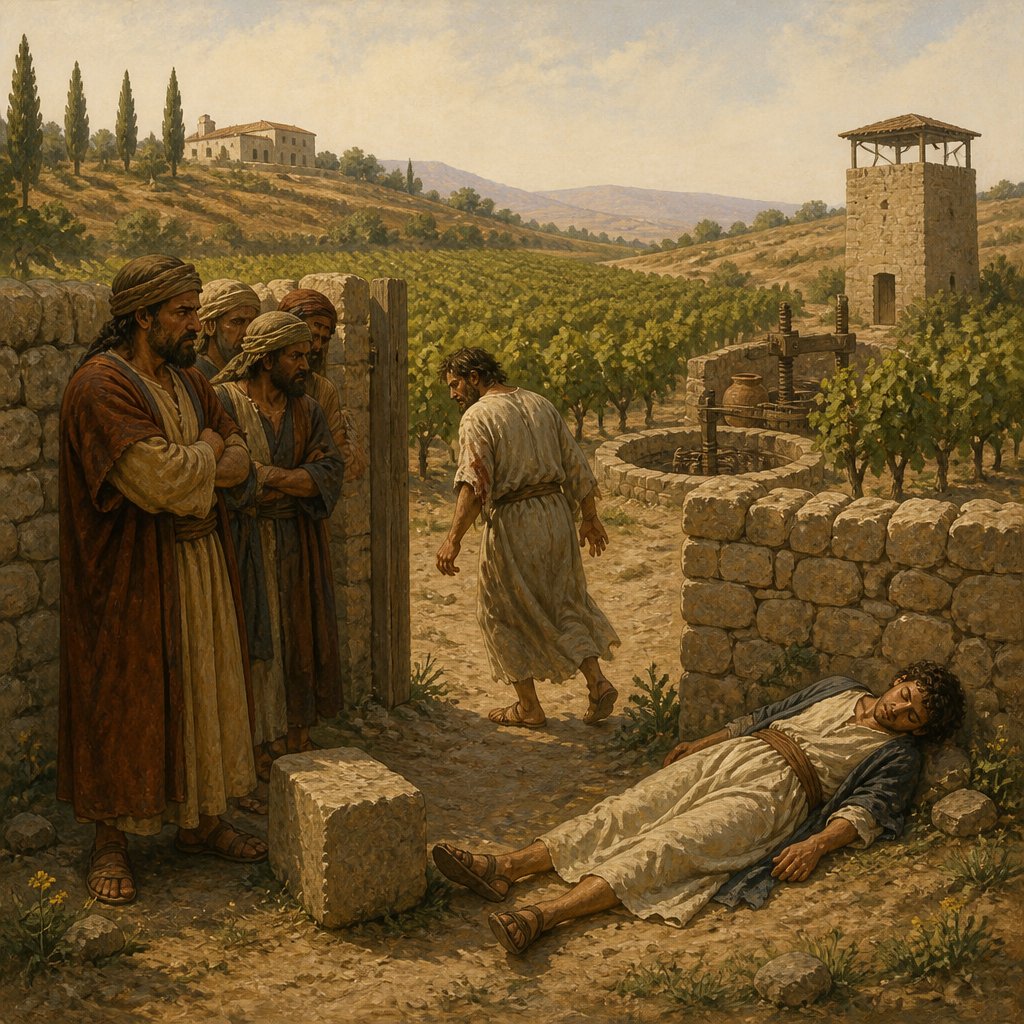
In Mark 12:1-12, we encounter one of Jesus’ most profound parables, a story laden with spiritual significance and a stark warning about the nature of our response to God’s grace. The parable of the vineyard not only illustrates God’s relationship with Israel but also sheds light on His painstaking pursuit of humanity, offering a picture of both grace and judgment.
The parable begins, "And he began to speak unto them by parables. A certain man planted a vineyard..." (Mark 12:1, KJV). The vineyard symbolizes God’s kingdom, a place where blessings are cultivated and fruit is expected. The man who planted it represents God Himself, who entrusts His creation to us, His servants. The work of planting and establishing had been thorough—He set a hedge about it, dug a winepress, built a tower, and then let it out to husbandmen (the tenants). This signifies God's care and preparation: He spares nothing for the flourishing of His vineyard.
Throughout the parable, we see that the master sends servants to receive the fruits of the vineyard, which represent the prophets sent by God throughout history. Each servant is met with hostility. The first is beaten, the second is stoned, and the third is killed. These actions symbolize Israel's long-standing rejection of God's messengers, a theme echoed throughout the Old Testament. It reflects humanity's tragic tendency to respond with violence and dismissal to God’s call. How often do we also treat His messages with indifference or scorn, ignoring the gentle nudges of His Spirit in our lives?
When the master sends his beloved son, expecting respect and reverence, the tenants conspire: "This is the heir; come, let us kill him, and the inheritance shall be ours" (Mark 12:7, KJV). This turning point in the parable makes clear the depths of human rebellion. The tenants, in their greed and hardness of heart, believed that by killing the son, they could claim the vineyard for themselves. This foreshadows the coming rejection of Jesus as the Son of God, demonstrating the ultimate consequence of rejecting divine authority.
As the parable closes with a question posed by Jesus, "What shall therefore the lord of the vineyard do?" (Mark 12:9, KJV), we are invited to ponder the seriousness of our spiritual state. The ensuing judgment of the husbandmen serves as a warning: God will take away the vineyard and give it to others. This part of the story reminds us that God’s purposes will prevail regardless of our actions. The kingdom of God cannot be thwarted; it will find a willing people to produce its fruits.
Moreover, Jesus references Psalm 118:22 when He proclaims, "The stone which the builders rejected is become the head of the corner" (Mark 12:10, KJV). This powerful imagery encapsulates the paradox of rejection leading to exaltation. Jesus, whom many rejected, becomes the cornerstone of our faith. For us, this serves as a reminder that in God’s economy, what seems like failure can lead to glorious fulfillment. When we accept Christ despite the world’s rejections, we affirm our place in His vine.
As we reflect on this parable, we must ask ourselves: are we cultivating our own vineyard with the fruits of obedience, respect, and love? Or are we, like the husbandmen, resistant to God’s call, leading ourselves to emptiness? God is constantly sending His message, expecting a response. Let us choose to be fruitful stewards of His grace, embracing the Son, who represents hope and redemption. For in reverencing Jesus and responding to His call, we discover not just our place in His vineyard, but the abundant life He promises to all who believe.
In conclusion, may our hearts not be like the hardened soil of the tenants but rather a fertile ground ready to receive His Word. Let us become the people God has called us to be—agents of His grace, producing bountiful fruits that reflect His marvelous work in our lives.
Want to reflect more on Mark 12:1-12?
Continue your spiritual journey with Bible Chat — an AI-powered tool for exploring God's Word through conversation. Ask questions, discover connections, and deepen your understanding.
Get Our Apps


Mark 12:1-12 Artwork

Mark 12:1-12 - "He then began to speak to them in parables: “A man planted a vineyard. He put a wall around it, dug a pit for the winepress and built a watchtower. Then he rented the vineyard to some farmers and moved to another place. At harvest time he sent a servant to the tenants to collect from them some of the fruit of the vineyard. But they seized him, beat him and sent him away empty-handed. Then he sent another servant to them; they struck this man on the head and treated him shamefully. He sent still another, and that one they killed. He sent many others; some of them they beat, others they killed. He had one left to send, a son, whom he loved. He sent him last of all, saying, ‘They will respect my son.’ But the tenants said to one another, ‘This is the heir. Come, let’s kill him, and the inheritance will be ours.’ So they took him and killed him, and threw him out of the vineyard. What then will the owner of the vineyard do? He will come and kill those tenants and give the vineyard to others. Haven’t you read this passage of Scripture: ‘The stone the builders rejected has become the cornerstone; the Lord has done this, and it is marvelous in our eyes’? Then the chief priests, the teachers of the law and the elders looked for a way to arrest him because they knew he had spoken the parable against them. But they were afraid of the crowd; so they left him and went away."
"He then began to speak to them in parables: “A man planted a vineyard. He put a wall around it, dug a pit for the winepress and built a watchtower. Then he rented the vineyard to some farmers and moved to another place. At harvest time he sent a servant to the tenants to collect from them some of the fruit of the vineyard. But they seized him, beat him and sent him away empty-handed. Then he sent another servant to them; they struck this man on the head and treated him shamefully. He sent still another, and that one they killed. He sent many others; some of them they beat, others they killed. He had one left to send, a son, whom he loved. He sent him last of all, saying, ‘They will respect my son.’ But the tenants said to one another, ‘This is the heir. Come, let’s kill him, and the inheritance will be ours.’ So they took him and killed him, and threw him out of the vineyard. What then will the owner of the vineyard do? He will come and kill those tenants and give the vineyard to others. Haven’t you read this passage of Scripture: ‘The stone the builders rejected has become the cornerstone; the Lord has done this, and it is marvelous in our eyes’? Then the chief priests, the teachers of the law and the elders looked for a way to arrest him because they knew he had spoken the parable against them. But they were afraid of the crowd; so they left him and went away." - Mark 12:1-12

mark 2:1-12

Mark 2:1-12

Mark 1:12 - "And immediately the Spirit driveth him into the wilderness."

Hosea 1:2-11;2:14;3:5
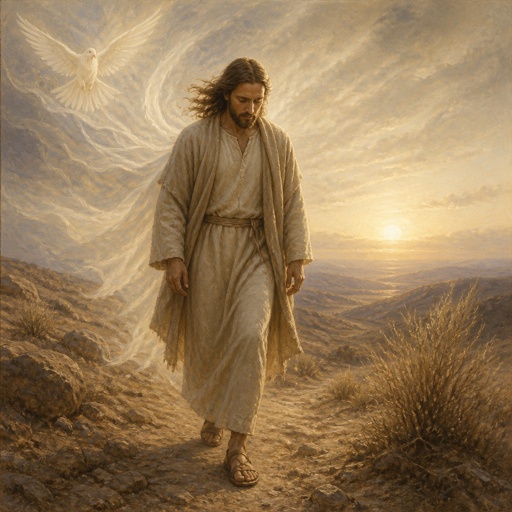
"And immediately the Spirit driveth him into the wilderness." - Mark 1:12

Mark 12:8

Mark 12:8

Mark 15:12

Mark 12:41 - 44
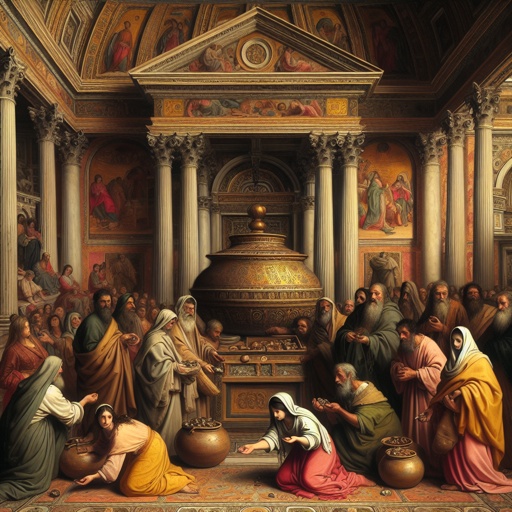
Mark 12:41 - 44

Mark 12:41 - 44

Mark 12:41 - 44

Mark 12:41 - 44

Mark 12:11 - "This was the Lord's doing, and it is marvellous in our eyes?"

Mark 12:12 - "And they sought to lay hold on him, but feared the people: for they knew that he had spoken the parable against them: and they left him, and went their way."

Acts 12:12 - "And when he had considered the thing, he came to the house of Mary the mother of John, whose surname was Mark; where many were gathered together praying."

Mark 12:39 - "And the chief seats in the synagogues, and the uppermost rooms at feasts:"
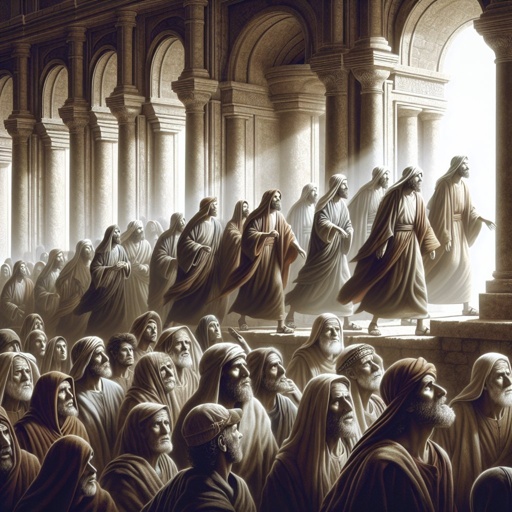
Mark 6:12 - "And they went out, and preached that men should repent."

Mark 3:12 - "And he straitly charged them that they should not make him known."

Mark 12:3 - "And they caught him, and beat him, and sent him away empty."

Mark 11:12 - "¶ And on the morrow, when they were come from Bethany, he was hungry:"

Mark 12:8 - "And they took him, and killed him, and cast him out of the vineyard."

Lamentations 3:12 - "He hath bent his bow, and set me as a mark for the arrow."

Mark 12:18 - "¶ Then come unto him the Sadducees, which say there is no resurrection; and they asked him, saying,"

Mark 12:1 - "And he began to speak unto them by parables. A certain man planted a vineyard, and set an hedge about it, and digged a place for the winefat, and built a tower, and let it out to husbandmen, and went into a far country."

Mark 12:13 - "¶ And they send unto him certain of the Pharisees and of the Herodians, to catch him in his words."

Mark 12:22 - "And the seven had her, and left no seed: last of all the woman died also."

Mark 12:27 - "He is not the God of the dead, but the God of the living: ye therefore do greatly err."