The Question of Identity: A Call to Deep Reflection
"¶ And it came to pass, as he was alone praying, his disciples were with him: and he asked them, saying, Whom say the people that I am?" - Luke 9:18
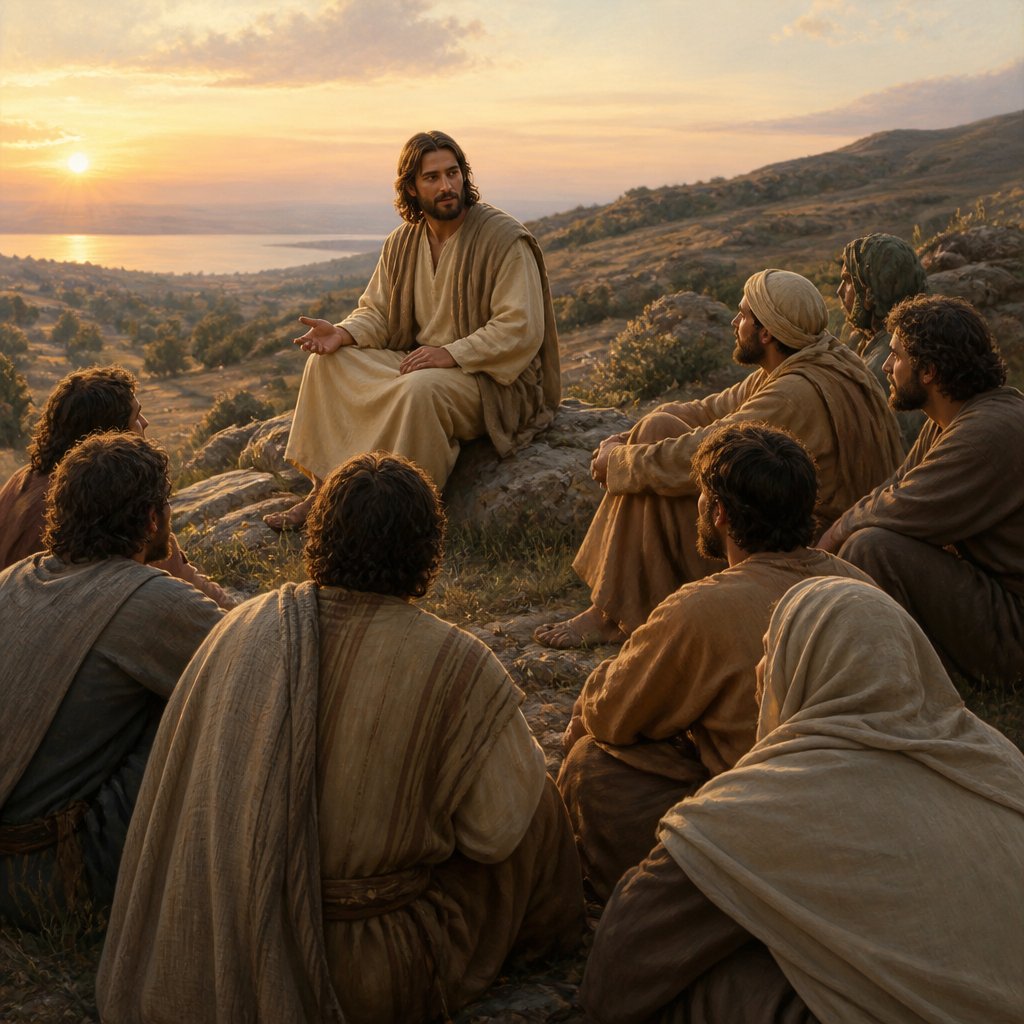
In the stillness of a solitary moment, the profound question that echoes through time resonates deeply with each of us. In Luke 9:18, we are offered a glimpse into an intimate moment between Jesus and His disciples: "And it came to pass, as he was alone praying, his disciples were with him: and he asked them, saying, Whom say the people that I am?" This verse captures not only the act of prayer that characterized Jesus' relationship with the Father but also the pivotal inquiry that reveals the essence of His identity.
Prayer is a thread that runs throughout the Gospels, symbolizing Jesus’s connection to God and His reliance on divine guidance. Before presenting a question that has monumental implications, Jesus pauses to commune with the Father. This moment illustrates a powerful principle in our own lives: before we seek understanding or affirmation from others, we must first seek the wisdom and clarity that comes from the Lord through prayer.
As Jesus stands alone in prayer, He is not void of connection; indeed, His disciples are present, witnessing a sacred dialogue that involves both solitude and community. This highlights the dual nature of our spiritual journeys; we are called to moments alone in the presence of God while also being surrounded by fellow believers. There is strength in community, but there is also vital revelation found in personal communion with God.
When questioning His disciples about the perception of His identity, Jesus poses a question that transcends time: "Whom say the people that I am?" This inquiry serves multiple purposes. Firstly, it acts as a mirror reflecting the prevailing opinions of the day, identifiable as both insightful and revealing, for it showcases the varied understandings of who Jesus is: a prophet, a teacher, or perhaps a mighty miracle worker. However, Jesus's intention reaches deeper as He invites His disciples—and us—to engage with their own understanding and relationship with Him.
This inquiry is deeply personal. Jesus asks this question not merely to gather information but to prod at the hearts and minds of those He has called to follow Him. He is encouraging them to reflect on their experiences with Him, to examine their beliefs, and to confront the reality of their relationship with the Son of God. To know Jesus is to experience Him intimately; knowledge without relationship is merely information without transformation. Where do we stand in our acknowledgment of who Jesus is in our lives? Are we echoing the thoughts of the world, or have we encountered Him in such a way that we confess Him as our Savior and Lord?
As we meditate on this question, we must consider our own answers. In today's culture, where opinions are as varied as the individuals who hold them, the challenge remains: how do we proclaim Jesus through the cacophony of modern voices? Do we view Him merely as a figure of historical significance, or do we recognize Him as the living Christ who reigns in our hearts and guides our lives? Our answers to these questions may reflect our spiritual maturity and understanding of Scripture.
Furthermore, Jesus’s question pushes the narrative forward. The answer from His disciples would soon lead to Peter's bold proclamation, "Thou art the Christ of God" (Luke 9:20). This revelation is critical, for it establishes a cornerstone for Christian faith. Affirming Jesus as the Christ is not simply a statement of belief but a declaration of allegiance and truth that influences how we live and serve.
In our own quiet moments, let us take time to personally reflect. Who do you say Jesus is? Let this be a moment of earnest prayer and contemplation. As we emerge with a deeper knowledge and understanding of Christ, may our lives reflect the truth of His identity in word, deed, and action. Just as Peter had and declared it, we too should affirm that Jesus is the Messiah, and allow that truth to transform our lives.
Want to reflect more on Luke 9:18?
Continue your spiritual journey with Bible Chat — an AI-powered tool for exploring God's Word through conversation. Ask questions, discover connections, and deepen your understanding.
Get Our Apps


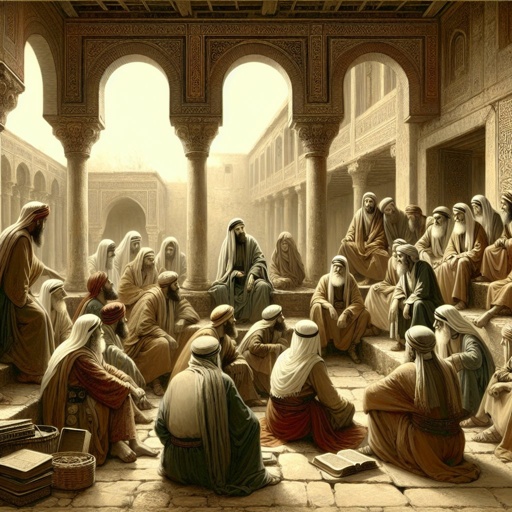
Luke 9:18 Artwork

Luke 9:18 - "¶ And it came to pass, as he was alone praying, his disciples were with him: and he asked them, saying, Whom say the people that I am?"
"¶ And it came to pass, as he was alone praying, his disciples were with him: and he asked them, saying, Whom say the people that I am?" - Luke 9:18

Luke 18: 9-14

Luke 18:9-14

Luke 18:9 - "And he spake this parable unto certain which trusted in themselves that they were righteous, and despised others:"

"And he spake this parable unto certain which trusted in themselves that they were righteous, and despised others:" - Luke 18:9

Luke 10:18-19

Luke 13:18-19

Luke 10:18-19

Luke 10:18-19

Luke 13:18-19

Luke 10:18-19

Luke 10:18-19

Luke 10:18-19

Luke 4:18

Luke 4:18

Luke 8:4-18

Luke 10:18-19
Luke 11:9

luke 9:30

luke 9:35

luke 9:35

Luke 9:51

Luke 11:9

Luke 18:37 - "And they told him, that Jesus of Nazareth passeth by."

Luke 18:18 - "And a certain ruler asked him, saying, Good Master, what shall I do to inherit eternal life?"

Luke 21:18 - "But there shall not an hair of your head perish."

Luke 18:26 - "And they that heard it said, Who then can be saved?"
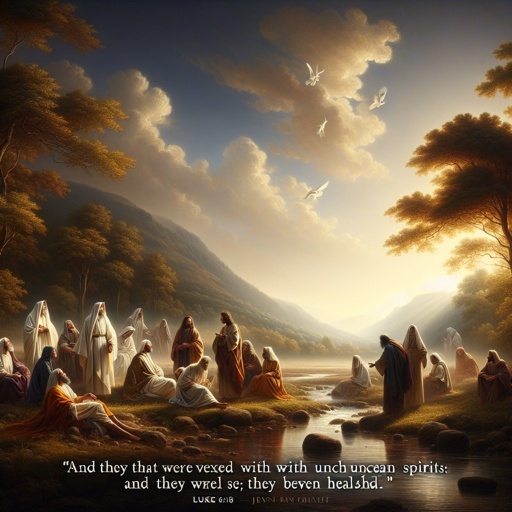
Luke 6:18 - "And they that were vexed with unclean spirits: and they were healed."
Luke 7:18 - "And the disciples of John shewed him of all these things."