The Worthiness of Faith: A Lesson from the Centurion
"And when they came to Jesus, they besought him instantly, saying, That he was worthy for whom he should do this:" - Luke 7:4
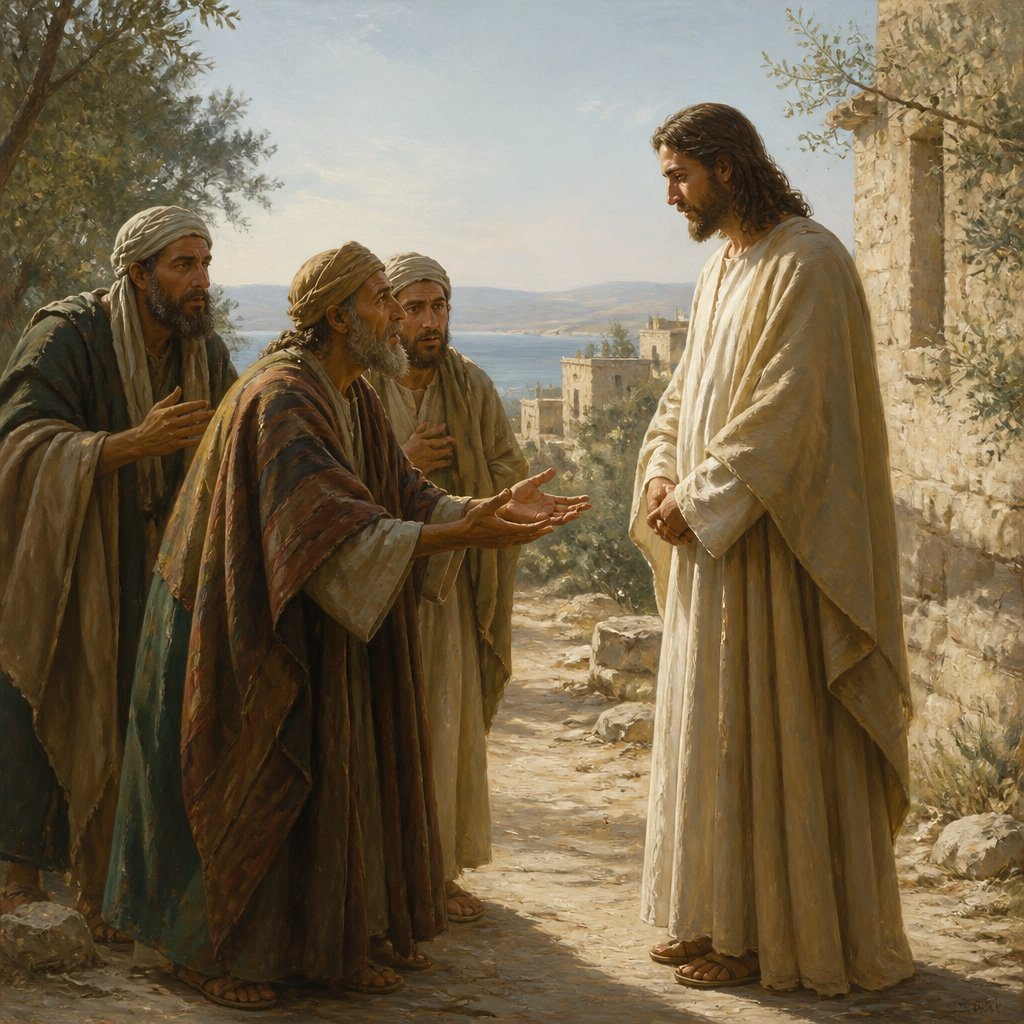
In Luke 7:4, we encounter a striking scene that unveils profound truths about faith and humility. The King James Version records, "And when they came to Jesus, they besought him instantly, saying, That he was worthy for whom he should do this." This verse depicts a group of Jewish elders approaching Jesus to advocate for a Roman centurion, a man often seen as an outsider to the Jewish faith and customs. Yet, the elders assure Jesus of the centurion’s worthiness, stirring up questions about what truly makes someone worthy in the eyes of God.
From the outset, we see the humility of the centurion reflected in the words of those speaking for him. They affirm his worthiness not based on his Roman status or military achievements, but rather on his benevolence towards the Jewish community. This centurion had built a synagogue—an act that signified not just respect for the Jewish faith but also a breaking down of barriers that separated Jew from Gentile. His story invites us to reflect on how we define worthiness in our own lives. Do we measure it by achievements, status, or wealth? Or do we see worthiness through acts of love, kindness, and humility?
The centurion’s story brings to light a vital aspect of faith—recognition of our unworthiness apart from God’s grace. As the elders beseech Jesus, it is crucial to note their reliance on the centurion's merit. He is perceived as worthy by human standards, yet the centurion himself understands his position before Jesus. In verse 6, when Jesus approaches his home, the centurion sends friends to tell Him, "Lord, trouble not thyself: for I am not worthy that thou shouldest enter under my roof." This statement reveals a deep awareness of divine holiness juxtaposed against his own humanity. It emphasizes that true faith recognizes God’s greatness and our own frailty.
This theme resonates throughout Scripture, where worthiness is often measured not by human accolades but by faithfulness and humility. Matthew 18:4 declares, "Whosoever therefore shall humble himself as this little child, the same is greatest in the kingdom of heaven." The centurion embodies this humility, approaching Jesus not with a sense of entitlement, but with a heart that is fully convinced of Jesus' authority and capability. His cry for help, rooted in the faith that Jesus could heal his servant with just a word, showcases a deep understanding of who Jesus is and his own limitations.
The centurion’s faith is a hallmark in the eyes of Christ. In verse 9, we hear Jesus’ astonishment as He declares, "I have not found so great faith, no, not in Israel!" This proclamation serves as a reminder that faith often exists outside our preconceived boundaries. The centurion, a Gentile, demonstrates that sincere faith can flourish irrespective of nationality or religious background. His actions challenge us to evaluate our openness to God’s work among those whom we might not deem worthy.
As believers, we find a profound challenge in the centurion's humility, faith, and understanding of worthiness. We are called to carry that same mindset into our interactions with others. Rather than relying on our status or accomplishments, we must lean into God’s grace, recognizing that our worthiness is not ours to claim but a precious gift from the One who alone is worthy. Let us strive to reflect the centurion's faith, full of surrender, recognizing that every act of kindness and every moment of humility in our walk with Christ magnifies His glory.
So, as we reflect on Luke 7:4, let's ask ourselves: How do we define worthiness in our own lives? Are we willing to humble ourselves in faith, recognizing that our worth comes not from our deeds, but from our relationship with Christ? May we, like the centurion, invite Jesus into our lives with the acknowledgment that we are unworthy yet wholly cherished by Him.
Want to reflect more on Luke 7:4?
Continue your spiritual journey with Bible Chat — an AI-powered tool for exploring God's Word through conversation. Ask questions, discover connections, and deepen your understanding.
Get Our Apps


Luke 7:4 Artwork

Luke 7:4 - "And when they came to Jesus, they besought him instantly, saying, That he was worthy for whom he should do this:"
"And when they came to Jesus, they besought him instantly, saying, That he was worthy for whom he should do this:" - Luke 7:4

Luke 15: 4-7

Luke 4:7 - "If thou therefore wilt worship me, all shall be thine."
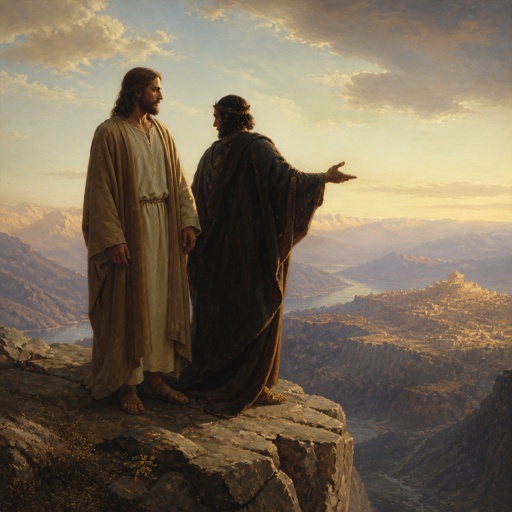
"If thou therefore wilt worship me, all shall be thine." - Luke 4:7

Luke 7:33

Luke 7:50

Luke 7:50

Luke 7:36-50

Luke 4:29

Luke 4:18

luke 4:16

Luke 4:18

Luke 7:41-47

Luke 7:36–50

Luke 20:7 - "And they answered, that they could not tell whence it was."

Luke 7:35 - "But wisdom is justified of all her children."

Luke 8:4-18

Luke 4:19 - "To preach the acceptable year of the Lord."

Luke 4:44 - "And he preached in the synagogues of Galilee."

Luke 7:18 - "And the disciples of John shewed him of all these things."

Luke 7:23 - "And blessed is he, whosoever shall not be offended in me."

Luke 7:7 - "Wherefore neither thought I myself worthy to come unto thee: but say in a word, and my servant shall be healed."

Philippians 4:4-7

Luke 4:4 - "And Jesus answered him, saying, It is written, That man shall not live by bread alone, but by every word of God."

Luke 20:4 - "The baptism of John, was it from heaven, or of men?"

Luke 7:48 - "And he said unto her, Thy sins are forgiven."

Luke 4:15 - "And he taught in their synagogues, being glorified of all."

Colossians 4:14 - "Luke, the beloved physician, and Demas, greet you."

Luke 22:7 - "¶ Then came the day of unleavened bread, when the passover must be killed."