Seeing Clearly: The Call to Self-Examination
"And he spake a parable unto them, Can the blind lead the blind? shall they not both fall into the ditch? The disciple is not above his master: but every one that is perfect shall be as his master. And why beholdest thou the mote that is in thy brother's eye, but perceivest not the beam that is in thine own eye? Either how canst thou say to thy brother, Brother, let me pull out the mote that is in thine eye, when thou thyself beholdest not the beam that is in thine own eye? Thou hypocrite, cast out first the beam out of thine own eye, and then shalt thou see clearly to pull out the mote that is in thy brother's eye." - Luke 6:39-42
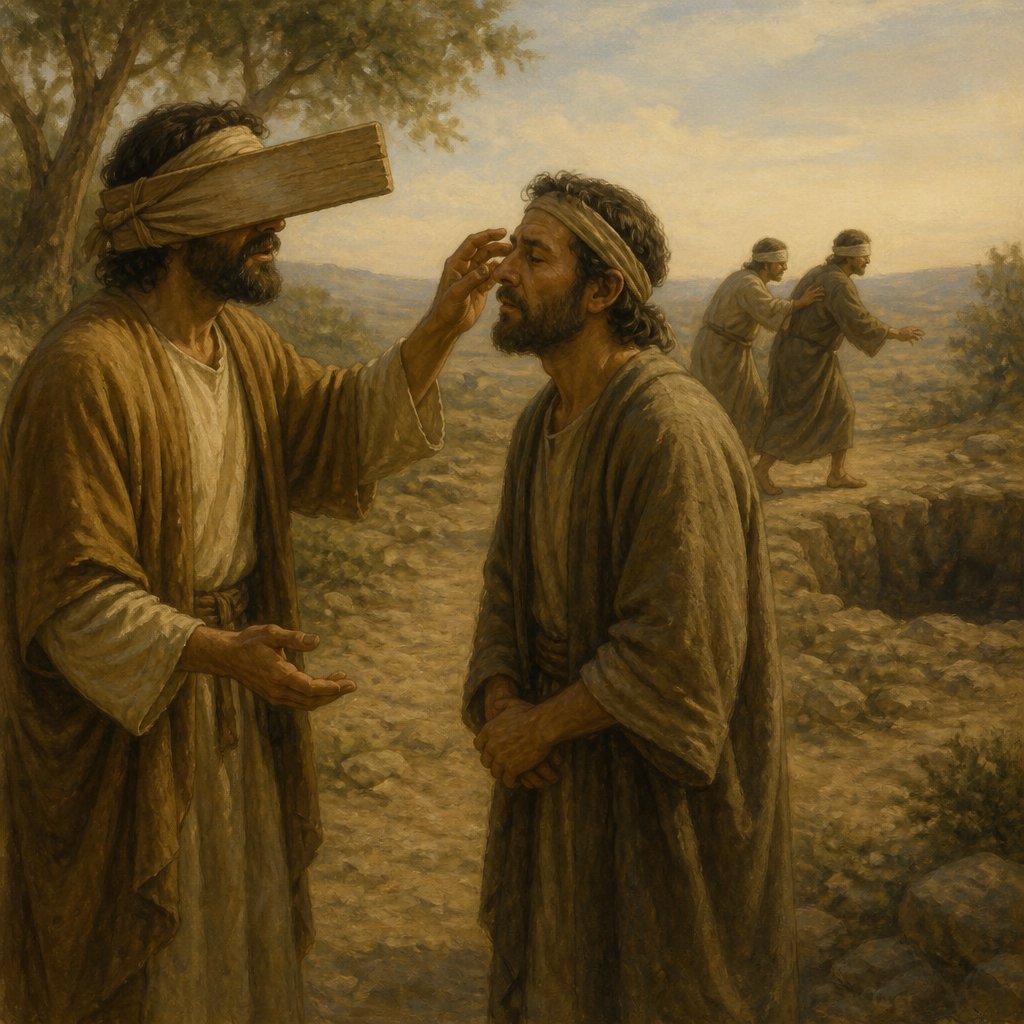
In Luke 6:39-42, we encounter a profound parable spoken by Jesus that reveals the need for self-examination before attempting to correct others. The familiar words of the King James Version say, "And he spake a parable unto them, Can the blind lead the blind? shall they not both fall into the ditch? The disciple is not above his master: but every one that is perfect shall be as his master. And why beholdest thou the mote that is in thy brother's eye, but perceivest not the beam that is in thine own eye? Either how canst thou say to thy brother, Brother, let me pull out the mote that is in thine eye, when thou thyself beholdest not the beam that is in thine own eye? Thou hypocrite, cast out first the beam out of thine own eye, and then shalt thou see clearly to pull out the mote that is in thy brother's eye."
This passage confronts our common tendency of being quick to judge others while remaining blind to our own faults. Jesus paints a vivid image of blindness in a spiritual context—how can one who is blind lead another blind person? The simple answer is that both will end up in the ditch, a metaphor for destruction or failure. This first admonition is not just about physical sight, but about spiritual insight. In our desire to guide, instruct, or correct others, we risk leading them astray if we ourselves are not aligned with the truth.
The phrase, “the disciple is not above his master,” serves as a humbling reminder that we are not superior to those we seek to help. Instead, Christ emphasizes that a mature disciple—one who is well-formed in faith and understanding—should reflect the character of their Master. There is a clear expectation for us to strive toward personal growth, seeking to embody the love, grace, and righteousness of Christ before offering guidance to others.
The core of this parable focuses on the critical examination of our own hearts and lives. "And why beholdest thou the mote that is in thy brother's eye, but perceivest not the beam that is in thine own eye?" Here, Jesus introduces the metaphor of the mote and the beam. The mote represents a tiny splinter, a small fault, while the beam signifies a much larger obstruction. This exaggerated contrast illustrates the hypocrisy of focusing on another’s minor flaws while entirely missing our own glaring shortcomings.
Hypocrisy is a dangerous state, as it blinds us to our own sin while we become fixated on the imperfections of others. In this way, we might quickly label others, criticize their actions, or offer unsolicited advice, but fail to recognize the larger issues within our own lives. Jesus’ words force us to confront the reality of our own nature. It beckons us to engage in self-reflection and humility.
When He commands us to “cast out first the beam out of thine own eye,” Jesus isn’t suggesting we ignore the faults of others altogether. Rather, He is urging a sequence: self-examination followed by genuine assistance. Only after we have acknowledged and dealt with our own shortcomings can we help others with theirs. It is in this process of purification that we gain true clarity and compassion, allowing us to support our brothers and sisters in their struggles effectively.
Each of us is called to reflect deeply on our own faults and failings. We should ask ourselves: what is the ‘beam’ in our eyes that needs to be addressed? Is it pride, anger, resentment, or perhaps an inclination to gossip? Recognizing it is the first step towards healing.
As we strive for perfection in Christ, let our focus be less on the imperfections of those around us and more on the work that the Holy Spirit is calling us to do within ourselves. True discipleship involves sincerity, humility, and a willingness to grow. May we embrace this call to self-examination, ensuring that we nurture our own sanctification in Christ, allowing us to genuinely support and lift our brothers and sisters in love.
Want to reflect more on Luke 6:39-42?
Continue your spiritual journey with Bible Chat — an AI-powered tool for exploring God's Word through conversation. Ask questions, discover connections, and deepen your understanding.
Get Our Apps


Luke 6:39-42 Artwork

Luke 6:39-42 - "He also told them this parable: “Can the blind lead the blind? Will they not both fall into a pit? The student is not above the teacher, but everyone who is fully trained will be like their teacher. Why do you look at the speck of sawdust in your brother’s eye and pay no attention to the plank in your own eye? How can you say to your brother, ‘Brother, let me take the speck out of your eye,’ when you yourself fail to see the plank in your own eye? You hypocrite, first take the plank out of your own eye, and then you will see clearly to remove the speck from your brother’s eye."
"He also told them this parable: “Can the blind lead the blind? Will they not both fall into a pit? The student is not above the teacher, but everyone who is fully trained will be like their teacher. Why do you look at the speck of sawdust in your brother’s eye and pay no attention to the plank in your own eye? How can you say to your brother, ‘Brother, let me take the speck out of your eye,’ when you yourself fail to see the plank in your own eye? You hypocrite, first take the plank out of your own eye, and then you will see clearly to remove the speck from your brother’s eye." - Luke 6:39-42

Luke 6:39 - "And he spake a parable unto them, Can the blind lead the blind? shall they not both fall into the ditch?"

Exodus 39:42 - "According to all that the LORD commanded Moses, so the children of Israel made all the work."
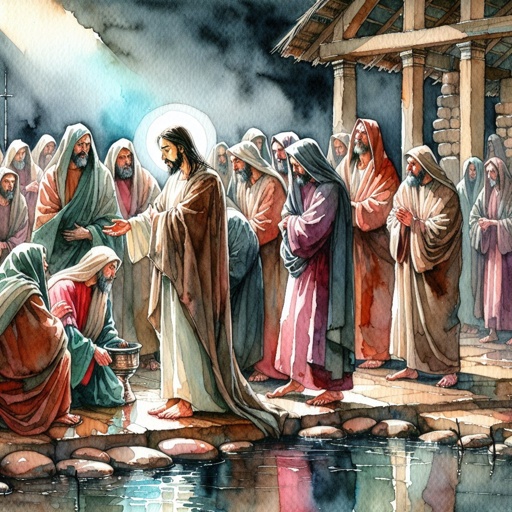
luke 22:42

Luke 22:42

Luke 24:42

luke 22:42

Luke 5:39

Luke 22:39

Luke 1:39

Luke 22:39

Luke 1:39 - 45
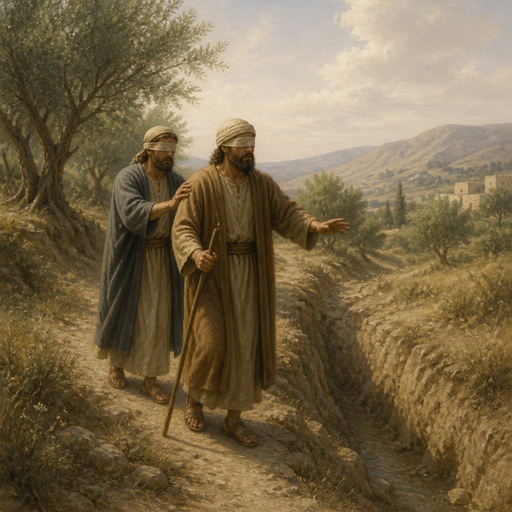
"And he spake a parable unto them, Can the blind lead the blind? shall they not both fall into the ditch?" - Luke 6:39

Luke 24:42 - "And they gave him a piece of a broiled fish, and of an honeycomb."

Genesis 39:6-12

Luke 20:39 - "¶ Then certain of the scribes answering said, Master, thou hast well said."

Luke 2:42 - "And when he was twelve years old, they went up to Jerusalem after the custom of the feast."

Mark 6:42 - "And they did all eat, and were filled."
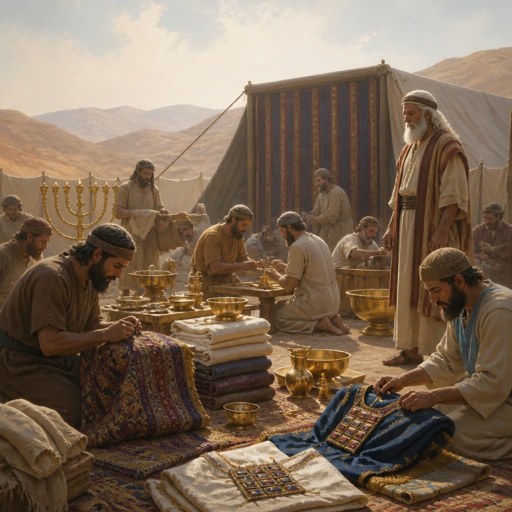
"According to all that the LORD commanded Moses, so the children of Israel made all the work." - Exodus 39:42

Luke 1:39 - "And Mary arose in those days, and went into the hill country with haste, into a city of Juda;"

Luke 18:42 - "And Jesus said unto him, Receive thy sight: thy faith hath saved thee."

Luke 22:42 - "Saying, Father, if thou be willing, remove this cup from me: nevertheless not my will, but thine, be done."

Luke 23:42 - "And he said unto Jesus, Lord, remember me when thou comest into thy kingdom."

1 Chronicles 6:42 - "The son of Ethan, the son of Zimmah, the son of Shimei,"

Job 42:6 - "Wherefore I abhor myself, and repent in dust and ashes."

Luke 19:39 - "And some of the Pharisees from among the multitude said unto him, Master, rebuke thy disciples."

Luke 10:42 - "But one thing is needful: and Mary hath chosen that good part, which shall not be taken away from her."
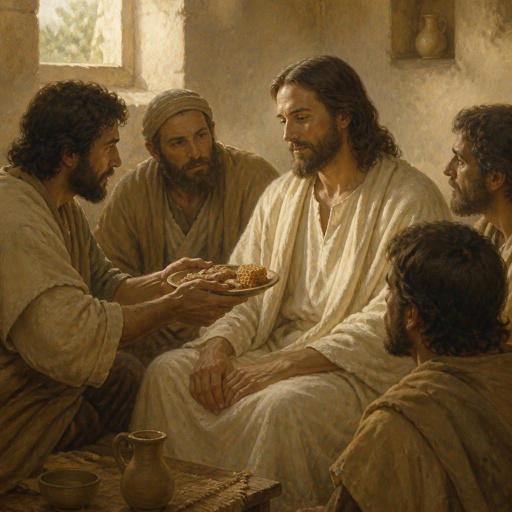
"And they gave him a piece of a broiled fish, and of an honeycomb." - Luke 24:42

Luke 5:39 - "No man also having drunk old wine straightway desireth new: for he saith, The old is better."