The Authority of Forgiveness: A Deeper Look at Luke 5:21
"And the scribes and the Pharisees began to reason, saying, Who is this which speaketh blasphemies? Who can forgive sins, but God alone?" - Luke 5:21
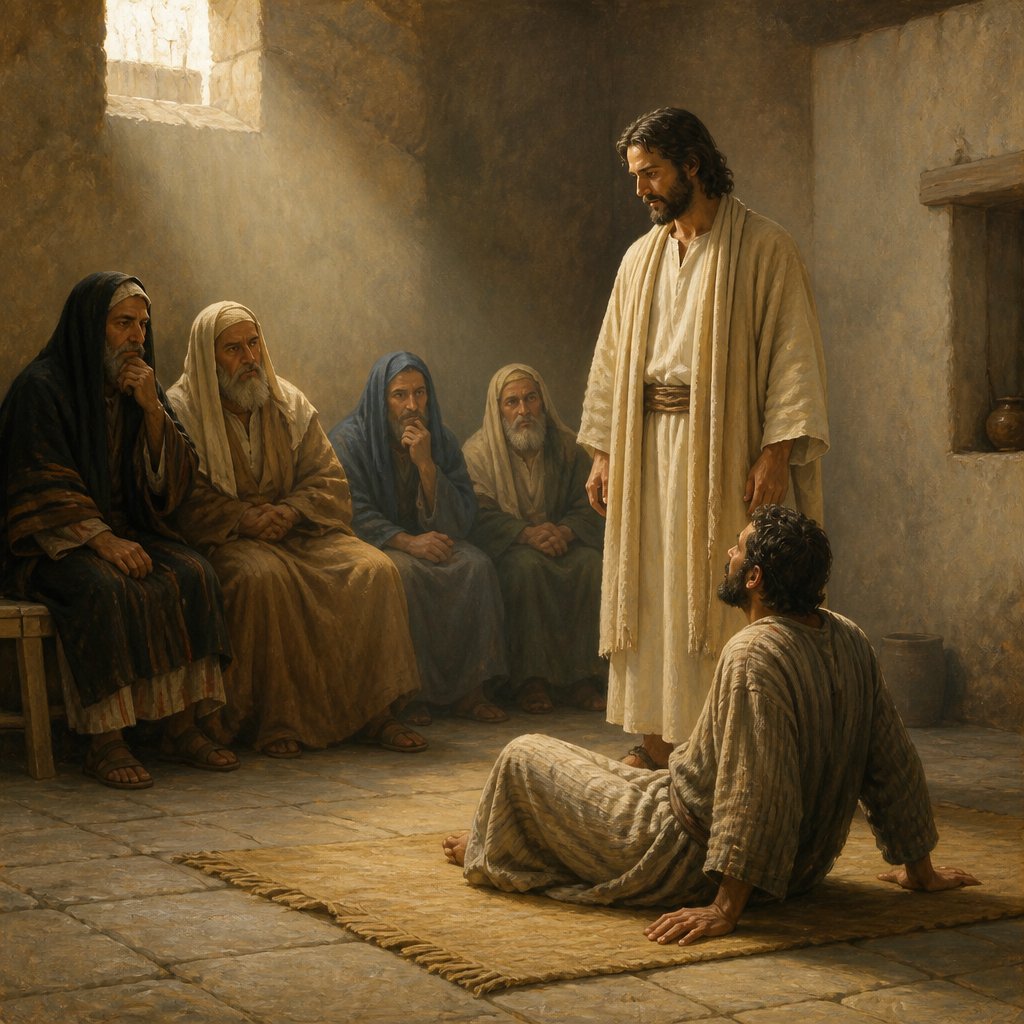
In the Gospel of Luke, chapter 5, verse 21, we encounter a profound moment where the tension between religious authority and divine authority comes to a head. The verse reads: "And the scribes and the Pharisees began to reason, saying, Who is this which speaketh blasphemies? Who can forgive sins, but God alone?" This question reverberates through the ages and invites us to reflect deeply on the nature of forgiveness, authority, and our understanding of God’s grace.
To grasp the weight of this passage, we must consider the context in which it was delivered. Jesus had just performed an extraordinary miracle by healing a paralyzed man, demonstrating not only His power to heal but His ability to forgive sins. The reaction of the scribes and Pharisees reveals their rigidity and misunderstanding of who Jesus is. Their astonishment and anger stem from their belief that only God can forgive sins, a belief that is fundamentally accurate, yet incomplete in light of Christ’s identity.
The scribes and Pharisees were the religious leaders of the time, highly educated in the Law of Moses and steeped in tradition. Their vantage point was rooted in a strict interpretation of religious law and an expectation of a Messiah who would conform to their understanding of divine order. Thus, when Jesus claims the authority to forgive sins, they perceive it as blasphemy because, in their eyes, He is merely a carpenter from Nazareth, not the God they envisioned. This brings us to a critical reflection: How often do we limit God’s power and authority based on our preconceived notions?
In our daily lives, we can fall into the same trap as the Pharisees and scribes, unable to reconcile God’s work within the framework we’ve constructed. We may reason that certain individuals are too far gone to be forgiven, or that our failures are somehow exempt from God’s grace. Yet, in doing so, we overlook the very essence of the Gospel: that Jesus came not for the righteous, but for sinners.
The response from Jesus, although not recorded immediately after their accusations in this verse, is implied in the narrative as He continues to demonstrate His power. He not only forgives but also heals, showing that He possesses the dual authority of divinity and humanity. Each time He forgives, He breaks down the walls that separate us from God’s love.
As we ponder on this verse, we must also reflect on the implications of forgiveness in our lives. Forgiveness is often viewed as a one-sided act — someone hurts us, and we grant them forgiveness. However, what this passage reveals is that true forgiveness comes from a place of deep understanding of our own need for grace. We must recognize that, like the paralyzed man, we are all in desperate need of healing both physically and spiritually. Our sins can weigh heavily on our hearts, and just as Jesus lifted the burden from the man He healed, He lifts our burdens as well.
Moreover, we are called to embody the same grace we receive. In Matthew 6:14-15, it is written that: "For if ye forgive men their trespasses, your heavenly Father will also forgive you: But if ye forgive not men their trespasses, neither will your Father forgive your trespasses." This is a sobering reminder that our call to forgive others is paramount to our relationship with God. It is through forgiving that we mirror the heart of Jesus, who willingly extends mercy to all who come to Him genuinely seeking healing.
In closing, let us embrace the truth that God alone has the authority to forgive sins, and in His infinite mercy, He chooses to extend that authority through Jesus Christ. May we be ever mindful of the need for forgiveness in our lives, both receiving it and passing it on to others. Let us surrender our limited understanding and experience the transformative power of God’s grace.
Want to reflect more on Luke 5:21?
Continue your spiritual journey with Bible Chat — an AI-powered tool for exploring God's Word through conversation. Ask questions, discover connections, and deepen your understanding.
Get Our Apps


Luke 5:21 Artwork

Luke 5:21 - "And the scribes and the Pharisees began to reason, saying, Who is this which speaketh blasphemies? Who can forgive sins, but God alone?"
"And the scribes and the Pharisees began to reason, saying, Who is this which speaketh blasphemies? Who can forgive sins, but God alone?" - Luke 5:21

luke 21:5-19

luke 21:5-19 with all people of color

luke 21:5-19 with all people of color

luke 21:5-19 with all people of color

luke 21:5-19 with all people of color

Luke 21:5 - "¶ And as some spake of the temple, how it was adorned with goodly stones and gifts, he said,"
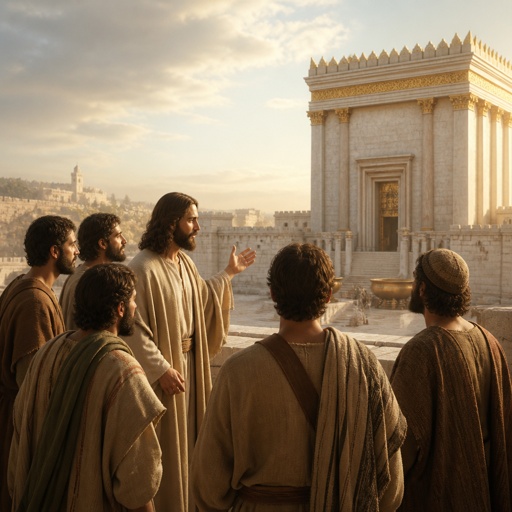
"¶ And as some spake of the temple, how it was adorned with goodly stones and gifts, he said," - Luke 21:5

Luke 13:20-21

Luke 13:20-21
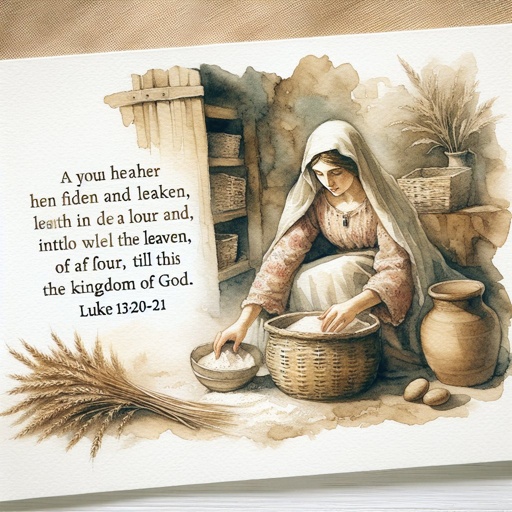
Luke 13:20-21

Luke 5:20-21 - "When Jesus saw their faith, he said, “Friend, your sins are forgiven.” The Pharisees and the teachers of the law began thinking to themselves, “Who is this fellow who speaks blasphemy? Who can forgive sins but God alone?”"

Luke 13:20-21

Luke 13:20-21

Luke 15:21

Luke 21:24

Luke 15:21

luke 5:5

Luke 6:21-26

Luke 6:21-26

Luke 21:15-19

Luke 2:16 - 21

Luke 10:5

Luke 10:5

Luke 21:13 - "And it shall turn to you for a testimony."

Luke 10:5

Luke 21:18 - "But there shall not an hair of your head perish."

Luke 21:19 - "In your patience possess ye your souls."

Luke 23:21 - "But they cried, saying, Crucify him, crucify him."