The Authority of Forgiveness: Faith That Heals
"When he saw their faith, he said unto him, Man, thy sins are forgiven thee. And the scribes and the Pharisees began to reason, saying, Who is this which speaketh blasphemies? Who can forgive sins, but God alone?" - Luke 5:20-21
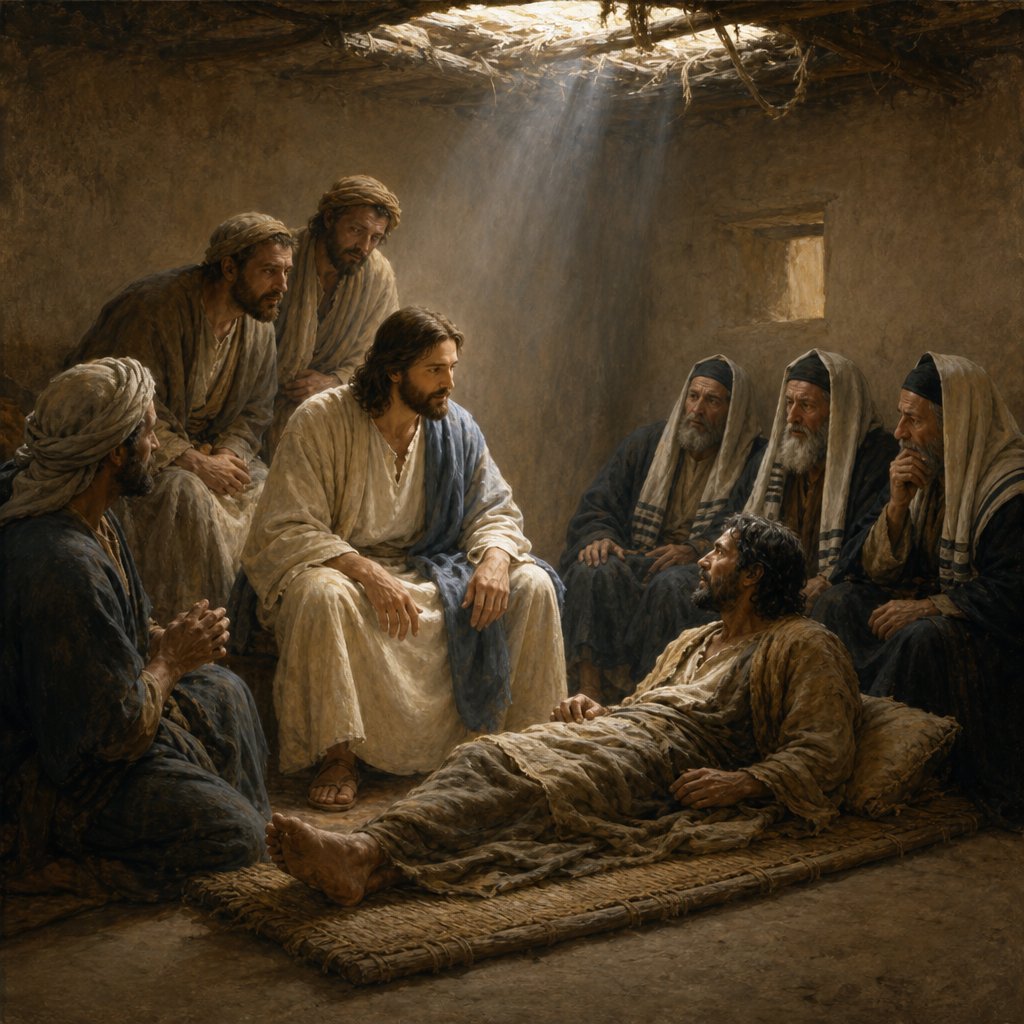
In Luke 5:20-21, we witness a profound moment that encapsulates the essence of our faith and the authority vested in Christ. The passage states, "When he saw their faith, he said unto him, Man, thy sins are forgiven thee. And the scribes and the Pharisees began to reason, saying, Who is this which speaketh blasphemies? Who can forgive sins, but God alone?" This exchange is pivotal, revealing both the divine authority of Jesus Christ and the response of human disbelief.
The context of the passage is crucial. A paralyzed man is brought to Jesus by his friends, and they go to extraordinary lengths to ensure he encounters the Healer. They break through the roof of a house where Jesus is teaching, showcasing their faith and relentless pursuit for healing. Their actions speak volumes; they believed that Jesus could heal both physically and spiritually, demonstrating an unwavering trust in His power.
As Jesus sees their faith, it is not just the faith of the man in need of healing that resonates with Him; it is the collective faith of all those involved, especially the friends who lowered him down. Faith in Jesus compels us to act, to take risks, and to step outside our comfort zones. This scene challenges us: How far are we willing to go to reach Jesus for ourselves and others? To what lengths will we go to support those in need, to introduce them to the transformative power of Christ?
When Jesus declares, "Man, thy sins are forgiven thee," He not only addresses the man's physical ailment but also his spiritual condition. Herein lies a profound truth: the healing of our souls is as vital, if not more so, than our physical healing. Sin is the ultimate paralysis of the spirit, robbing us of vitality and connection with God. Jesus's pronouncement embodies the essence of His ministry—the proclamation of salvation and the restoration of the brokenness within us. To forgive sins is to reconcile; it’s to bring rest to the restless, healing to the wounded, and a sense of belonging to the outcasts.
However, the reaction of the scribes and Pharisees unveils a critical layer of this narrative. Their immediate response to Jesus’s declaration reveals the heart of a societal structure fixated on the rules and perceived authority. They visibly struggle with the notion that anyone, outside of God, could forgive sins. In their reasoning, they expose their limitations in understanding who Jesus truly is—the Son of God, divinely empowered to forgive because He himself is without sin.
This moment confronts us with an essential question: How do we approach Jesus? Do we come in faith, open to His miraculous work in our lives, or do we negotiate with our doubts, allowing the voices of skepticism to cloud our understanding of His authority? The Pharisees represent the fight between faith and intellect. Their reasoning led them to miss the very miracle unfolding before their eyes.
Jesus’s ability to forgive sins signifies a new order, a shift from the ancient traditions governed by the Law to the grace that He embodies. It signals a liberating truth: humanity is no longer bound by the weight of sin but can experience freedom and restoration through faith in Him.
As we meditate on this passage, let us ask ourselves where our faith stands. Are we willing to be like the friends who bring others to Christ with fervent faith? Are we ready to acknowledge Jesus's authority in our lives, trusting in His ability to forgive and heal?
In a world where guilt and shame can feel overwhelming, let us find solace in the truth that in Christ, our sins are forgiven. We are called not only to receive this grace but to share it. Just as those friends did, may we lead others to the feet of Jesus, allowing Him to declare freedom and forgiveness in their lives. The authority of forgiveness is a precious gift we must cherish and extend to others, embodying the love of our Savior in every aspect of our lives.
Want to reflect more on Luke 5:20-21?
Continue your spiritual journey with Bible Chat — an AI-powered tool for exploring God's Word through conversation. Ask questions, discover connections, and deepen your understanding.
Get Our Apps


Luke 5:20-21 Artwork

Luke 5:20-21 - "When Jesus saw their faith, he said, “Friend, your sins are forgiven.” The Pharisees and the teachers of the law began thinking to themselves, “Who is this fellow who speaks blasphemy? Who can forgive sins but God alone?”"
"When Jesus saw their faith, he said, “Friend, your sins are forgiven.” The Pharisees and the teachers of the law began thinking to themselves, “Who is this fellow who speaks blasphemy? Who can forgive sins but God alone?”" - Luke 5:20-21

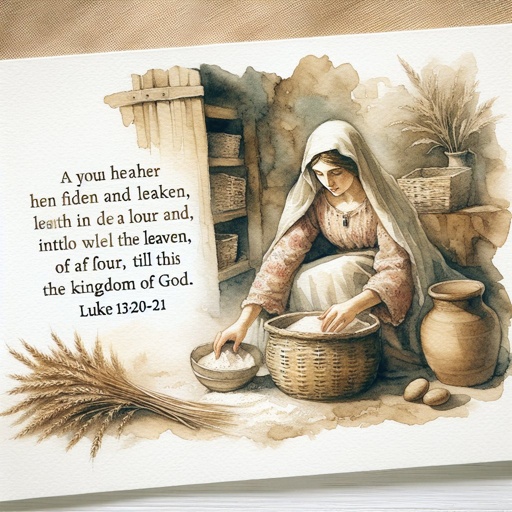
Luke 13:20-21

Luke 13:20-21
Luke 13:20-21

Luke 13:20-21

Luke 13:20-21

luke 21:5-19

Luke 21:20 - "And when ye shall see Jerusalem compassed with armies, then know that the desolation thereof is nigh."

Luke 5:20 - "And when he saw their faith, he said unto him, Man, thy sins are forgiven thee."

luke 21:5-19 with all people of color

luke 21:5-19 with all people of color

luke 21:5-19 with all people of color

luke 21:5-19 with all people of color

Luke 21:5 - "¶ And as some spake of the temple, how it was adorned with goodly stones and gifts, he said,"
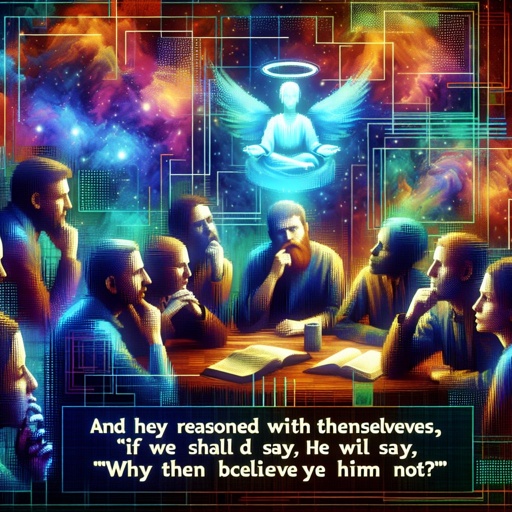
Luke 20:5 - "And they reasoned with themselves, saying, If we shall say, From heaven; he will say, Why then believed ye him not?"

Luke 5:21 - "And the scribes and the Pharisees began to reason, saying, Who is this which speaketh blasphemies? Who can forgive sins, but God alone?"

Luke 20:21 - "And they asked him, saying, Master, we know that thou sayest and teachest rightly, neither acceptest thou the person of any, but teachest the way of God truly:"
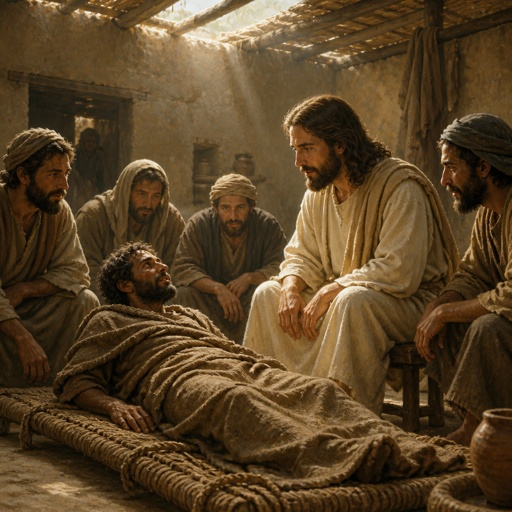
"And when he saw their faith, he said unto him, Man, thy sins are forgiven thee." - Luke 5:20
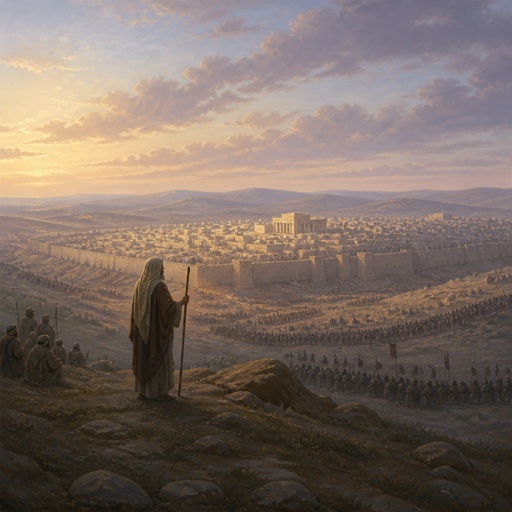
"And when ye shall see Jerusalem compassed with armies, then know that the desolation thereof is nigh." - Luke 21:20

Romans 5:20-21 - "The law was brought in so that the trespass might increase. But where sin increased, grace increased all the more, so that, just as sin reigned in death, so also grace might reign through righteousness to bring eternal life through Jesus Christ our Lord."
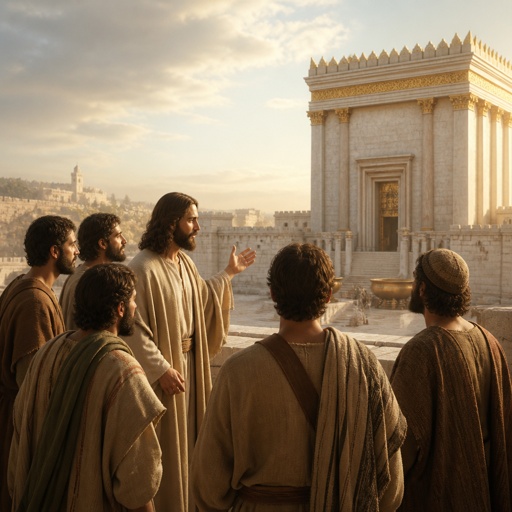
"¶ And as some spake of the temple, how it was adorned with goodly stones and gifts, he said," - Luke 21:5

Luke 15:21

Luke 21:24

Luke 15:21

luke 5:5

Luke 20:28
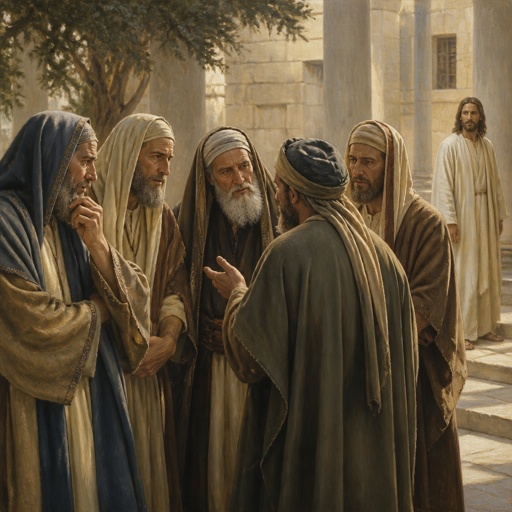
"And they reasoned with themselves, saying, If we shall say, From heaven; he will say, Why then believed ye him not?" - Luke 20:5

Genesis 21-20

John 20:21