Fruits of Repentance: The Call to Authentic Transformation
"Bring forth therefore fruits worthy of repentance, and begin not to say within yourselves, We have Abraham to our father: for I say unto you, That God is able of these stones to raise up children unto Abraham." - Luke 3:8
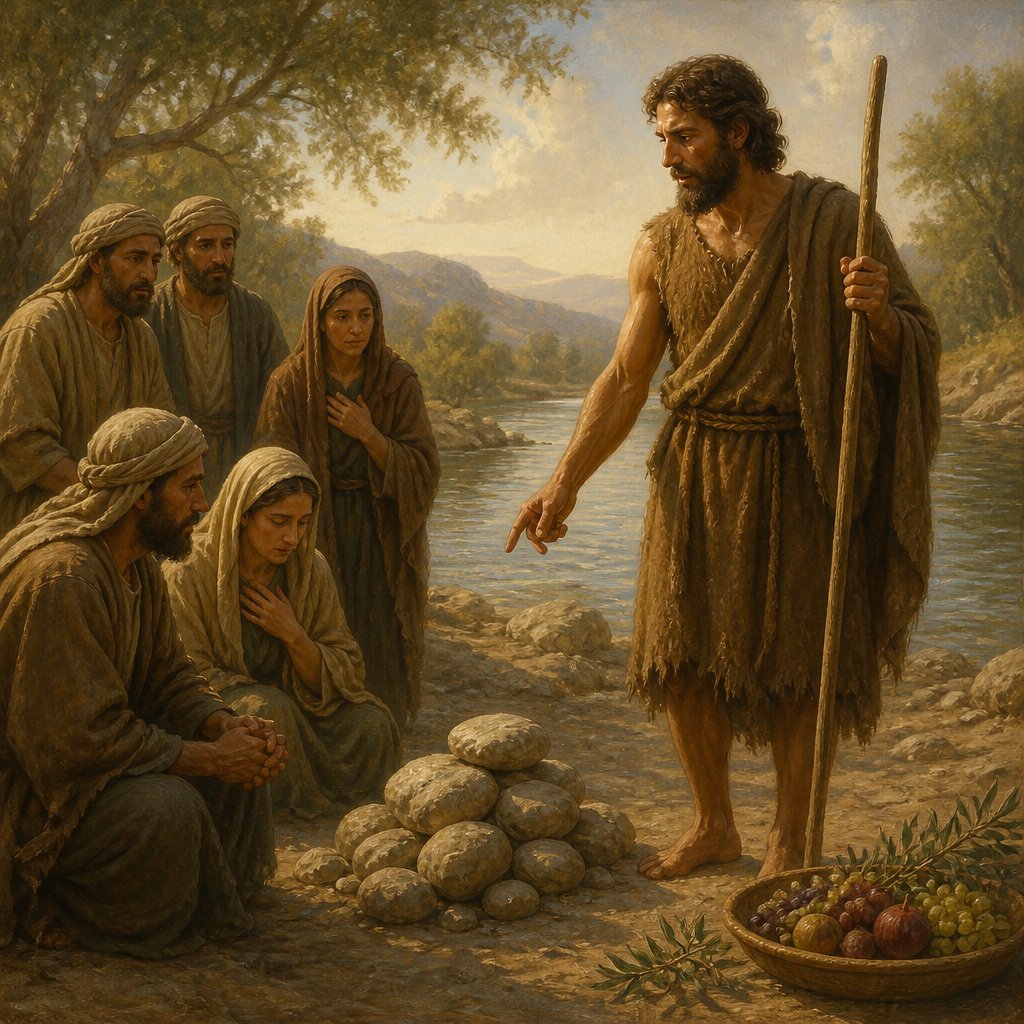
As we delve into the meaning of Luke 3:8, which states, "Bring forth therefore fruits worthy of repentance, and begin not to say within yourselves, We have Abraham to our father: for I say unto you, That God is able of these stones to raise up children unto Abraham,” we uncover deep truths about the nature of true repentance and the transformative power of God.
This verse is nestled within the ministry of John the Baptist, a figure heralding the arrival of Christ and demanding a preparation of the hearts of the people. He proclaims that mere ancestry, especially the proud claim of being descendants of Abraham, is not enough to secure one's standing before God. In essence, John confronts the complacency of the Jewish people, who believed that their lineage granted them special favor with God. This was the foundation of their justification; however, John the Baptist challenges this notion. It’s an awakening call that resonates even today.
**The Nature of Repentance**
Repentance, as articulated in this verse, is not merely an acknowledgment of sin but rather an active and ongoing process of transformation. The phrase "fruits worthy of repentance" suggests that genuine repentance produces visible and tangible results in our lives. This is echoed in the teachings of Jesus, where faith without works is deemed dead (James 2:17). Thus, the fruits of repentance must reflect a life that is actively turning away from sin and turning towards God—a life characterized by love, mercy, humility, and obedience.
In our lives today, we are often caught in patterns of sin and complacency. The temptation is to relinquish our responsibility for looking inward, to focus on outward appearances, or to rely on our church attendance or heritage. However, John’s radical message convicts us: we must reflect on our lives and ask ourselves whether we are producing these fruits. Are we cultivating kindness, patience, and a desire for holiness? Our actions speak louder than our words, and it is imperative that we examine the fruit we bear. God calls us not to merely profess our faith but to demonstrate it through our actions.
**The Sovereignty of God**
The latter part of the verse focuses on God's sovereignty: "for I say unto you, That God is able of these stones to raise up children unto Abraham." This is a powerful reminder of God's ability to bring forth life from the most unlikely places. Here, John illustrates that having Abraham as your father means nothing if one is not living a life in accordance with God's will. God does not depend on our lineage or heritage; He is capable of miraculous works and can raise followers from stones if He chooses. This emphasizes a vital truth: our relationship with God is not based on lineage but on faith, obedience, and a heart turned toward Him.
**Reflections for Today**
As we ponder this verse, we should reflect on the following questions:
1. **What does repentance look like in my life?** Are there areas where I need to seek God’s forgiveness and strive toward genuine change?
2. **Am I relying on my past, my family background, or my achievements to justify my faith?** True faith calls for authentic, active participation in God’s kingdom.
3. **What are the fruits of my life saying about my relationship with God?** Are they worthy of Him, or do they reflect areas that need repentance?
In conclusion, Luke 3:8 reminds us of the urgency and necessity of cultivating true repentance in our lives. We are called to examine the fruits we produce and embrace the transformative power of God available to us through Christ. Let us not be satisfied with mere claims of faith but be challenged to grow in our relationship with God, reflecting His love and grace in all we do.
Want to reflect more on Luke 3:8?
Continue your spiritual journey with Bible Chat — an AI-powered tool for exploring God's Word through conversation. Ask questions, discover connections, and deepen your understanding.
Get Our Apps


Luke 3:8 Artwork
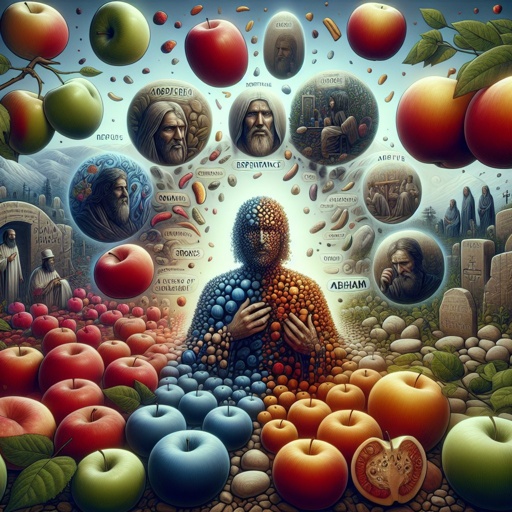
Luke 3:8 - "Bring forth therefore fruits worthy of repentance, and begin not to say within yourselves, We have Abraham to our father: for I say unto you, That God is able of these stones to raise up children unto Abraham."
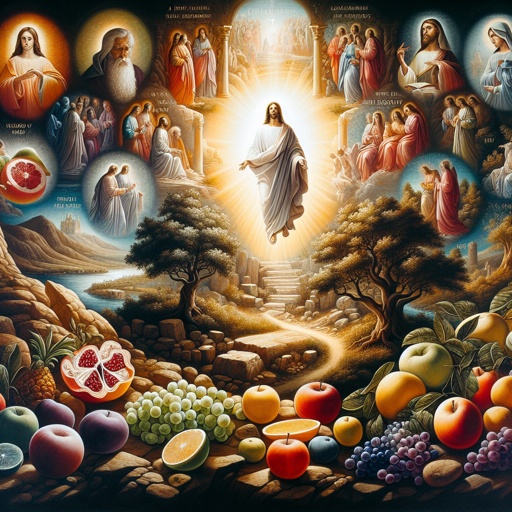
Luke 3:8 Bring forth therefore fruits worthy of repentance, and begin not to say within yourselves, We have Abraham to our father: for I say unto you, That God is able of these stones to raise up children unto Abraham.
"Bring forth therefore fruits worthy of repentance, and begin not to say within yourselves, We have Abraham to our father: for I say unto you, That God is able of these stones to raise up children unto Abraham." - Luke 3:8

Luke 8:3 - "And Joanna the wife of Chuza Herod's steward, and Susanna, and many others, which ministered unto him of their substance."

Luke 8:5-8

"And Joanna the wife of Chuza Herod's steward, and Susanna, and many others, which ministered unto him of their substance." - Luke 8:3

Luke 8:16

Luke 8:11

Luke 8:17

Luke 8:13

Luke 8:13

Luke 8:13

Luke 24:8 - "And they remembered his words,"

Luke 2 v 8

Luke 8:4-18

Luke 8:11 - "Now the parable is this: The seed is the word of God."

luke 3:1-6

Luke 3:1-6

Luke 3:1-6

Luke 3:3 - "And he came into all the country about Jordan, preaching the baptism of repentance for the remission of sins;"

Luke 8:53 - "And they laughed him to scorn, knowing that she was dead."

John 3:3-8

Luke 8:26 - "¶ And they arrived at the country of the Gadarenes, which is over against Galilee."

Luke 8:9 - "And his disciples asked him, saying, What might this parable be?"
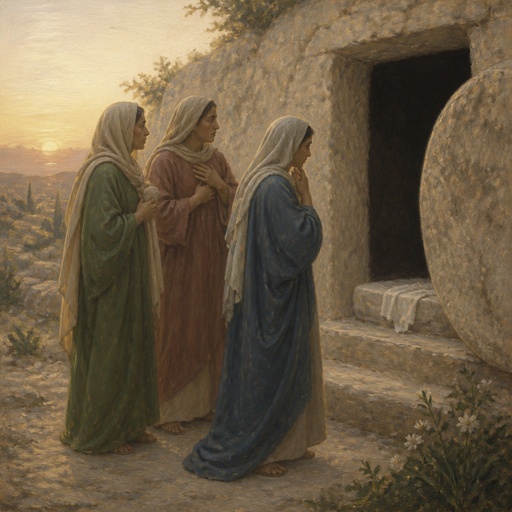
"And they remembered his words," - Luke 24:8

Luke 24:3 - "And they entered in, and found not the body of the Lord Jesus."

Luke 8:7 - "And some fell among thorns; and the thorns sprang up with it, and choked it."

Luke 8:31 - "And they besought him that he would not command them to go out into the deep."

Luke 3:6 - "And all flesh shall see the salvation of God."

Luke 15:3 - "¶ And he spake this parable unto them, saying,"