Ancestry of Grace: The Tapestry of Our Identity
"Which was the son of Simeon, which was the son of Juda, which was the son of Joseph, which was the son of Jonan, which was the son of Eliakim," - Luke 3:30
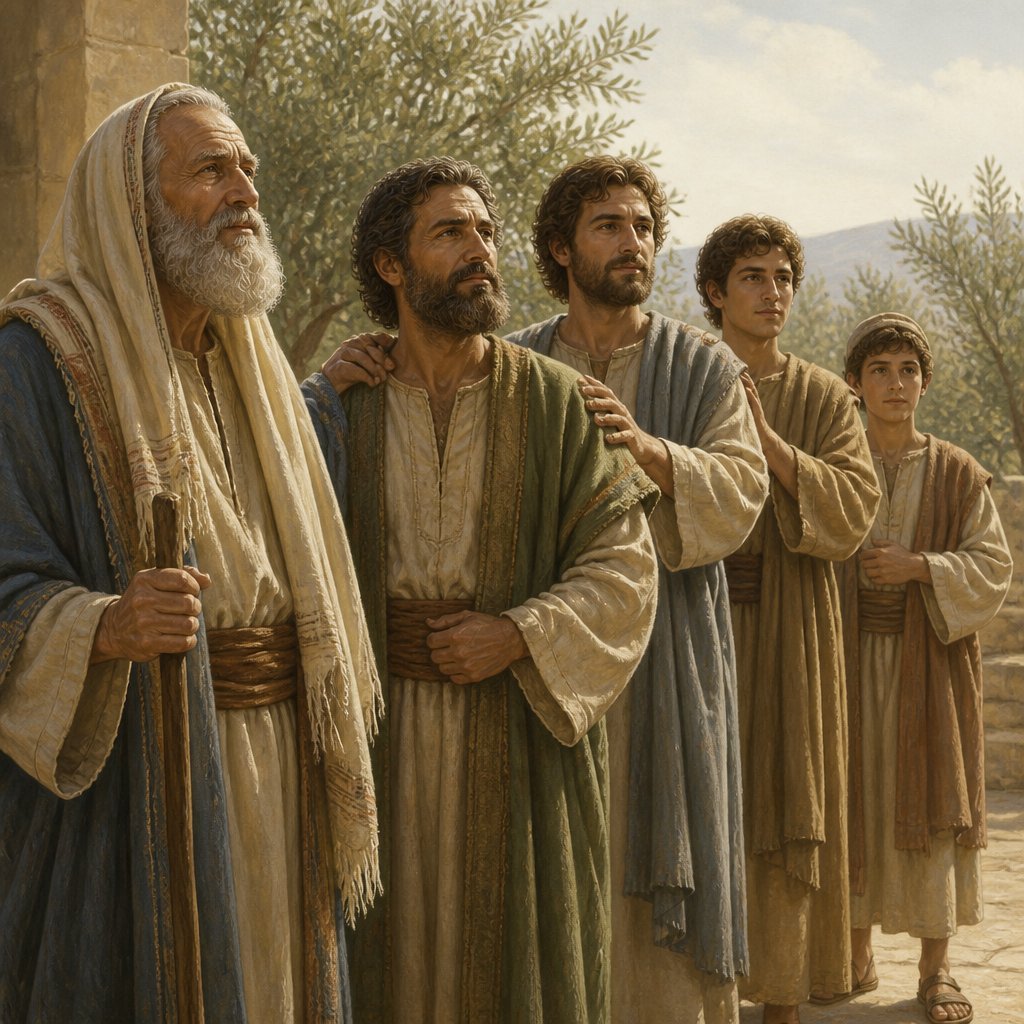
**Ancestry of Grace: The Tapestry of Our Identity**
*“Which was the son of Simeon, which was the son of Juda, which was the son of Joseph, which was the son of Jonan, which was the son of Eliakim.” – Luke 3:30 (KJV)*
In today’s world, we often identify ourselves by our achievements, our possessions, or our social status. Yet, the beginning of the Gospel of Luke invites us into a different approach to identity. In a rather intricate genealogy outlined in Luke 3, verse 30 unveils Jesus' heritage. The simple phrase that lists generations becomes a profound teaching point on ancestry, legacy, and the threads of grace running through our lives.
For many, genealogy can feel mundane or overly detailed. However, the importance of ancestry cannot be overstated—especially in biblical contexts. Genealogies were essential in the culture of ancient Israel; they affirmed identity, covenants, and the faithfulness of God across generations. Luke's genealogy of Jesus is deliberate and significant, revealing a tapestry woven through the lives of many, and it serves a purpose beyond mere record-keeping.
As we reflect on the names listed—Simeon, Juda, Joseph, Jonan, and Eliakim—we see a diverse heritage that speaks to God’s intervention and providence throughout time. These names represent real people with real struggles, victories, and contributions to the unfolding narrative of God’s salvation plan. Each name in this lineage has a story, and each story contributes to an amazing truth: each of us, too, has a past, a heritage, and a role in God’s great narrative today.
Jesus’ genealogy in Luke emphasizes His connection to humanity and His fulfillment of divine promises. It teaches us that God chooses to work through ordinary people. Simeon, for example, signifies a remnant of faithful followers; Juda reminds us of the tribe from which Christ was prophesied to descend. Joseph, Jonan, and Eliakim represent not just individuals but links in a chain of faith that God meticulously orchestrated.
In the broader narrative of Scripture, we recognize that God frequently redeems the failures and frailties of those listed in genealogies. Each name carries with it the weight of humanity—sinful, flawed, yet chosen. Understanding our ancestry in Christ reminds us that our backgrounds—be it filled with strife or faithfulness—do not disqualify us from receiving grace. Rather, they are the very threads through which grace can flow.
As heirs of Christ, we are invited into the family of God. This recognition should ignite within us a powerful gratitude, knowing that we belong to a lineage far greater than our immediate biological connections. It is a family established by the blood of Christ, allowing us to identify with a greater purpose and narrative that transcends our individual stories.
What does it mean for us today? It means that our identity is not merely rooted in earthly achievements or failures but in the loving acceptance and calling of God. Just as the thread of ancestry weaves through Jesus' genealogy, we too are called to allow the Spirit to weave our stories into a greater tapestry of grace and hope.
As we pray and meditate on our identities in Christ, let us remember that we are part of a legacy of faith, called to inspire others and continue the story of redemption. Let us embrace the teaching of Luke 3:30, recognizing that not only are we products of our past, but we are also active participants in the unfolding work of God’s future.
**Prayer:**
Heavenly Father, thank You for the gift of Your Son, Jesus. Help me to see myself as part of the beautiful tapestry of Your redemption story. May I embrace my identity in You, and may my life reflect the grace and love that has been so generously given to me. Amen.
Want to reflect more on Luke 3:30?
Continue your spiritual journey with Bible Chat — an AI-powered tool for exploring God's Word through conversation. Ask questions, discover connections, and deepen your understanding.
Get Our Apps


Luke 3:30 Artwork
Luke 3:30 - "Which was the son of Simeon, which was the son of Juda, which was the son of Joseph, which was the son of Jonan, which was the son of Eliakim,"
"Which was the son of Simeon, which was the son of Juda, which was the son of Joseph, which was the son of Jonan, which was the son of Eliakim," - Luke 3:30

Luke 1:30

luke 9:30

luke 6:30

luke 9:29- 30

african american luke 10:30

Luke 14:30 - "Saying, This man began to build, and was not able to finish."

Luke 2:30 - "For mine eyes have seen thy salvation,"

Luke 20:30 - "And the second took her to wife, and he died childless."

Luke 1:30 Gabriel visits Mary

Luke 17:30 - "Even thus shall it be in the day when the Son of man is revealed."

Luke 4:30 - "But he passing through the midst of them went his way,"

Luke 13:30 - "And, behold, there are last which shall be first, and there are first which shall be last."

Luke 23:30 - "Then shall they begin to say to the mountains, Fall on us; and to the hills, Cover us."

Luke 9:30 - "And, behold, there talked with him two men, which were Moses and Elias:"

John 3:30

Luke 7:30 - "But the Pharisees and lawyers rejected the counsel of God against themselves, being not baptized of him."

Luke 11:30 - "For as Jonas was a sign unto the Ninevites, so shall also the Son of man be to this generation."

Luke 1:30 - "And the angel said unto her, Fear not, Mary: for thou hast found favour with God."

Luke 18:30 - "Who shall not receive manifold more in this present time, and in the world to come life everlasting."

Luke 16:30 - "And he said, Nay, father Abraham: but if one went unto them from the dead, they will repent."

Luke 6:30 - "Give to every man that asketh of thee; and of him that taketh away thy goods ask them not again."

Luke 24:30 - "And it came to pass, as he sat at meat with them, he took bread, and blessed it, and brake, and gave to them."

"Saying, This man began to build, and was not able to finish." - Luke 14:30

Luke 21:30 - "When they now shoot forth, ye see and know of your own selves that summer is now nigh at hand."

Luke 12:30 - "For all these things do the nations of the world seek after: and your Father knoweth that ye have need of these things."

Luke 5:30 - "But their scribes and Pharisees murmured against his disciples, saying, Why do ye eat and drink with publicans and sinners?"

Luke 22:30 - "That ye may eat and drink at my table in my kingdom, and sit on thrones judging the twelve tribes of Israel."
"For mine eyes have seen thy salvation," - Luke 2:30