The Humble Birth: Finding Significance in the Manger
"And she brought forth her firstborn son, and wrapped him in swaddling clothes, and laid him in a manger; because there was no room for them in the inn." - Luke 2:7
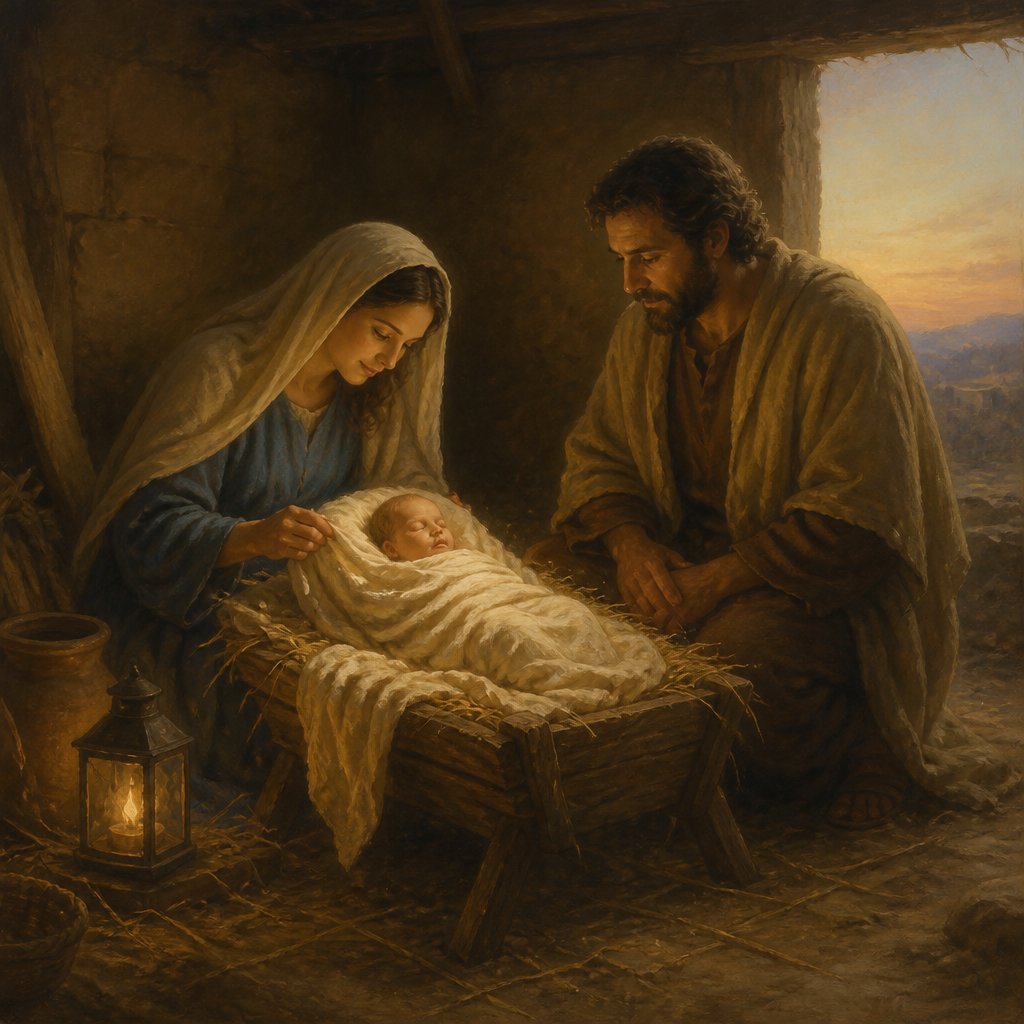
The humble birth of Jesus, as narrated in Luke 2:7 KJV, provides profound insights into our understanding of love, sacrifice, and the divine paradox of greatness emerging from insignificance. The verse reads: "And she brought forth her firstborn son, and wrapped him in swaddling clothes, and laid him in a manger; because there was no room for them in the inn." Let us explore the depth of this event and what it signifies for us as believers.
From the onset, we see Mary, a humble Galilean woman, giving birth to the Savior of the world in the most unassuming way imaginable. Picture the circumstances: Mary and Joseph traveling to Bethlehem, not out of choice but due to the decree of Caesar Augustus. They arrive in a bustling town filled with people, all seeking accommodation, and yet, they are met with rejection. The inns, which were places of hospitality, closed their doors to them. This rejection in the midst of such a critical moment in history reveals a stark reality that often exists in our lives as well. Sometimes, in our most desperate times, we may feel like there is no room for our needs, our hopes, and indeed, our very selves.
But God’s plan was not thwarted by this lack of accommodation. Instead, it was precisely in that moment of being unwelcome that the great love of God unfolded. He chose to enter the world not in a palace but in a stable—the birthplace of animals. In this act of humility, God demonstrated that His ways are not our ways, and His thoughts are not our thoughts (Isaiah 55:8-9). The King of Kings chose to be cradled not in silk linens but in swaddling clothes, not in a golden cradle but in a manger. This revelation shakes the foundations of worldly expectations about glory and honor. It teaches us that God often manifests His greatness in the smallest and most unlikely of places.
As we ponder Mary wrapping her newborn in swaddling clothes, let us recognize the care involved in this act. Swaddling was a common practice in biblical times, meant to provide comfort and security for the newborn. This gesture speaks volumes of the love and intentionality of a mother, choosing to wrap the Christ child with her own hands. Likewise, as we approach God, we must remember the dedication and love that comes from nurturing our relationship with Him. Just as Mary held her child close, we must draw near to Christ, acknowledging Him as the source of our comfort and security in a world that often feels chaotic and unwelcoming.
The manger, a feeding trough, serves as a striking symbol of Jesus’ mission and purpose. He was born into a setting reserved for feeding animals, foreshadowing His later role as the Bread of Life (John 6:35) who would nourish our souls. Every aspect of this birth encapsulated God’s intention to reach out to the lost, the lowly, and the marginalized. The shepherds, who would soon receive the glorious news of Jesus’ birth, were also the least regarded members of society—echoing God’s pursuit of those who find themselves on the fringes.
In our daily lives, we can become wrapped up in our own pursuits, often seeking the grandiose or the spotlight when we should be examining the quiet, overlooked places where God operates. Are there areas in our lives where we feel there is no room for Jesus? Perhaps it’s in our hearts where we hold onto bitterness, or in relationships where we refuse to offer forgiveness. As we relinquish these areas and invite Him in, we allow the Beatitudes to flourish within us (Matthew 5:3-12).
Dear friends, the birth of Jesus reminds us that God comes not only to hear our cries in our highest moments but also in our most humble states. Let this Christmas season be one where we, too, make room in our hearts for Him, recognizing that in humility, love, and embrace, we can find the true essence of His coming. For in what appears to be the most insignificant setting, hope was born, and the world was forever changed. Amen.
Want to reflect more on Luke 2:7?
Continue your spiritual journey with Bible Chat — an AI-powered tool for exploring God's Word through conversation. Ask questions, discover connections, and deepen your understanding.
Get Our Apps


Luke 2:7 Artwork

Luke 2:7 - "And she brought forth her firstborn son, and wrapped him in swaddling clothes, and laid him in a manger; because there was no room for them in the inn."

Luke 2:7 – "She gave birth to her firstborn, a son. She wrapped him in cloths and placed him in a manger, because there was no guest room available for them."
"And she brought forth her firstborn son, and wrapped him in swaddling clothes, and laid him in a manger; because there was no room for them in the inn." - Luke 2:7

Luke 7:2 - "And a certain centurion's servant, who was dear unto him, was sick, and ready to die."
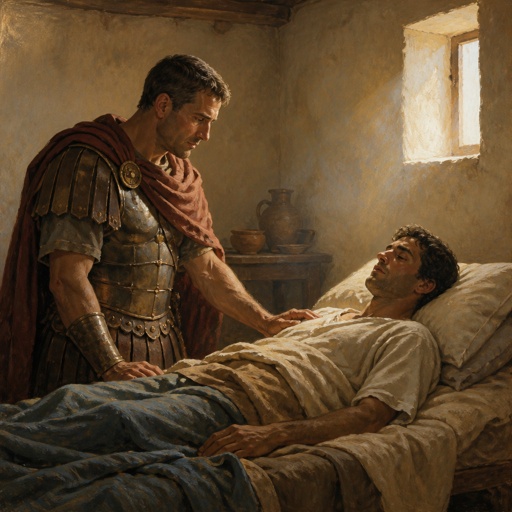
"And a certain centurion's servant, who was dear unto him, was sick, and ready to die." - Luke 7:2

Luke 7:33

Luke 7:50

Luke 7:50

Luke 7:36-50

Luke 7:41-47

Luke 15: 4-7

Luke 7:36–50

Luke 20:7 - "And they answered, that they could not tell whence it was."

Luke 7:35 - "But wisdom is justified of all her children."
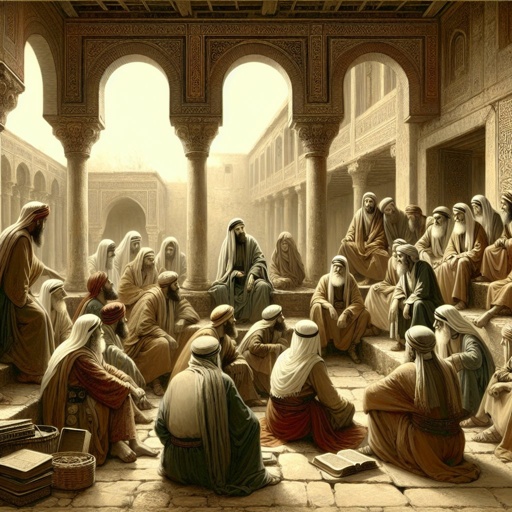
Luke 7:18 - "And the disciples of John shewed him of all these things."

Luke 7:23 - "And blessed is he, whosoever shall not be offended in me."

Luke 7:7 - "Wherefore neither thought I myself worthy to come unto thee: but say in a word, and my servant shall be healed."

Luke 2:2

Luke 7:48 - "And he said unto her, Thy sins are forgiven."

Luke 22:7 - "¶ Then came the day of unleavened bread, when the passover must be killed."

Luke 4:7 - "If thou therefore wilt worship me, all shall be thine."

Luke 8:7 - "And some fell among thorns; and the thorns sprang up with it, and choked it."

Luke 7:5 - "For he loveth our nation, and he hath built us a synagogue."

"And they answered, that they could not tell whence it was." - Luke 20:7

Luke 7:31 - "¶ And the Lord said, Whereunto then shall I liken the men of this generation? and to what are they like?"

Luke 7:10 - "And they that were sent, returning to the house, found the servant whole that had been sick."

Luke 7:30 - "But the Pharisees and lawyers rejected the counsel of God against themselves, being not baptized of him."

Luke 7:50 - "And he said to the woman, Thy faith hath saved thee; go in peace."

Luke 19:7 - "And when they saw it, they all murmured, saying, That he was gone to be guest with a man that is a sinner."

Luke 2:2 - "(And this taxing was first made when Cyrenius was governor of Syria.)"