The Sign of Humility: Finding the Savior in Simple Places
"And this shall be a sign unto you; Ye shall find the babe wrapped in swaddling clothes, lying in a manger." - Luke 2:12

As we step into the cherished season of Christmas, we find ourselves wrapped in the warmth of family traditions, glittering decorations, and the soothing sounds of carols that herald the birth of our Savior. Yet, amid the sentimentality, it is essential to pause and reflect on the profound meaning encapsulated in one of the Bible’s most beloved verses: Luke 2:12, which states, "And this shall be a sign unto you; Ye shall find the babe wrapped in swaddling clothes, lying in a manger."
At first glance, this verse may appear straightforward, even quaint, yet it carries with it immense theological weight and practical implications for our lives today. Let us ponder the context in which this announcement was made. The shepherds, humble and often overlooked members of society, were the recipients of the angel's message. God chose to reveal the birth of His Son not to the wealthy or powerful, but to those who understood the grind of labor, the chill of the night air, and the beauty of simplicity. In doing so, He shifted the paradigm of how we perceive significance and influence.
The sign itself is remarkable. The angel told the shepherds they would find a baby wrapped in swaddling clothes and lying in a manger. This imagery starkly contrasts with what might be expected of a king's birth. One would think that the arrival of a ruler would be marked by grandeur and opulence—a palace, fine linens, and a thriving celebration. Instead, the King of Kings came into the world in the most humble way possible, swaddled in cloth not for warmth or aristocracy, but for practicality, and laid in a feeding trough meant for animals. What does this say to us about the nature of our God?
God's choice to come in such humility invites us to reflect on our own lives and how often we seek significance in the grandiose or the prestigious. The world is quick to praise those who occupy positions of power, wealth, and influence. Yet, through this humble birth, God positions Himself in the reach of the common person, demonstrating that He values the hearts of the lowly and meek. The Creator of the universe did not shun the simple means but embraced them, emphasizing that true greatness often lies in humility and meekness.
What, then, is the significance of swaddling clothes? In biblical times, swaddling was a common practice for ensuring the safety and comfort of newborns. It represents care, protection, and nurturing. As believers, when we recognize Jesus as our Savior, we understand that He was born into vulnerability to relate to us in our humanity. He chooses to meet us in our frailties. When we feel lost, vulnerable, or insignificant, we find in Jesus a refuge of love and acceptance that surpasses human understanding.
Moreover, the manger—a feeding trough—speaks volumes about Jesus' identity and mission. He came not only as our Savior but as the Bread of Life (John 6:35). Just as animals came to feed from the manger, we are invited to find nourishment for our souls in Christ. In a world where many seek fulfillment in material possessions, status, or achievements, God presents a counter-cultural truth: He offers our spirits nourishment through relationship with Him, born in the most unsuspecting way.
As we commemorate His birth, let us remember the sign given to the shepherds. It is not merely a call to celebration but a continuous reminder of where to find Jesus—in the humble and overlooked places of our lives. Let us also emulate that humility and seek to serve others, fostering an environment where all feel welcomed and cherished, much like the shepherds who came to witness the newborn king.
This Christmas, may we seek to find Jesus anew, wrapped in swaddling clothes, lying in a manger—a vivid reminder that true joy and peace are found not in worldly status but in the embrace of our humble Savior.
Want to reflect more on Luke 2:12?
Continue your spiritual journey with Bible Chat — an AI-powered tool for exploring God's Word through conversation. Ask questions, discover connections, and deepen your understanding.
Get Our Apps


Luke 2:12 Artwork

Luke 2:12 - "And this shall be a sign unto you; Ye shall find the babe wrapped in swaddling clothes, lying in a manger."

Luk2 12:34

"And this shall be a sign unto you; Ye shall find the babe wrapped in swaddling clothes, lying in a manger." - Luke 2:12

Luke 2:12 "In the style of Rembrandt van Rijn" "Dramatic chiaroscuro with deep shadows and radiant highlights" "Warm golden light emanating from a single divine source" "Realistic figures with expressive, empathetic faces and textured drapery" "Intimate Baroque composition in Dutch Golden Age realism" "Tenebrism emphasizing emotional depth in religious scenes" "Rich earth tones and subtle gradations of light on human forms

Luke 2:12 "In the style of Rembrandt van Rijn" "Dramatic chiaroscuro with deep shadows and radiant highlights" "Warm golden light emanating from a single divine source" "Realistic figures with expressive, empathetic faces and textured drapery" "Intimate Baroque composition in Dutch Golden Age realism" "Tenebrism emphasizing emotional depth in religious scenes" "Rich earth tones and subtle gradations of light on human forms

Luke 2:12 "In the style of Rembrandt van Rijn" "Dramatic chiaroscuro with deep shadows and radiant highlights" "Warm golden light emanating from a single divine source" "Realistic figures with expressive, empathetic faces and textured drapery" "Intimate Baroque composition in Dutch Golden Age realism" "Tenebrism emphasizing emotional depth in religious scenes" "Rich earth tones and subtle gradations of light on human forms

Luke 2:12 "In the style of Rembrandt van Rijn" "Dramatic chiaroscuro with deep shadows and radiant highlights" "Warm golden light emanating from a single divine source" "Realistic figures with expressive, empathetic faces and textured drapery" "Intimate Baroque composition in Dutch Golden Age realism" "Tenebrism emphasizing emotional depth in religious scenes" "Rich earth tones and subtle gradations of light on human forms

Luke 2:12 "In the style of Rembrandt van Rijn" "Dramatic chiaroscuro with deep shadows and radiant highlights" "Warm golden light emanating from a single divine source" "Realistic figures with expressive, empathetic faces and textured drapery" "Intimate Baroque composition in Dutch Golden Age realism" "Tenebrism emphasizing emotional depth in religious scenes" "Rich earth tones and subtle gradations of light on human forms

Luke 12:2 - "For there is nothing covered, that shall not be revealed; neither hid, that shall not be known."

"For there is nothing covered, that shall not be revealed; neither hid, that shall not be known." - Luke 12:2

Matthew 2:1-12

Luke 12:25
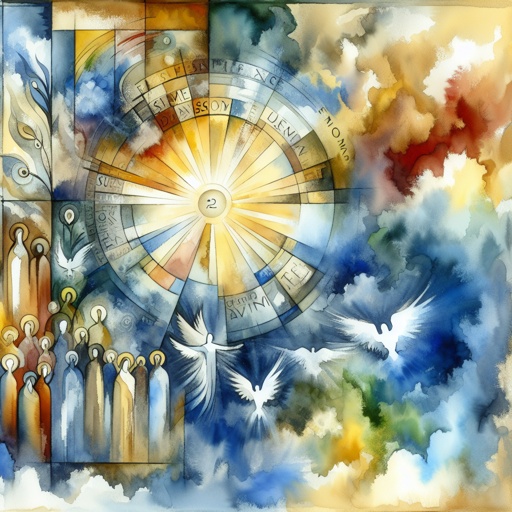
Luke 12:25

Luke 12: 49

Luke 12:34

Luke 12:10

Luke 12:50

Luke 12:12 - "For the Holy Ghost shall teach you in the same hour what ye ought to say."

Luke 1:11-12

Luke 12:25-26

Luke 12:25-26

Luke 12:25-26

Luke 12:25-26

Luke 12:25-26
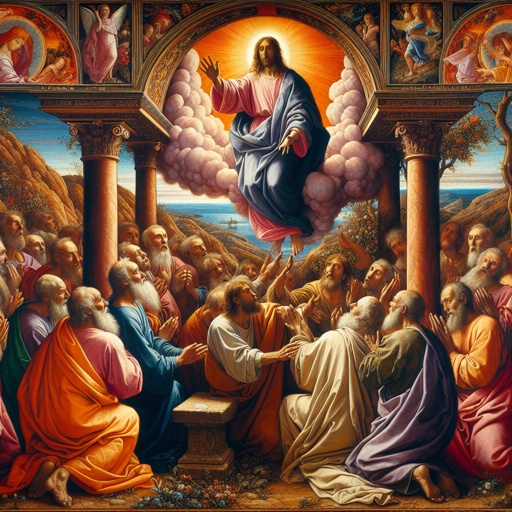
Luke 12:25-26

Luke 1:11-12

Luke 12:25-26

Luke 1:11-12

Luke 1:11-12

Luke 12:34 - "For where your treasure is, there will your heart be also."