A Confrontation at the Cross: The Fear of God in Our Final Hours
"But the other answering rebuked him, saying, Dost not thou fear God, seeing thou art in the same condemnation?" - Luke 23:40
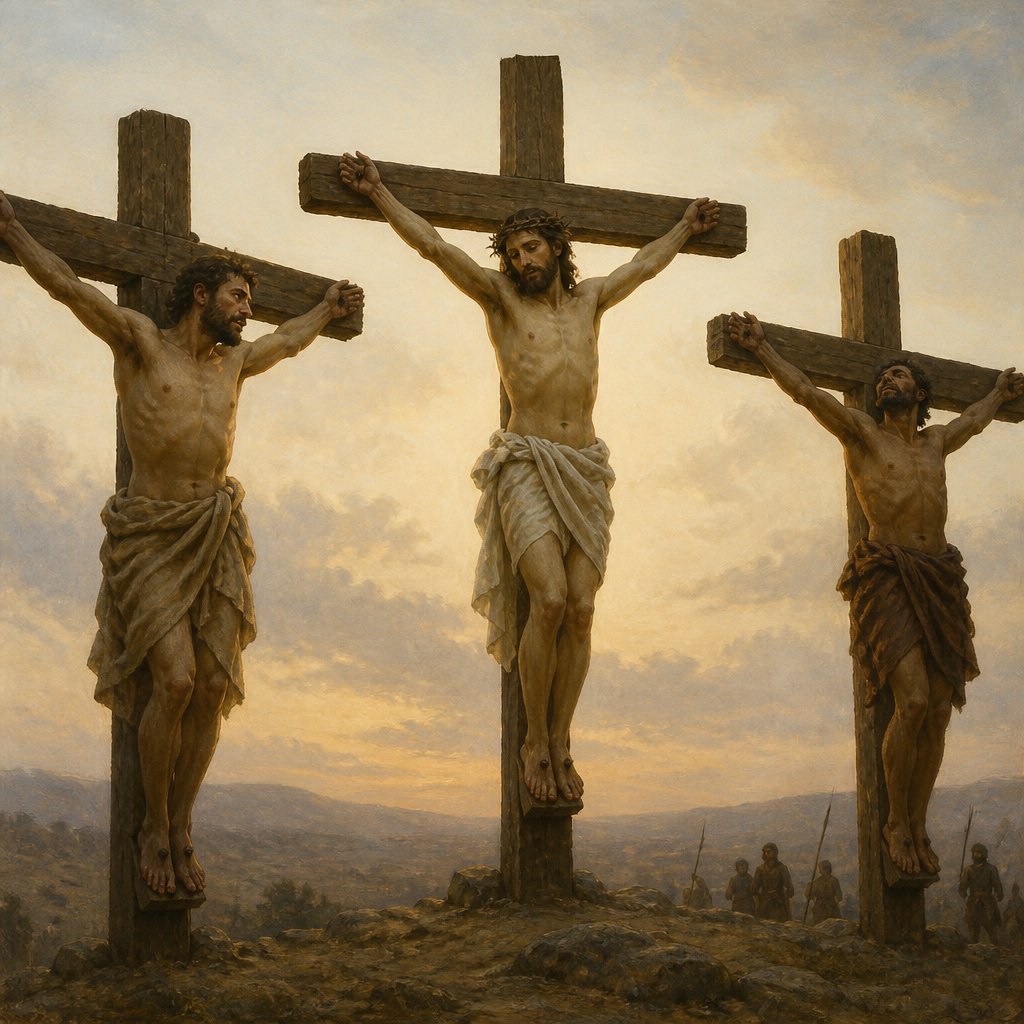
The scene at Golgotha is one of the most profound moments captured in the Gospels. Luke 23:40 presents us with a striking confrontation between two criminals, hanging under the same plight, yet responding to their circumstance in starkly different ways. In the King James Version, we find this exchange: "But the other answering rebuked him, saying, Dost not thou fear God, seeing thou art in the same condemnation?"
This passage compels us to examine not only the immediate context of these words but also the broader implications regarding our relationship with God, especially in moments of trial and tribulation. As we delve deeper into this moment, we discover a rich tapestry of themes—fear, repentance, and the essence of faith.
The first criminal, in his anguish, joins the crowd’s mockery, showing a heart hardened by despair and sin. He aligns himself with the mocking voices, seemingly unaware of the gravity of his actions. On the other hand, the second thief recognizes his dire situation—not just the physical pain of crucifixion but the spiritual condemnation that looms over him. His rebuke, "Dost not thou fear God?" is both alarming and awakening. Here, he invites the first criminal to consider the presence of God in their agony.
Fear of God is often misunderstood in contemporary discourse. It may evoke images of terror or dread, but biblically, it encompasses a deep reverence and respect for God’s holiness and justice. In moments like these, when we confront our mortality, the fear of God ought to lead us towards humility, prompting us to seek His mercy. The second criminal's call to fear highlights a crucial truth: acknowledgment of the divine in our suffering can lead to transformative repentance.
As believers, we, too, will face moments where our faith is tested, where we may find ourselves metaphorically hanging upon a cross. These moments call us to examine our responses. Do we align ourselves with despair, or do we recognize God’s presence, even in our lowest points? The fear of God leads us to confront our sins and our need for divine grace. It pushes us beyond a mere acknowledgment of God’s existence to an authentic realization of His power and purposes.
The second criminal's rebuke serves as a turning point—not only for himself but also for the first criminal, and ultimately for us as readers. The act of recognizing the fear of God allows for deeper introspection. When we compare our lives with the holiness of God, we inevitably come face to face with our shortcomings. It implores us to ask: "What is my true standing before Him?"
In the grand narrative of Luke’s Gospel, the criminals on the cross represent humanity in its brokenness—two men condemned for their sins yet faced with the same opportunity for redemption. This confrontation at the cross invites us to reflect on our own lives.
As the second criminal acknowledged his sins and articulated the fear of God, he was making a profound statement of faith. His recognition of Jesus, even in the midst of anguish, was indicative of a heart that understood the kingship of Christ. "Lord, remember me when thou comest into thy kingdom" (Luke 23:42 KJV). This plea echoes through the ages, demonstrating that no one is beyond the reach of God’s grace.
As we meditate on this passage, let us ask ourselves: How do we respond in our trials? Are we blinded by our circumstances, or do we choose to fear God, recognizing that He is sovereign even in suffering? Let us embrace the opportunity for repentance and the possibility of redemption that God presents to us, for fear of the Lord is the beginning of wisdom, leading us back to a relationship with our Creator.
Want to reflect more on Luke 23:40?
Continue your spiritual journey with Bible Chat — an AI-powered tool for exploring God's Word through conversation. Ask questions, discover connections, and deepen your understanding.
Get Our Apps


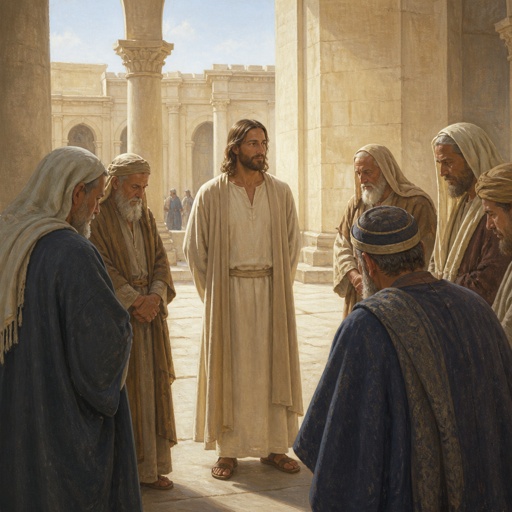
Luke 23:40 Artwork

Luke 23:40 - "But the other answering rebuked him, saying, Dost not thou fear God, seeing thou art in the same condemnation?"
"But the other answering rebuked him, saying, Dost not thou fear God, seeing thou art in the same condemnation?" - Luke 23:40

Luke 1:40 - "And entered into the house of Zacharias, and saluted Elisabeth."

Luke 20:40 - "And after that they durst not ask him any question at all."

Luke 9:40 - "And I besought thy disciples to cast him out; and they could not."

Isaiah 40:23 - "That bringeth the princes to nothing; he maketh the judges of the earth as vanity."

Genesis 40:23 - "Yet did not the chief butler remember Joseph, but forgat him."

the jewish holidays mentioned in leviticus 23:1 until 23:40 combined in one picture,

Luke 6:40 - "The disciple is not above his master: but every one that is perfect shall be as his master."

Jeremiah 23:40 - "And I will bring an everlasting reproach upon you, and a perpetual shame, which shall not be forgotten."

Luke 12:40 - "Be ye therefore ready also: for the Son of man cometh at an hour when ye think not."

Luke 22:40 - "And when he was at the place, he said unto them, Pray that ye enter not into temptation."

Luke 11:40 - "Ye fools, did not he that made that which is without make that which is within also?"

Luke 2:40 - "And the child grew, and waxed strong in spirit, filled with wisdom: and the grace of God was upon him."

Exodus 40:23 - "And he set the bread in order upon it before the LORD; as the LORD had commanded Moses."

Luke 24:40 - "And when he had thus spoken, he shewed them his hands and his feet."
"And entered into the house of Zacharias, and saluted Elisabeth." - Luke 1:40

Luke 8:40 - "And it came to pass, that, when Jesus was returned, the people gladly received him: for they were all waiting for him."

the jewish holidays mentioned in leviticus 23:1 until 23:40 combined in one picture, with hebrew names in hebrew charactes

Luke 23:53

Luke 19:23

luke 11:23

Luke 19:23

Luke 18:40 - "And Jesus stood, and commanded him to be brought unto him: and when he was come near, he asked him,"

Job 40:23 - "Behold, he drinketh up a river, and hasteth not: he trusteth that he can draw up Jordan into his mouth."

luke 11:23
Luke 15:23

luke 11:23

luke 11:23
"And after that they durst not ask him any question at all." - Luke 20:40