The Table of Betrayal: Finding Grace Amidst Shadows
"¶ But, behold, the hand of him that betrayeth me is with me on the table." - Luke 22:21
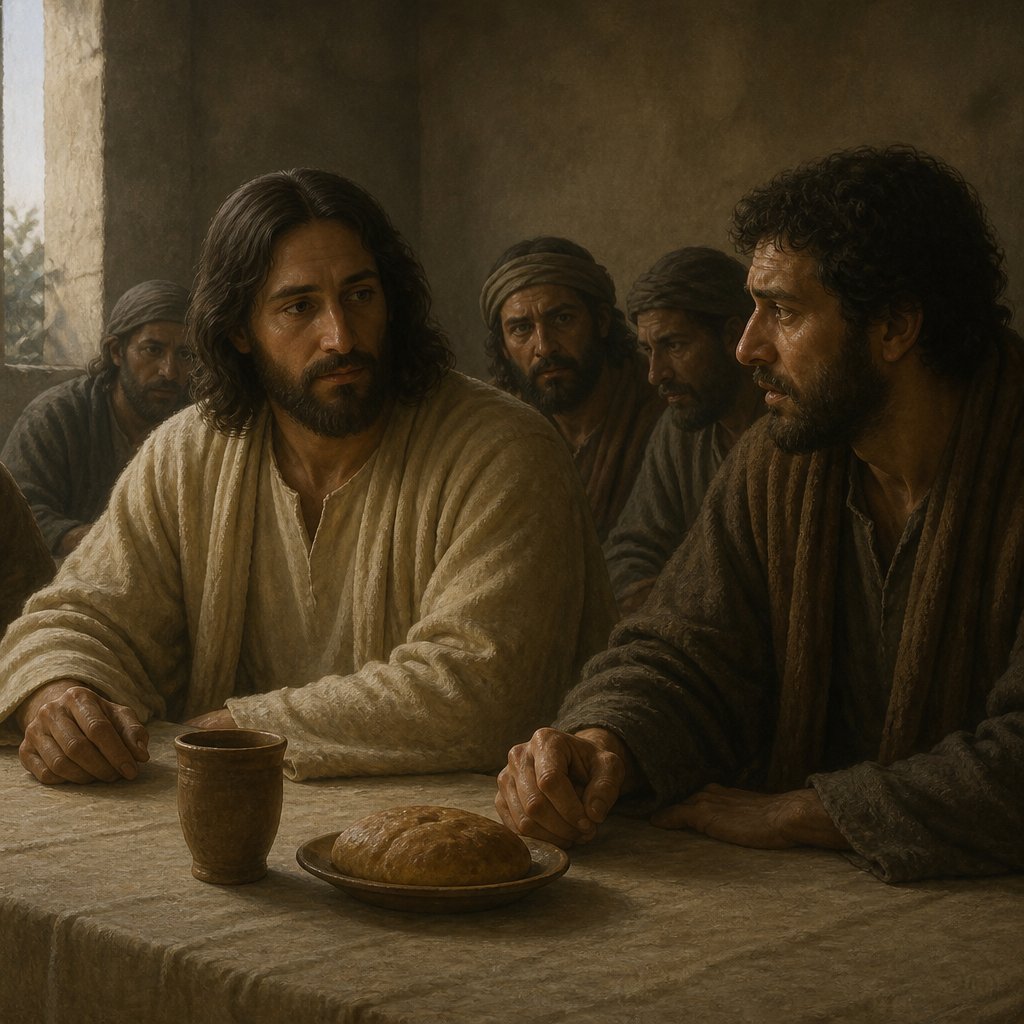
As we delve into the poignant and profound words of Luke 22:21, "But, behold, the hand of him that betrayeth me is with me on the table," we are invited to reflect on a moment steeped in emotion and foreshadowing. This verse captures a climactic instant during the Last Supper, where Jesus shared His final meal with His disciples before His crucifixion, surrounded by those He loved dearly — including the one who would ultimately betray Him.
### The Weight of Betrayal
To understand the gravity of this verse, we must recognize the context in which it was spoken. Jesus was fully aware of His impending fate, the crucifixion, and the betrayal that was set in motion by one of His chosen twelve. Judas Iscariot, the traitor, sat at the table, sharing fellowship with the very One whom he would betray. How painful it must have been for Jesus to acknowledge the hand that would deliver Him to death was next to Him, engaging in communion. This raw moment illustrates the stark reality of human frailty — a profound reminder that those we love and trust can sometimes cause us the deepest pain.
### The Table as a Symbol
The table, a symbol of communion and fellowship, suddenly becomes a place of profound conflict. In biblical tradition, sharing a meal signifies deep intimacy; it’s a sacred act of unity. Yet here, at this same table, betrayal lurks. How often do we find ourselves at tables filled with both love and betrayal? Perhaps not in the same way as Jesus, yet we can relate to the complexities of human relationships where trust and loyalty can be shattered. The fellowship at the table also signifies the duality of human experience — we are deeply interconnected, yet capable of actions that wound and betray.
### Jesus’ Response to Betrayal
In this moment, Jesus does not express wrath or vengeance. Instead, He acknowledges the reality of betrayal with grace and truth. His calm demeanor amidst impending betrayal reflects the heart of God — a heart that loves despite the pain caused by our choices. This offers us profound lessons. How do we respond to those who betray us? Do we harbor bitterness, or do we choose the path of love and forgiveness? Jesus’ example compels us to look at our relationships and our responses.
### The Invitation Toward Forgiveness
As we reflect on this moment at the table, we are also reminded of the grace that the Gospel extends toward all of humanity. Jesus, knowing Judas would betray Him, still allowed him to sit at the table. This speaks volumes about the nature of divine grace, which is freely given, even to those who may misuse it. We are called to extend such grace in our own lives, offering forgiveness even when it feels undeserved. Just as Jesus walked the path of suffering for the sake of love, we, too, may be called to endure relational hardships to mirror that love.
### Our Place at the Table
We must also ask ourselves: What does it mean for us to be at the table with Jesus today? Are we aligned with Him, or are we sometimes like Judas, betraying the very principles we profess? This moment in Luke encourages self-examination. Are we bringing our true selves to the table? Are we genuinely pursuing the relationship, or are we playing a part? We are invited into authentic fellowship with Christ, who desires honesty and transparency in our relationship with Him.
### Conclusion
Ultimately, Luke 22:21 is a powerful reminder of the coexistence of love and betrayal in our lives. As we sit at the table with Jesus, may we be aware of the complexities of our hearts and seek to embody His grace. Let us strive to be vessels of forgiveness rather than betrayal, extending grace to ourselves and to others. Though shadows may loom over our relationships, the light of Christ invites us to experience redemption, love, and unity at His table.
Want to reflect more on Luke 22:21?
Continue your spiritual journey with Bible Chat — an AI-powered tool for exploring God's Word through conversation. Ask questions, discover connections, and deepen your understanding.
Get Our Apps


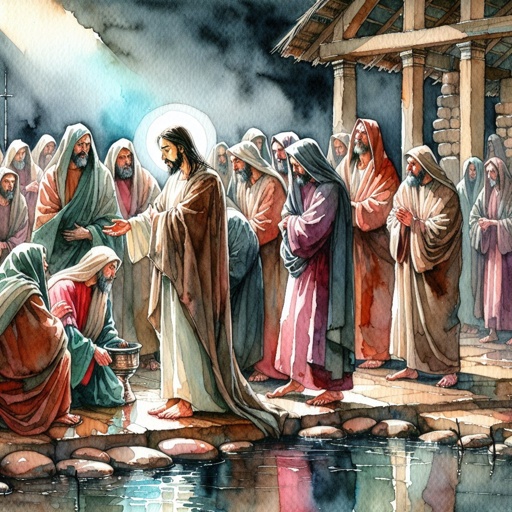
Luke 22:21 Artwork

Luke 22:21 - "¶ But, behold, the hand of him that betrayeth me is with me on the table."
"¶ But, behold, the hand of him that betrayeth me is with me on the table." - Luke 22:21

Luke 21:22 - "For these be the days of vengeance, that all things which are written may be fulfilled."
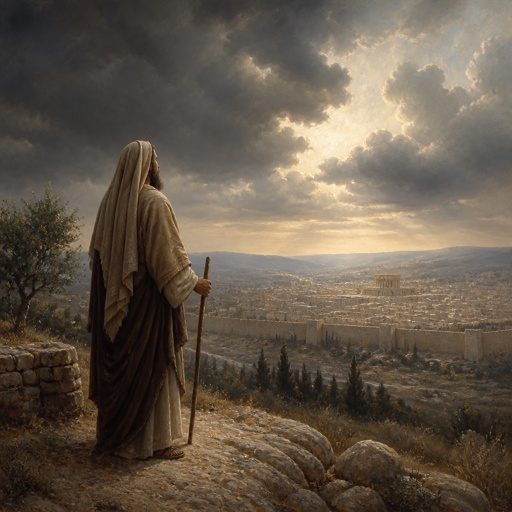
"For these be the days of vengeance, that all things which are written may be fulfilled." - Luke 21:22

Luke 13:20-21

Luke 13:20-21
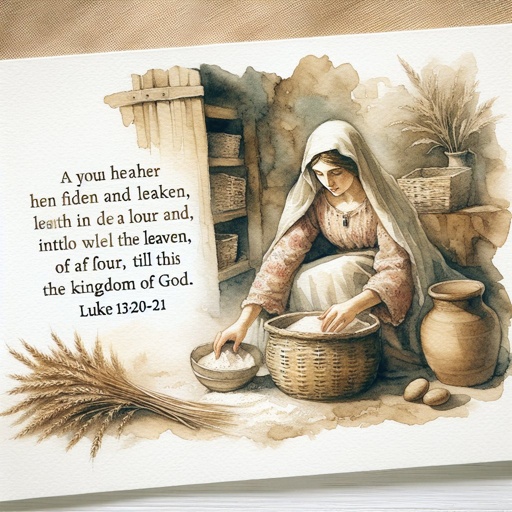
Luke 13:20-21

Luke 13:20-21

Luke 13:20-21

Matthew 9:21-22

luke 22:42

Luke 22:39

Luke 22:61,62

Luke 15:21

Luke 21:24

Luke 15:21

Luke 22:39

luke 22 44
luke 22:42

Luke 22:42

Matthew 9:21-22

Matthew 9:21-22

Matthew 9:21-22

Matthew 9:21-22

Genesis 21:22

Genesis 22-21

Luke 6:21-26

luke 21:5-19

Luke 16:22-26

Luke 6:21-26