The Dilemma of Belief: Wrestling with Divine Authority
"And they reasoned with themselves, saying, If we shall say, From heaven; he will say, Why then believed ye him not?" - Luke 20:5
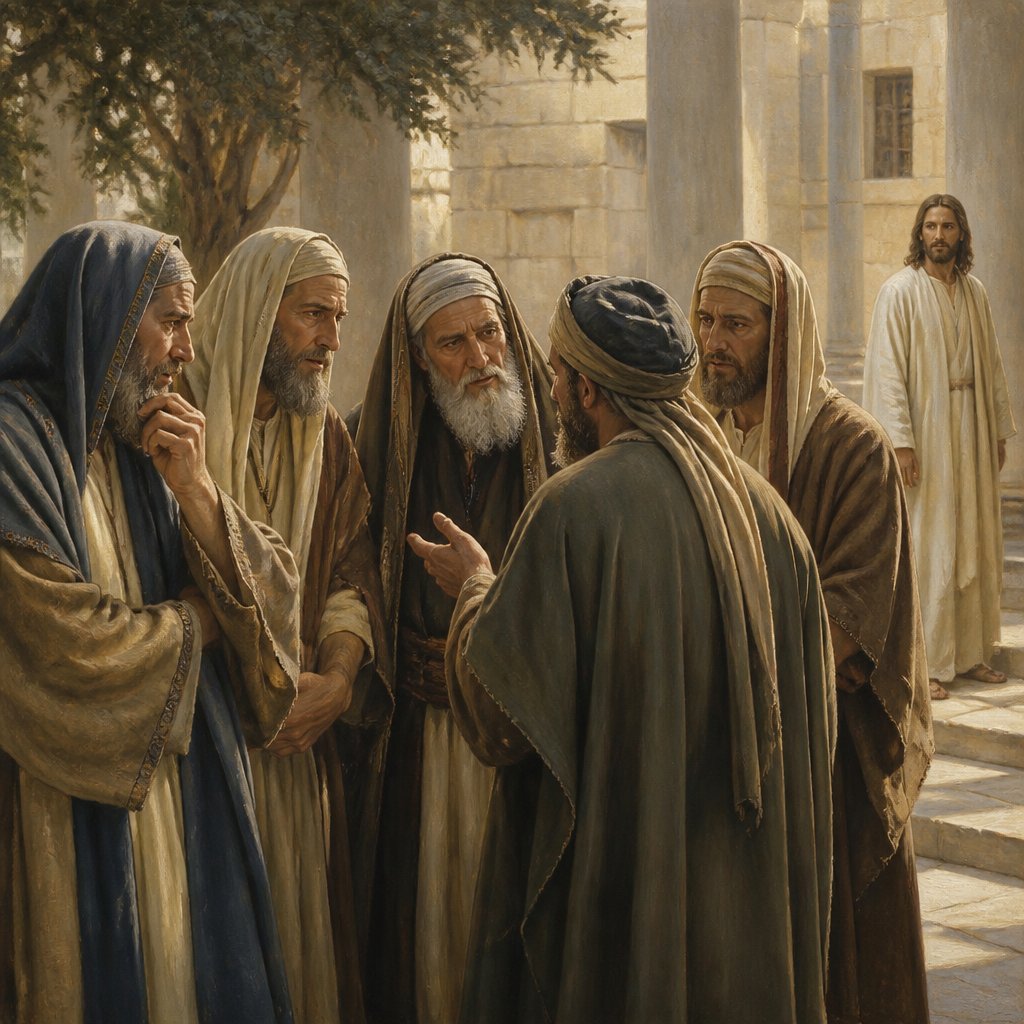
The verse from Luke 20:5, "And they reasoned with themselves, saying, If we shall say, From heaven; he will say, Why then believed ye him not?" encapsulates a critical moment of conflict among the religious leaders of Jesus’ time. This passage speaks volumes not only about their struggle to confront Jesus’ authority but also about our own interactions with faith and truth.
To understand the full weight of this verse, we must appreciate the context in which it occurs. Jesus had just entered Jerusalem, and the authority of the religious leaders was being challenged by his profound teachings and miraculous acts. The Jewish leaders were in disarray. They had to maintain their position among the people yet faced a poignant truth that they could neither ignore nor escape. The challenge of believing in Jesus is not just a historical reflection; it is a perpetual dilemma that continues to resonate with us today.
In their reasoning, the leaders held a inquiry—a typical human tendency to weigh evidence and come to logical conclusions. They were caught in a web woven from skepticism and self-interest.
When they pondered, "If we shall say, From heaven; he will say, Why then believed ye him not?" they were attempting to deduce a safe answer that wouldn’t jeopardize their power. They understood they had a choice: to accept Jesus as the divine authority he claimed to be or to reject him, fully aware of the implications of their decision. This moment of reasoning reflects a universal human experience—confronted with truth, we often grapple with doubts that stem from the impact of our choices.
Jesus had spoken openly and demonstrated his heavenly authority in miracles, parables, and wisdom. Yet the leaders’ fear of losing their influence led them to rationalize their rejection of this truth. Their response reveals a heartbreaking irony—by choosing to question the divine source of truth, they rendered themselves blind.
This moment leads us to a deeply personal reflection. Are there areas in our lives where our reasoning clouds our belief? Just as the chief priests and scribes had to confront their biases, we too must consider what truths we are ready to accept or reject. How often do we reason with ourselves, creating excuses to avoid the implications of faith in our own lives? Are we willing to admit when we have disbelieved, even in the face of overwhelming evidence?
The real danger lies not only in disbelief, but in the willful ignorance to self-examine our faith. Much like the leaders who saw the miracles but could not believe, we might witness God’s hand at work yet still harbor skepticism. We create a façade of faith while primarily relying on our own reasoning. This paradox is delightful and dreadful at the same time; it invites a conversation about faith that is often devoid of honesty.
Jesus’ reply, asking why they did not believe, echoes over the centuries. His expectation for believers is that we acknowledge divine authority and respond with faith that is rooted in trust rather than intellectual skepticism. Our heart’s response to the Gospel cannot be masked by clever arguments or human logic.
Let us then commit ourselves to move beyond our reasons. Engage with this tension actively. Ask yourself today: Are there beliefs I am withholding, or truths I am skirting due to fear or doubt? Am I evaluating Jesus and his Word through the lens of my expectations rather than his divine nature?
The dialogue continues: God invites us to wrestle with faith in truth, calling us into deeper understanding while holding us accountable to his revelations. May we choose to acknowledge Jesus’ authority and embrace the truth of his message, allowing it to transform our hearts and lives. In doing so, we step into a living faith, ready to experience the fullness of belief.
Want to reflect more on Luke 20:5?
Continue your spiritual journey with Bible Chat — an AI-powered tool for exploring God's Word through conversation. Ask questions, discover connections, and deepen your understanding.
Get Our Apps


Luke 20:5 Artwork
Luke 20:5 - "And they reasoned with themselves, saying, If we shall say, From heaven; he will say, Why then believed ye him not?"
"And they reasoned with themselves, saying, If we shall say, From heaven; he will say, Why then believed ye him not?" - Luke 20:5

Luke 5:20 - "And when he saw their faith, he said unto him, Man, thy sins are forgiven thee."

Luke 13:20-21

Luke 13:20-21

Luke 5:20-21 - "When Jesus saw their faith, he said, “Friend, your sins are forgiven.” The Pharisees and the teachers of the law began thinking to themselves, “Who is this fellow who speaks blasphemy? Who can forgive sins but God alone?”"

Luke 13:20-21

Luke 13:20-21
Luke 13:20-21
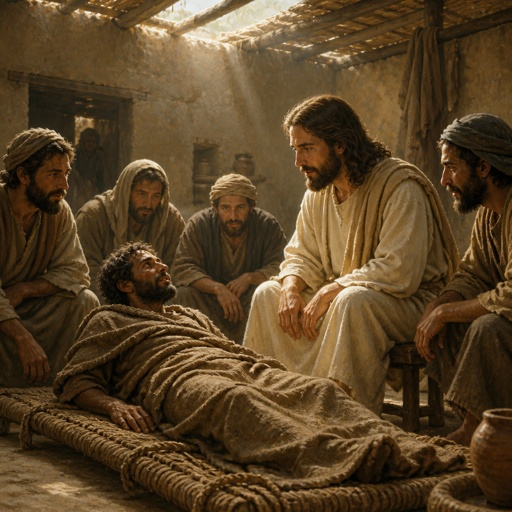
"And when he saw their faith, he said unto him, Man, thy sins are forgiven thee." - Luke 5:20

luke 5:5

Luke 20:28

Luke 2:1-20

Luke 10:5

Luke 10:5

Luke 20:7 - "And they answered, that they could not tell whence it was."

Luke 10:5
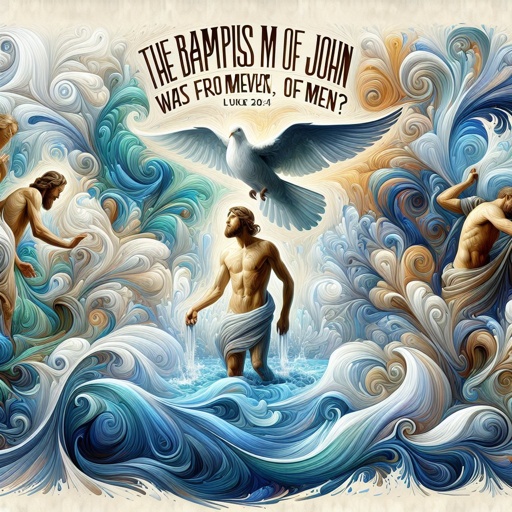
Luke 20:4 - "The baptism of John, was it from heaven, or of men?"

Luke 20:32 - "Last of all the woman died also."

Luke 20:22 - "Is it lawful for us to give tribute unto Caesar, or no?"

Luke 5:36

Luke 5:39
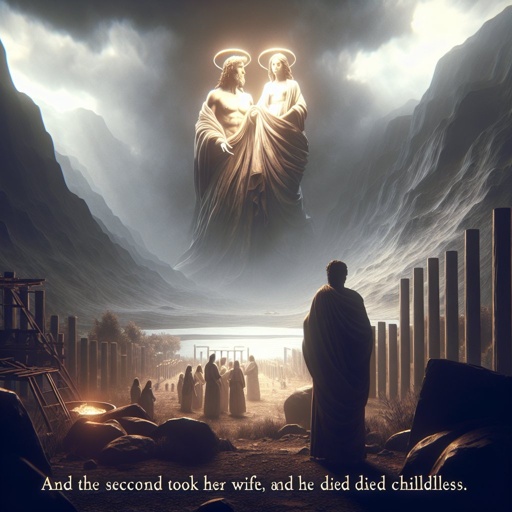
Luke 20:30 - "And the second took her to wife, and he died childless."

Luke 20:40 - "And after that they durst not ask him any question at all."

Luke 20:43 - "Till I make thine enemies thy footstool."

Luke 20:45 - "¶ Then in the audience of all the people he said unto his disciples,"

Luke 20:38 - "For he is not a God of the dead, but of the living: for all live unto him."

Luke 23:20 - "Pilate therefore, willing to release Jesus, spake again to them."

Genesis 20-5

Luke 8:5-8