The Resurrection Debated: Understanding Life Beyond Death
"¶ Then came to him certain of the Sadducees, which deny that there is any resurrection; and they asked him," - Luke 20:27
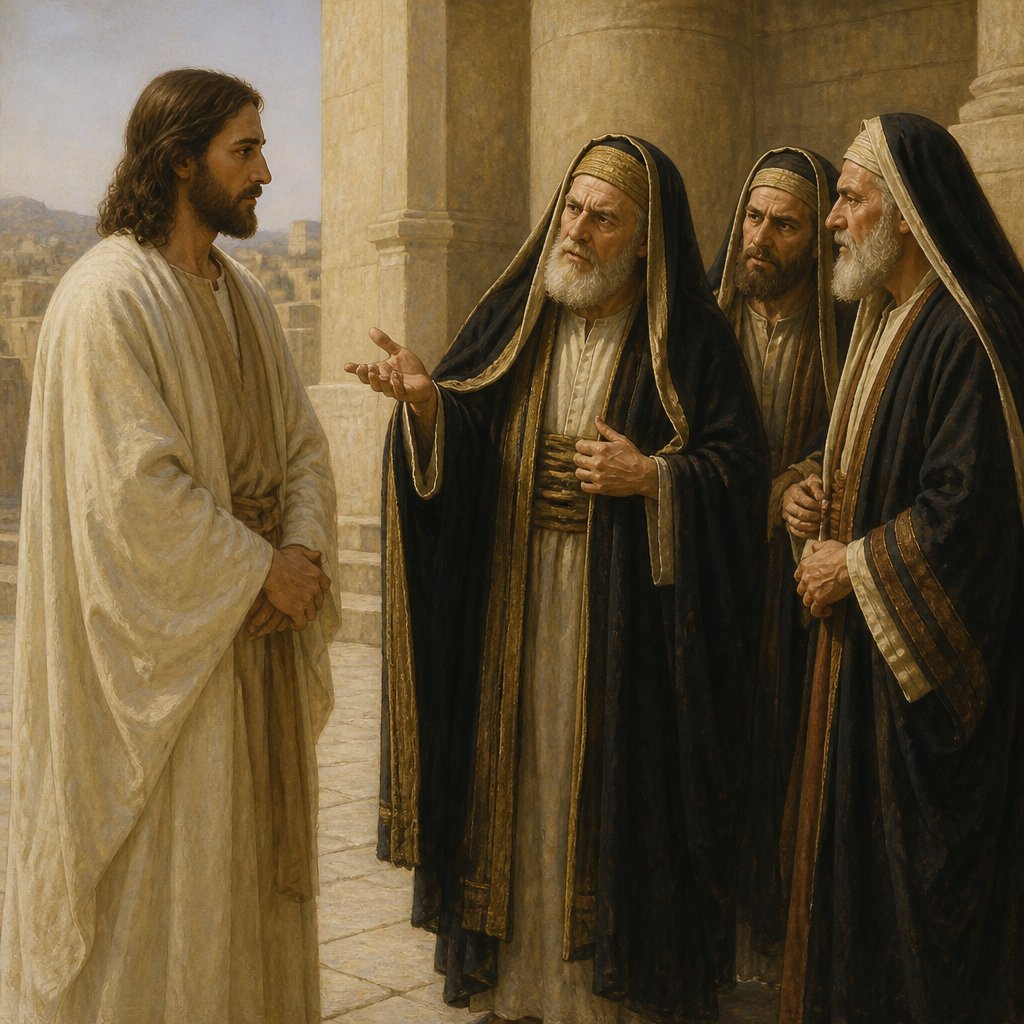
**Luke 20:27 KJV: "Then came to him certain of the Sadducees, which deny that there is any resurrection; and they asked him,"
In the Gospel of Luke, we encounter a compelling scene where Jesus is approached by the Sadducees—a group known for their strict adherence to the Torah and their rejection of the resurrection of the dead. This moment is significant not only for its theological implications but also for what it reveals about our understanding of life, death, and hope in a resurrection.
The Sadducees were influential figures in Jewish society, often holding positions of power in the religious and political realms. Their denial of the resurrection likely stemmed from an attachment to materialism and a belief that life is limited to what one can see and experience in the here and now. It’s easy to relate to their skepticism when we live in a world that values empirical evidence, but this interaction challenges us to reflect deeply on our faith and theological understanding.
When they approached Jesus, their goal was to trap him in his words to discredit his teachings. They posed a complicated scenario about a woman who married seven brothers, one after the other, all dying childless. Their question was a clever attempt to illustrate what they believed was the absurdity of the resurrection: if there is indeed a resurrection, whose wife would she be in the afterlife?
In Luke 20:27 KJV, we see not only a challenge to Jesus but also an opportunity for Him to clarify the truth about eternal life. This encounter serves as a powerful reminder that the question of resurrection extends beyond mere theological debate; it touches the very core of Christian belief and salvation. Jesus’ response to them reveals profound truths about God’s nature and the eternal reality that awaits us.
As we reflect on this interaction, we must first consider the nature of our belief in resurrection. The resurrection is not just a theological tenet; it is a proclamation of our hope as Christians. Paul reminds us in 1 Corinthians 15:20-22 KJV that Christ's resurrection is the first fruits of those who have fallen asleep. Because of Christ’s victory over death, we, too, are promised resurrection. Jesus does not leave us to wonder about the afterlife; he defines it as an existence far surpassing our earthly understanding. In His reply to the Sadducees, He demonstrates that God is not the God of the dead, but of the living. This assertion carries great weight since it underlines that our relationships and existence continue beyond physical death.
Additionally, we are reminded of the importance of understanding Scripture and God’s power. The Sadducees were learned in the law but flawed in their perception of God’s character. Jesus calls them to account for their misunderstanding, showing that only those who trust in God’s word can grasp the fullness of life eternal. How often do we, too, misunderstand or misinterpret God’s promises? When faced with doubt and questions about life after death, we can lean on God’s Word to provide us clarity and assurance.
Moreover, this passage challenges us to evaluate our own beliefs. Just as the Sadducees allowed their interpretations to limit their understanding of God’s power, we must not let our preconceptions bind us. God’s ability to resurrect life is not contained by our human logic but rather boundless, extending into eternity. Each day, we should seek a deeper connection with the truth of Scripture, allowing it to inform our lives and our perceptions of God’s mighty works.
As we meditate on Luke 20:27, let us renew our commitment to acknowledge the profound truth of the resurrection not just as a doctrine, but as the bedrock of our hope and faith. In grappling with the reality of life after death, we can find immense freedom, joy, and purpose in our earthly journey—knowing it is not the end but the beginning of a glorious existence with our Heavenly Father.
Want to reflect more on Luke 20:27?
Continue your spiritual journey with Bible Chat — an AI-powered tool for exploring God's Word through conversation. Ask questions, discover connections, and deepen your understanding.
Get Our Apps


Luke 20:27 Artwork

Luke 20:27 - "¶ Then came to him certain of the Sadducees, which deny that there is any resurrection; and they asked him,"

Luke 20:27-38. All people of color.
"¶ Then came to him certain of the Sadducees, which deny that there is any resurrection; and they asked him," - Luke 20:27

luke 1:27

luke 6: 27

Luke 10:27

Exodus 27:20

Exodus 27:20

John 20:27

Exodus 27:20

John 20:27

Luke 6: 27-38

Luke 6:27-38

Luke 13:28-27

Luke 13:28-27

Luke 13:28-27

Luke 13:20-21

Luke 13:20-21

Luke 13:20-21

Luke 13:20-21
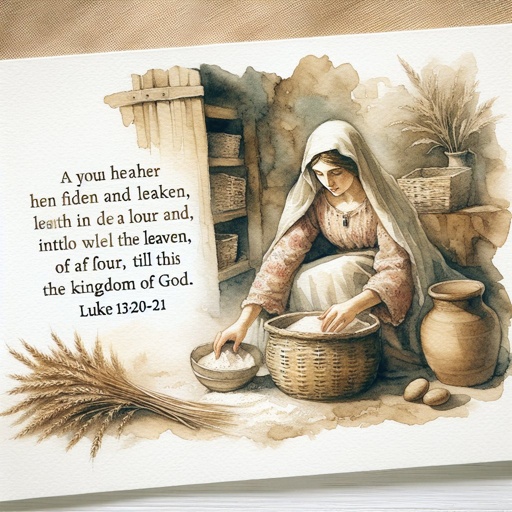
Luke 13:20-21

Exodus 27:19-20

Luke 20:28

1 Samuel 20:27-29
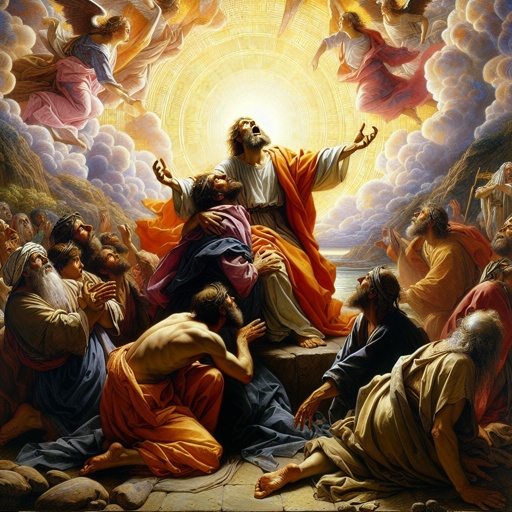
1 Samuel 20:27-30

Ezekiel 27:20 - "Dedan was thy merchant in precious clothes for chariots."

Luke 18:27 - "And he said, The things which are impossible with men are possible with God."

Luke 2:1-20

Luke 20:7 - "And they answered, that they could not tell whence it was."

Luke 21:27 - "And then shall they see the Son of man coming in a cloud with power and great glory."