Rendering Unto What is Due: A Deep Dive into Luke 20:22
"Is it lawful for us to give tribute unto Caesar, or no?" - Luke 20:22
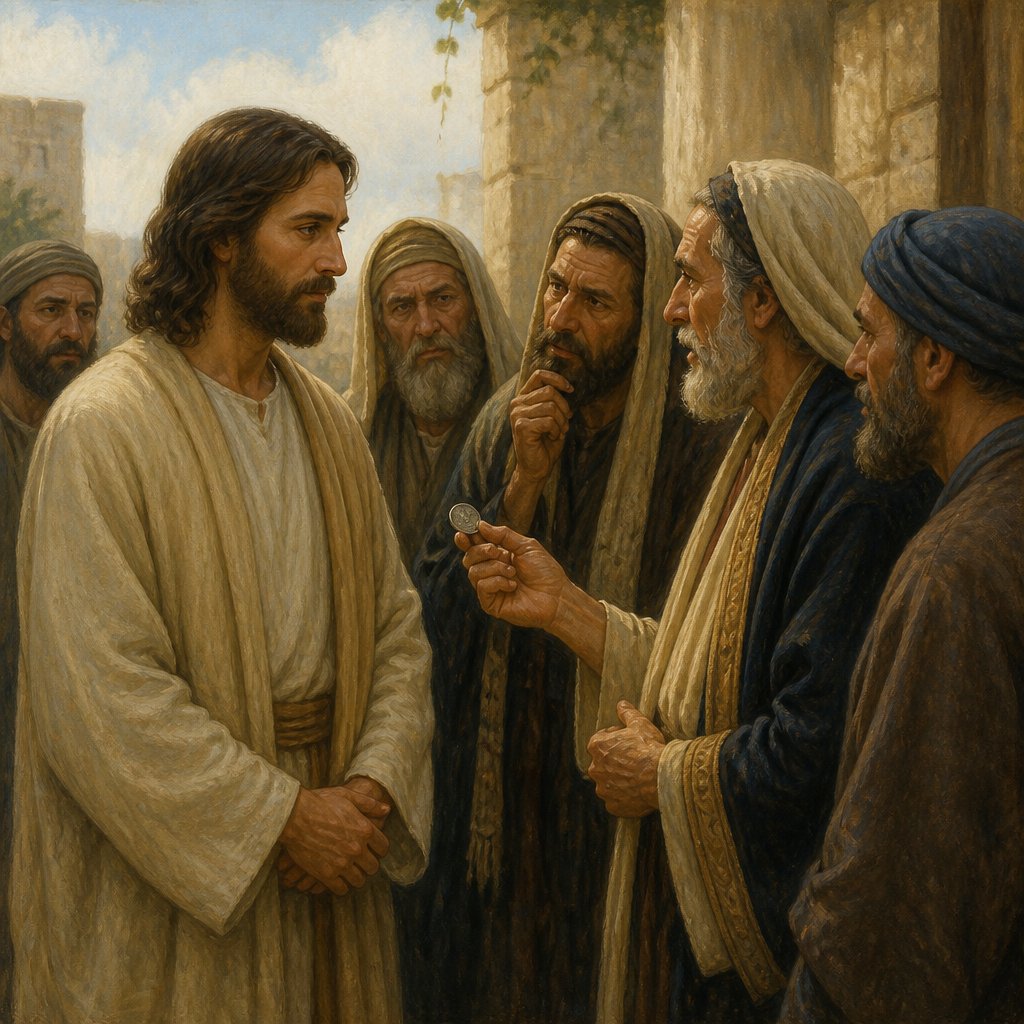
In the biblical account from Luke 20:22, we encounter a profound question posed by the religious leaders to Jesus: "Is it lawful for us to give tribute unto Caesar, or no?" This inquiry was not merely about the logistical or moral implications of paying taxes; it was a calculated trap, designed to challenge Jesus amidst a charged atmosphere of political tension and religious authority.
The context of this verse is critical. During this time, Israel was under Roman occupation, and the imposition of taxes was a source of considerable resentment among the Jewish populace. The Pharisees and Herodians, who were political and religious adversaries, collaborated in this moment, seeking to entangle Jesus in His words, creating a dilemma that could alienate Him from either His followers who resent Rome or from the authorities who might view His answers as incitement.
Jesus’ response is significant and layered. He asked for a denarius, the coin used for the tribute, and inquired whose image and inscription were on it. When they replied it was Caesar’s, He delivered one of His most quoted teachings: "Render therefore unto Caesar the things which be Caesar's, and unto God the things which be God's" (Luke 20:25, KJV). This statement brilliantly evaded their trap while conveying several crucial principles that resonate deeply with us today.
First, Jesus acknowledges the reality of secular authority. The phrase ‘Render therefore unto Caesar’ affirms that there is legitimacy to civil governance and societal structures. As followers of Christ, we are reminded that we live in a world where we must interact with worldly systems, whether we like them or not. Romans 13:1 underscores this idea: "Let every soul be subject unto the higher powers. For there is no power but of God: the powers that be are ordained of God" (KJV). Our obedience to lawful authority is part of our witness as believers.
However, the latter part of Jesus’ statement is equally vital. 'And unto God the things which be God's' emphasizes our ultimate allegiance to God. Here lies a profound truth; while we are called to fulfill our obligations to society, we must never lose sight of our foremost responsibility—our devotion to God. In stewarding our lives, we acknowledge that our time, talents, and resources ultimately belong to Him. As we go about our daily lives, we must ask ourselves: Are we rendering to God what is rightfully His?
Jesus’ answer embodies a balance between responsibilities to the state and to God, and this tension is one that we navigate even today. There are times when allegiance to God may conflict with worldly demands—through issues of morality, ethics, and righteousness. As Christians, we are called to discern how best to honor Him in our decisions. Acts 5:29 reminds us, "We ought to obey God rather than men" (KJV), showcasing that our fidelity to God is first and foremost.
Furthermore, the concept of ‘image’ should not be overlooked. The coin bore the image of Caesar, signifying his authority in monetary terms. In Genesis 1:27, we find that humanity is created in the image of God. The image we bear dictates our worship; we are made to reflect His glory in every facet of our existence. Thus, our existence is not merely about currency or laws, but about a deeper calling to reflect the character of Christ in our society.
As we ponder Luke 20:22, let us consider how we balance our responsibilities in a worldly context while remaining grounded in our ultimate allegiance to God. Are we rendering to Caesar with a grumbling heart, or are we honoring God in our service? Let’s take time to pray and ask the Lord to help us navigate these dual citizenships faithfully.
In conclusion, Luke 20:22 challenges us to engage thoughtfully with the world we inhabit while ensuring our primary allegiance remains directed towards our Creator. As we reflect on our lives and the decisions we make, may we always seek to honor God in our ‘rendering’—be it to Caesar or in our daily interactions with those around us.
Want to reflect more on Luke 20:22?
Continue your spiritual journey with Bible Chat — an AI-powered tool for exploring God's Word through conversation. Ask questions, discover connections, and deepen your understanding.
Get Our Apps


Luke 20:22 Artwork

Luke 20:22 - "Is it lawful for us to give tribute unto Caesar, or no?"
"Is it lawful for us to give tribute unto Caesar, or no?" - Luke 20:22

Luke 22:20 - "Likewise also the cup after supper, saying, This cup is the new testament in my blood, which is shed for you."
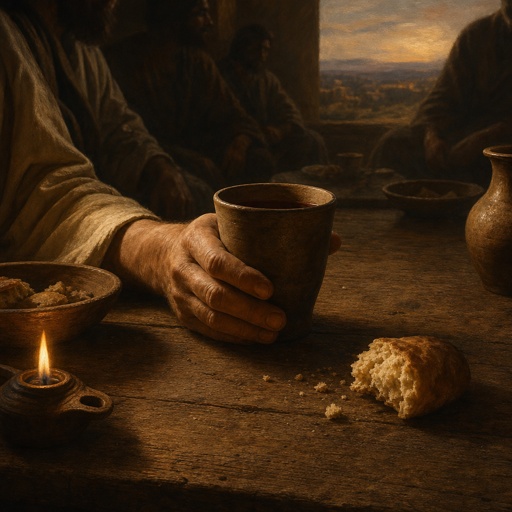
"Likewise also the cup after supper, saying, This cup is the new testament in my blood, which is shed for you." - Luke 22:20

Luke 13:20-21

Luke 13:20-21

Luke 13:20-21

Luke 13:20-21
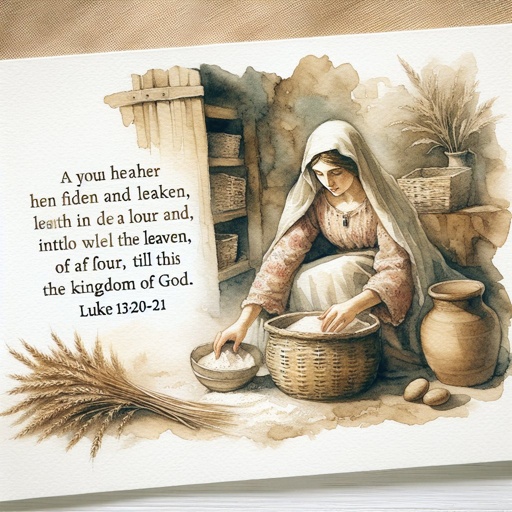
Luke 13:20-21
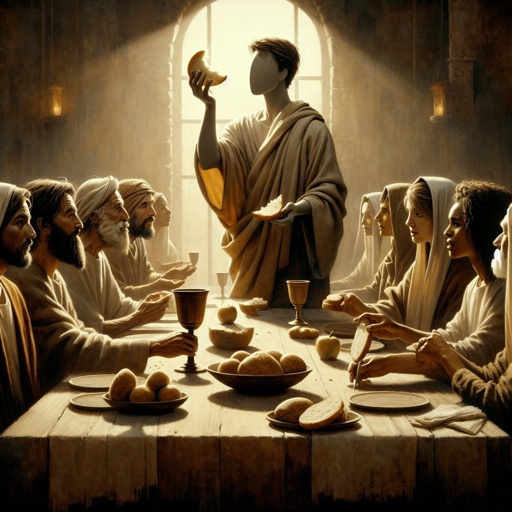
Luke 22:19-20 - "And he took bread, gave thanks and broke it, and gave it to them, saying, “This is my body given for you; do this in remembrance of me.” In the same way, after the supper he took the cup, saying, “This cup is the new covenant in my blood, which is poured out for you."

luke 22:42

Luke 22:39

Luke 22:61,62

Luke 22:39

luke 22 44
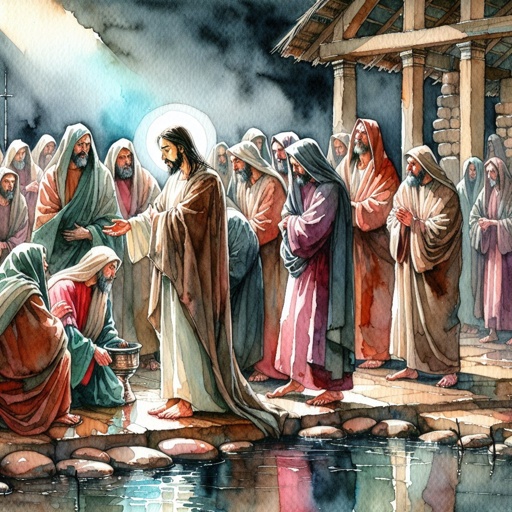
luke 22:42

Luke 22:42

Luke 20:28

Genesis 22-20

Luke 16:22-26

Luke 2:1-20

Luke 20:7 - "And they answered, that they could not tell whence it was."

Luke 22:62 - "And Peter went out, and wept bitterly."

Luke 20:32 - "Last of all the woman died also."
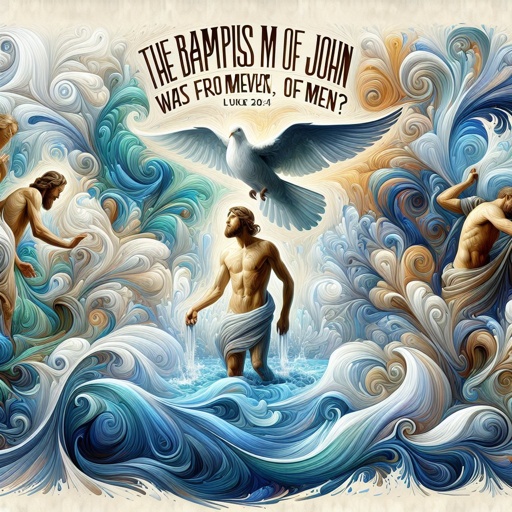
Luke 20:4 - "The baptism of John, was it from heaven, or of men?"

Luke 22:5 - "And they were glad, and covenanted to give him money."

Luke 22:28 - "Ye are they which have continued with me in my temptations."

Luke 22:65 - "And many other things blasphemously spake they against him."

Luke 22:63 - "¶ And the men that held Jesus mocked him, and smote him."

Luke 22:31-32 - "Luke 22:31-32: And the Lord said, Simon, Simon, behold, Satan hath desired to have you, that he may sift you as wheat: But I have prayed for thee, that thy faith fail not: and when thou art converted, strengthen thy brethren."