The Faithfulness of God: Remembering His Covenantal Promises
"to perform the mercy promised to our fathers, and to remember his holy covenant; The oath which he sware to our father Abraham," - Luke 1:72-73
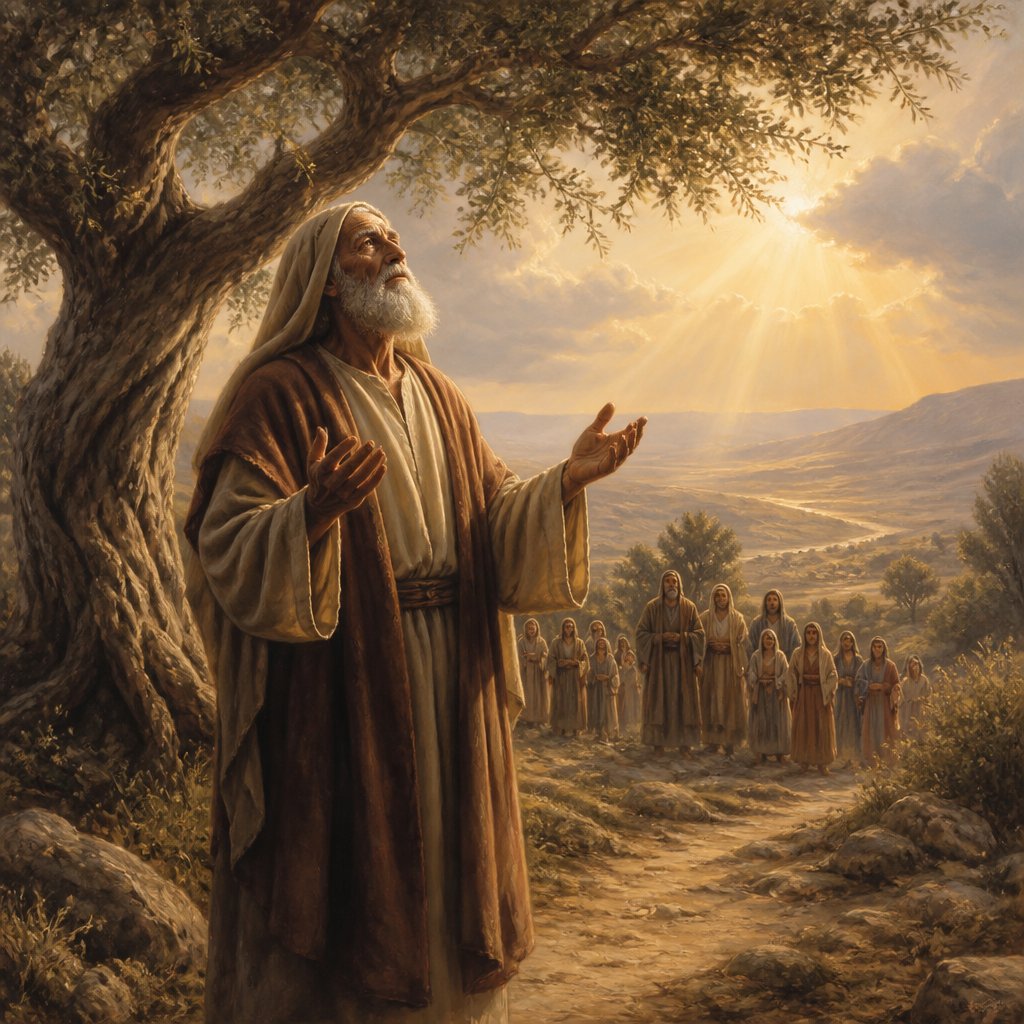
**Introduction**
In the Gospel of Luke, we find the profound acknowledgment of God’s faithfulness through the words of Zechariah, the father of John the Baptist. He declares, "to perform the mercy promised to our fathers, and to remember his holy covenant; The oath which he sware to our father Abraham" (Luke 1:72-73, KJV). This passage, rich in theological depth, invites us to reflect on the essence of God’s covenant and the unwavering assurance of His mercy through the generations.
**Understanding God’s Promises**
The significance of God’s covenants cannot be overstated. A covenant represents a sacred agreement between God and humanity, marked by divine promises and expectations. The covenant with Abraham is particularly critical in scripture, for it introduces the theme of divine election and grace. God chose Abraham to be the father of many nations, promising blessings not only to him but through him to all humanity. In Genesis 12:2-3, God declares, "And I will make of thee a great nation, and I will bless thee, and make thy name great; and thou shalt be a blessing. And I will bless them that bless thee, and curse him that curseth thee: and in thee shall all families of the earth be blessed."
As we read Luke 1:72-73, we see how the coming of Christ is the fulfillment of promises made centuries earlier. God’s statement to perform the mercy promised reflects His character: a God who keeps His word. This promise is not just a future hope but has tangible fulfillment in Jesus Christ, who embodies God’s mercy and faithfulness.
**God’s Mercy in Our Lives**
Mercy is undeniably central to God’s relationship with His people. The mercy mentioned in these verses speaks to God’s forgiveness and compassion — qualities that reach out to humanity despite our shortcomings. As we ponder the nature of mercy, we confess how often we need it. Daily, we struggle with sin, doubt, and moments where our faith wavers. Yet, God’s covenant represents His readiness to forgive, to restore, and to walk alongside us as we navigate our imperfection. This mercy is not abstract; it is alive and transformative.
The message of God’s mercy encourages us in our personal journeys. We can rest in the knowledge that regardless of our past, God is committed to redeeming and restoring us. His grace extends beyond the bounds of time and space. The promise to Abraham culminates not only in Israel's history but also in personal invitations for each of us. Today, God calls us to experience His mercy anew, reminding us that His covenantal love holds fast even when we falter.
**The Importance of Remembrance**
When Zechariah speaks of "remembering his holy covenant," he directs our attention to the necessity of remembrance in our spiritual lives. Throughout scripture, God’s people are called to remember His acts, His promises, and His faithfulness. Remembrance fosters gratitude, refuels our hope, and strengthens our faith.
As believers, we are invited to reflect upon our own lives and recognize the blessings and mercies that God has showered upon us. When we recall the moments where we have seen God’s hand at work — in answered prayers, in healing, in provision — we build our faith and assurance in His ongoing work.
**Living in Covenant Faith**
Living in light of God’s covenant requires faith, and faith is often a journey marked by ups and downs. Just as Abraham had moments of doubt yet chose to trust God, we too can find strength in persevering through uncertainties. Our response to God’s faithfulness should be a life transformed by His mercy, extending grace to others, as He first extended mercy to us.
**Conclusion**
As we meditate on Luke 1:72-73, let us hold tightly to the truth that our God is a promise-keeping God. His oath to Abraham is not just a tale from the past; it is a living testament of His character and intention to bring healing and mercy into our lives today. May we embrace this commitment and walk confidently in the assurance that God’s mercy is ever present, leading us toward a future defined by His unbreakable promises.
Want to reflect more on Luke 1:72-73?
Continue your spiritual journey with Bible Chat — an AI-powered tool for exploring God's Word through conversation. Ask questions, discover connections, and deepen your understanding.
Get Our Apps


Luke 1:72-73 Artwork

Luke 1:72-73 - "to show mercy to our ancestors and to remember his holy covenant, the oath he swore to our father Abraham."
"to show mercy to our ancestors and to remember his holy covenant, the oath he swore to our father Abraham." - Luke 1:72-73

Luke 1:73 - "The oath which he sware to our father Abraham,"

Luke 1:72 - "To perform the mercy promised to our fathers, and to remember his holy covenant;"

"The oath which he sware to our father Abraham," - Luke 1:73
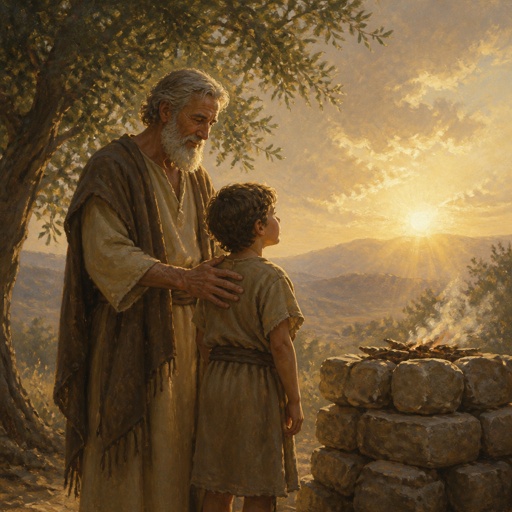
"To perform the mercy promised to our fathers, and to remember his holy covenant;" - Luke 1:72

Psalm 73:3

Psalm 73:2

Psalm 73:2

1 Chronicles 6:73 - "And Ramoth with her suburbs, and Anem with her suburbs:"

Psalms 73:1 - "Truly God is good to Israel, even to such as are of a clean heart."

1 Chronicles 6:72 - "And out of the tribe of Issachar; Kedesh with her suburbs, Daberath with her suburbs,"

Psalms 72:1 - "Give the king thy judgments, O God, and thy righteousness unto the king's son."

"And Ramoth with her suburbs, and Anem with her suburbs:" - 1 Chronicles 6:73

"Truly God is good to Israel, even to such as are of a clean heart." - Psalms 73:1
"And out of the tribe of Issachar; Kedesh with her suburbs, Daberath with her suburbs," - 1 Chronicles 6:72

Psalm 73:25-26

Psalms 72:20 - "The prayers of David the son of Jesse are ended."

"Give the king thy judgments, O God, and thy righteousness unto the king's son." - Psalms 72:1

Psalm 73:25-26

Psalms 73:4 - "For there are no bands in their death: but their strength is firm."

Matthew 26:72 - "And again he denied with an oath, I do not know the man."

Psalms 72:3 - "The mountains shall bring peace to the people, and the little hills, by righteousness."

Psalms 72:13 - "He shall spare the poor and needy, and shall save the souls of the needy."

Psalms 73:16 - "When I thought to know this, it was too painful for me;"

Psalms 73:12 - "Behold, these are the ungodly, who prosper in the world; they increase in riches."

Psalms 73:19 - "How are they brought into desolation, as in a moment! they are utterly consumed with terrors."

Psalms 72:2 - "He shall judge thy people with righteousness, and thy poor with judgment."

Numbers 7:72 - "¶ On the eleventh day Pagiel the son of Ocran, prince of the children of Asher, offered:"

Psalms 119:72 - "The law of thy mouth is better unto me than thousands of gold and silver."