Saved From Our Enemies: A Divine Promise
"That we should be saved from our enemies, and from the hand of all that hate us;" - Luke 1:71

As we delve into the rich tapestry of Scripture, we find that the Gospel of Luke offers us profound insights into the heart of God and His mission for humanity. In Luke 1:71, we read, "That we should be saved from our enemies, and from the hand of all that hate us;" This verse captures the essence of God's redemptive plan as conveyed through the prophecy of Zechariah, John the Baptist's father. It highlights the overarching theme of salvation that runs throughout the Bible, revealing not only physical liberation but also spiritual deliverance from sin and oppression.
To understand the weight of this promise, we must first consider the context in which this declaration was made. Zechariah spoke these words during his prophetic utterance after the birth of his son, John. For the Jewish people of that time, the concept of enemies was very real. They were under Roman rule, experiencing oppression, persecution, and a deep longing for a Messiah who would usher in freedom. When Zechariah proclaimed this hope, he was not only addressing their immediate concerns but was also assuring them of a greater purpose—the coming of salvation through Jesus Christ.
The biblical narrative is abundant with themes of conflict and struggle against enemies. From the Israelites fleeing Egypt to David's battles with the Philistines, God's people have often faced adversaries. This verse reassures the faithful that God is keenly aware of the trials that beset them. He doesn’t promise an absence of enemies, but rather the certainty of deliverance from them. This promise speaks to the broader reality of spiritual warfare that Christians face today. We encounter enemies not only in the form of external opposition but also in the internal battles of sin, fear, and doubt.
In light of this verse, let's explore what it means to be saved from our enemies and what that entails for us as followers of Christ. The word "saved" here implies a rescue not just from physical threats but also from spiritual bondage. In our modern context, we wrestle not against flesh and blood, but against powers and principalities (Ephesians 6:12). The true enemy is sin, which ensnares us and separates us from God. In saving us from our enemies, Jesus provides a way for redemption, turning our struggles into testimonies of His grace.
Moreover, this salvation fosters a transformative relationship with Christ. When we accept His gift of salvation, we are not only freed from the chains of sin but also empowered to overcome the hatred and bitterness that can ensnare our hearts. The grace that saves us also cultivates love within us, allowing us to respond to our enemies not with vengeance but with the radical love that Jesus exemplified. The apostles lived this out, as they faced persecution and hatred with grace and forgiveness, proclaiming the message of salvation despite opposition.
As we navigate our daily lives, how does this verse challenge us? Are there areas in our hearts where we harbor hatred or bitterness? Are there individuals we consider 'enemies' that we need to forgive? The promise of salvation invites us not only to reflect on our deliverance but also to extend that same grace to others. It compels us to shift our perspective from vengeance to peace, acknowledging that true strength lies in love and forgiveness.
In conclusion, Luke 1:71 encapsulates the essence of the Gospel—the promise of salvation from our enemies, both seen and unseen. It is an assurance that God is at work, weaving every thread of our struggles into a tapestry of hope and redemption. As we lean into this truth, let us remember that in Christ, we are more than conquerors (Romans 8:37), called to live out our faith with courage, grace, and unwavering love.
Want to reflect more on Luke 1:71?
Continue your spiritual journey with Bible Chat — an AI-powered tool for exploring God's Word through conversation. Ask questions, discover connections, and deepen your understanding.
Get Our Apps


Luke 1:71 Artwork

Luke 1:71 - "That we should be saved from our enemies, and from the hand of all that hate us;"

"That we should be saved from our enemies, and from the hand of all that hate us;" - Luke 1:71

Luke 22:71 - "And they said, What need we any further witness? for we ourselves have heard of his own mouth."

Psalms 71:1 - "In thee, O LORD, do I put my trust: let me never be put to confusion."
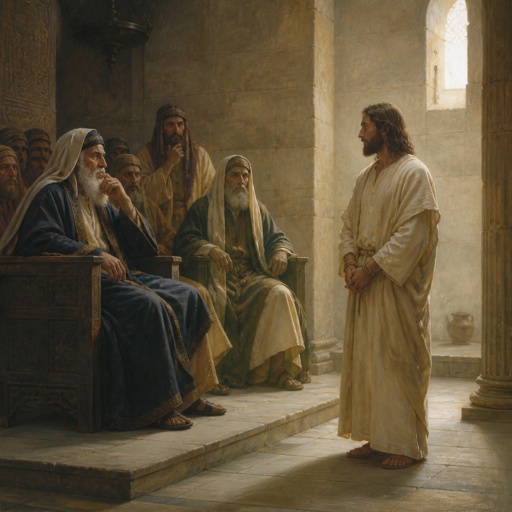
"And they said, What need we any further witness? for we ourselves have heard of his own mouth." - Luke 22:71

1 Chronicles 6:71 - "Unto the sons of Gershom were given out of the family of the half tribe of Manasseh, Golan in Bashan with her suburbs, and Ashtaroth with her suburbs:"

"In thee, O LORD, do I put my trust: let me never be put to confusion." - Psalms 71:1

"Unto the sons of Gershom were given out of the family of the half tribe of Manasseh, Golan in Bashan with her suburbs, and Ashtaroth with her suburbs:" - 1 Chronicles 6:71

Psalm 71:1-3 - "In you, Lord, I have taken refuge; let me never be put to shame. In your righteousness, rescue me and deliver me; turn your ear to me and save me. Be my rock of refuge, to which I can always go; give the command to save me, for you are my rock and my fortress."

Luke 1:1

Luke 1:31

Luke 1:26

luke 1:26

Luke 1:13

luke 1:26

luke 1:27

luke 1:29

Luke:1

Luke 2.12

Luke 19:1-10

Luke 2:1-20

Luke 19:1-10

Luke 1:32

Luke 1:32

Luke 1:32

Luke 1:32

Luke 1:32

Luke 1:32

Luke 1:25

Luke 1:30