Divine Promises in the Shadow of Barrenness: Finding Hope in Luke 1:7
"And they had no child, because that Elisabeth was barren, and they both were now well stricken in years." - Luke 1:7
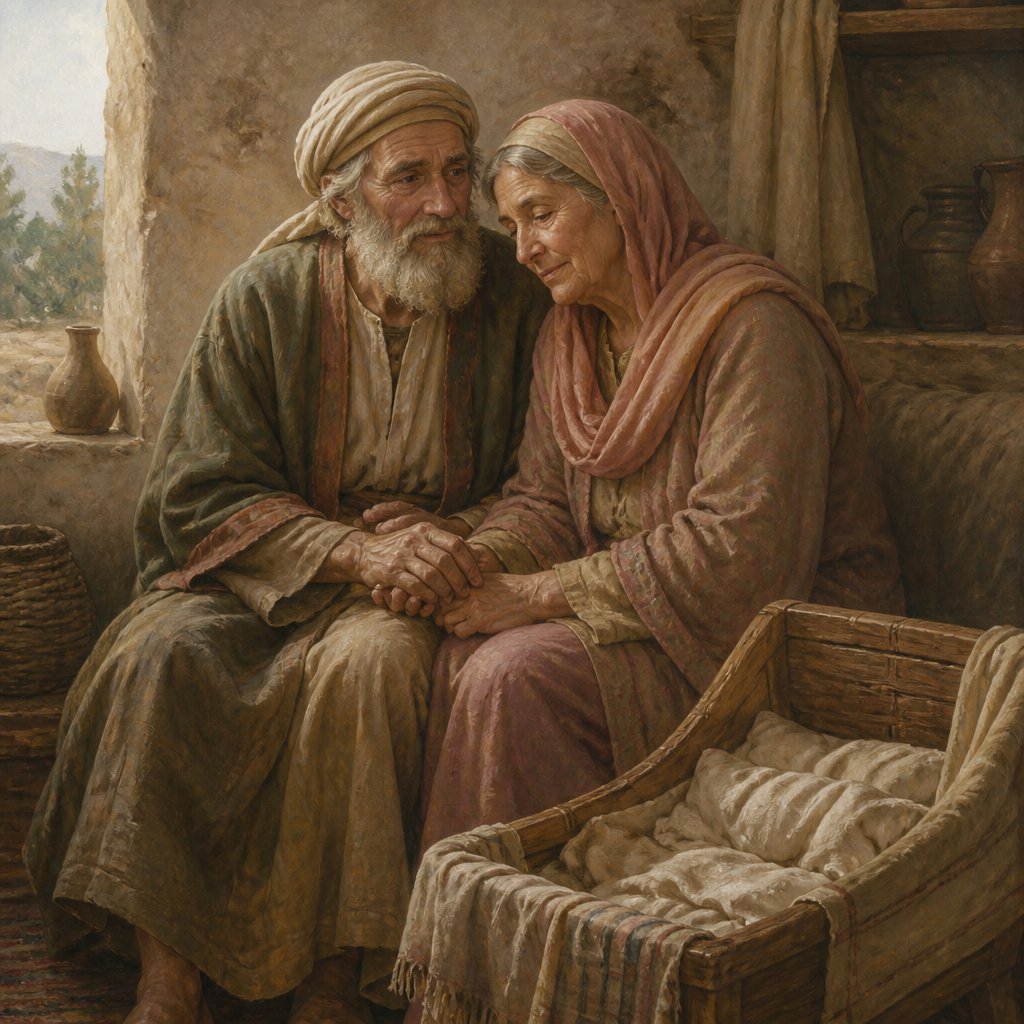
The poignant verse from the book of Luke, chapter 1, verse 7 (KJV) reads, "And they had no child, because that Elisabeth was barren, and they both were now well stricken in years." This scripture encapsulates the complex emotion of longing, the pain of unfulfilled desires, and the hope that blooms in the shadow of despair. It speaks to the heart of human experience, and invites us to reflect deeply on our own lives and the promises we find in God amidst our struggles.
As we delve into this verse, let us remember Elizabeth and Zacharias, a devoted couple. Despite their righteous lives—walking blamelessly in all the commandments and ordinances of the Lord—they faced the deep-seated sorrow of childlessness. In the cultural landscape of first-century Judea, this condition was heavy with societal implications. Children represented not just legacy but also the blessing of God and social standing. The absence of a child meant questioning one’s worth in God’s eyes; it meant feeling forsaken in a society where familial connections were paramount.
The phrase "they had no child" resonates particularly powerfully. It reflects the raw emotional and social upheaval that often accompanies unmet expectations. Elizabeth's barrenness signifies more than absence; it becomes a symbol of hope deferred. How must Elizabeth have felt? How were her prayers shaped as seasons of silence stretched indefinitely?
Yet Luke does not leave us in that painful silence. He reminds us of Elizabeth’s age: "they both were now well stricken in years.” This detail begs us to consider the depth of their longing; their time was running out, and hope seemed increasingly elusive. Indeed, in our own lives, there are moments when we find ourselves "well stricken in years" regarding our dreams and desires, feeling as though life has passed us by without fulfilling what we long for.
However, within this context of barrenness—a state that many of us experience in various forms—there lies a monumental opportunity for faith. Elizabeth's story is simultaneously one of waiting and of conviction in God’s faithfulness. As we take a closer look, we find that what initially appears to be hopelessness is, in fact, a prelude to an extraordinary miracle.
In the chapters that follow, we witness God’s hand at work. It is through that very barrenness that God is preparing to perform a miracle. Elizabeth gives birth to John the Baptist, the forerunner to Christ. This miracle, birthed from a history of sorrow and waiting, is a powerful reminder that God often operates outside of our human timelines. His delays are not denials, but rather Divine preparations for something greater.
In our own lives, we may find ourselves waiting for God to move in areas that feel dormant or barren. We may have given up hope on dreams that seem too distant or desires that seem too selfish. And yet, like Elizabeth, we are reminded to stay faithful and walk blamelessly, continuously trusting in God’s promise that He can bring fruitfulness from barrenness.
As we reflect on our personal journeys, let us remember that God’s timing is perfect. The narrative of Elizabeth and Zacharias encourages us to redefine our understanding of faith—not as a blind leap, but as a steadfast hope grounded in God’s character. The Lord hears our prayers, and when the time is right, He will fulfill His promises in ways that surpass our wildest expectations. Even in our quietest and most desolate seasons, God is at work. Rest in His faithfulness today, and trust that beauty will arise from your own seasons of waiting.
Want to reflect more on Luke 1:7?
Continue your spiritual journey with Bible Chat — an AI-powered tool for exploring God's Word through conversation. Ask questions, discover connections, and deepen your understanding.
Get Our Apps


Luke 1:7 Artwork

Luke 1:7 - "And they had no child, because that Elisabeth was barren, and they both were now well stricken in years."
"And they had no child, because that Elisabeth was barren, and they both were now well stricken in years." - Luke 1:7

Luke 7:50

Luke 7:50

Luke 15: 4-7

Luke 7:1 - "Now when he had ended all his sayings in the audience of the people, he entered into Capernaum."
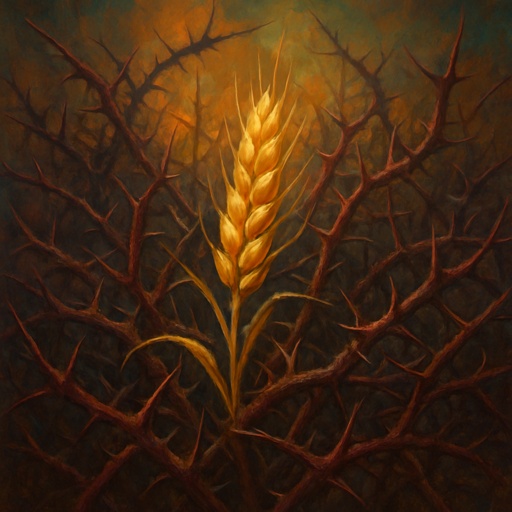
Luke 8:7 - "And some fell among thorns; and the thorns sprang up with it, and choked it.

Luke 7:33

Luke 7:36-50

Luke 7:41-47

Luke 7:36–50

Luke 20:7 - "And they answered, that they could not tell whence it was."

Luke 7:35 - "But wisdom is justified of all her children."
Luke 7:18 - "And the disciples of John shewed him of all these things."

Luke 7:23 - "And blessed is he, whosoever shall not be offended in me."

Luke 7:7 - "Wherefore neither thought I myself worthy to come unto thee: but say in a word, and my servant shall be healed."

Luke 7:48 - "And he said unto her, Thy sins are forgiven."
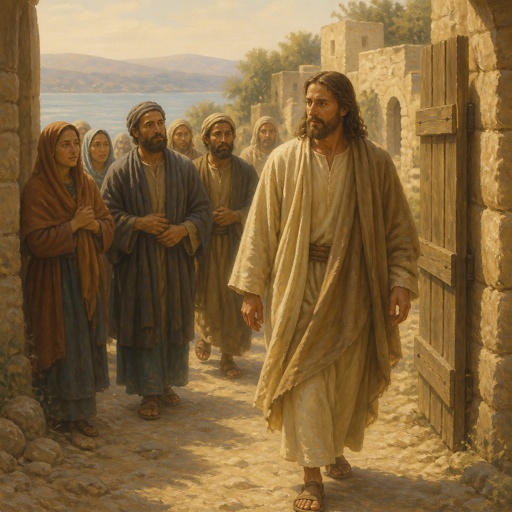
"Now when he had ended all his sayings in the audience of the people, he entered into Capernaum." - Luke 7:1

Luke 22:7 - "¶ Then came the day of unleavened bread, when the passover must be killed."

Luke 4:7 - "If thou therefore wilt worship me, all shall be thine."

Luke 8:7 - "And some fell among thorns; and the thorns sprang up with it, and choked it."

Luke 7:5 - "For he loveth our nation, and he hath built us a synagogue."

Luke 1:1

"And they answered, that they could not tell whence it was." - Luke 20:7

Luke 7:31 - "¶ And the Lord said, Whereunto then shall I liken the men of this generation? and to what are they like?"

Luke 7:10 - "And they that were sent, returning to the house, found the servant whole that had been sick."

Luke 7:30 - "But the Pharisees and lawyers rejected the counsel of God against themselves, being not baptized of him."

Luke 7:50 - "And he said to the woman, Thy faith hath saved thee; go in peace."

Luke 7:2 - "And a certain centurion's servant, who was dear unto him, was sick, and ready to die."

Luke 19:7 - "And when they saw it, they all murmured, saying, That he was gone to be guest with a man that is a sinner."