Breaking the Silence: The Power of Praise
"And his mouth was opened immediately, and his tongue loosed, and he spake, and praised God." - Luke 1:64

In the quiet moments of life, when we find ourselves overwhelmed by uncertainty, fear, or disappointment, we long for a breakthrough. We often seek God’s intervention, searching diligently for signs that He is present in our trials. The story of Zechariah, found in Luke 1:64, provides a poignant reminder of God’s faithfulness and the power of praise in our lives. The verse states, "And his mouth was opened immediately, and his tongue loosed, and he spake, and praised God."
Zechariah, a priest with a devout wife named Elizabeth, longed for children but was met with years of silence and barrenness. When the angel Gabriel appeared to him, delivering the astonishing news that he would become a father in his old age, Zechariah hesitated. Distrust crept in, leading him to question how such a miracle could happen. As a result, he was rendered mute until the prophecy came to fruition. This silence lasted for nine months, a time marked by both personal introspection and divine purpose.
The period of Zechariah’s muteness can symbolize moments in our own lives when God feels distant, when our prayers seem unanswered, or when we stay in a place of waiting. How often do we feel that the heavens have closed to us? Yet, Zechariah’s story teaches us that silence can be a profound teacher. It allows us to reflect, to prepare, and to embrace the lessons of faith. In this regard, God employs silence not as punishment but as a period of spiritual maturation.
Then comes the moment of revelation: the birth of John the Baptist! When Zechariah’s tongue was finally loosened, his first utterance was not one of lamentation or disbelief, but rather an outpouring of praise to God. The immediate aftermath of God’s promise being fulfilled made Zechariah erupt into thanksgiving—a reminder that our lives, too, should start and end with praise, even amidst trials and waiting.
This episode evokes powerful implications for our spiritual practice today. Praise is more than an act; it is a lifestyle. Zechariah’s transformation highlights the importance of recognizing God’s work in our lives. His praise stemmed from an understanding of God’s faithfulness throughout history. He reflected on the promises God had made to His people and could not help but respond with adoration.
When faced with our silence or moments of waiting, how often do we default to despair rather than looking for the breaking-in of God’s goodness? Indeed, the act of praising God can shift our perspective. It reminds us to anchor ourselves in His faithfulness, much like Zechariah did. The praise that flowed from him was born out of revelation, deepening his understanding and appreciation of God's promises.
Our response to God’s provision shouldn't just be gratitude in the receiving; it should compel us to declare His goodness vocally and publicly. When we've experienced His grace, even in silence, we ought to be bold in proclaiming His greatness to the world. There's power in our words — they can uplift, encourage, and draw others to the wonder of God’s love.
In our day-to-day existence, let us strive to be mindful of the moments we feel God’s silence. Instead of succumbing to doubt or frustration, let’s choose to turn our hearts inward and upward in praise. Like Zechariah, may we emerge from our struggles not only with a deeper faith but with a mouth filled with divinely inspired praise. He invites us to experience His breakthrough in our lives. Our response, as His children, should be nothing less than joy-filled exclamation and worship!
As we reflect on Zechariah’s story today, let us ask ourselves: What have I been silent about that I can now praise God for? How can my testimony of His goodness encourage others? May we face our moments of silence with reverence, and like Zechariah, may we have our mouths opened in praise as we speak of His majestic works in our lives.
Want to reflect more on Luke 1:64?
Continue your spiritual journey with Bible Chat — an AI-powered tool for exploring God's Word through conversation. Ask questions, discover connections, and deepen your understanding.
Get Our Apps


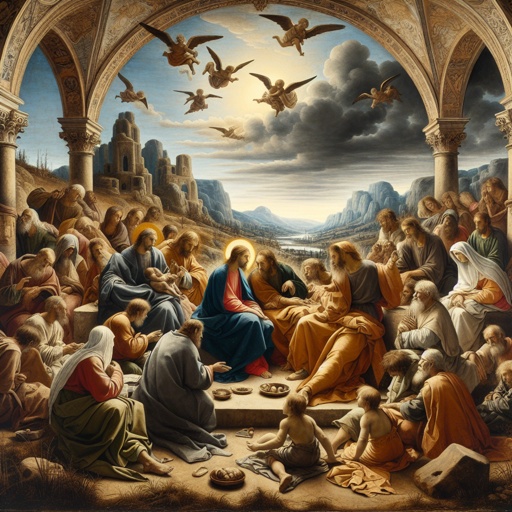
Luke 1:64 Artwork

Luke 1:64 - "And his mouth was opened immediately, and his tongue loosed, and he spake, and praised God."

"And his mouth was opened immediately, and his tongue loosed, and he spake, and praised God." - Luke 1:64

Isaiah 64:8

Luke 22:64 - "And when they had blindfolded him, they struck him on the face, and asked him, saying, Prophesy, who is it that smote thee?"

1 Chronicles 6:64 - "And the children of Israel gave to the Levites these cities with their suburbs."

Psalms 64:1 - "Hear my voice, O God, in my prayer: preserve my life from fear of the enemy."

Isaiah 64:1 - "Oh that thou wouldest rend the heavens, that thou wouldest come down, that the mountains might flow down at thy presence,"

"And when they had blindfolded him, they struck him on the face, and asked him, saying, Prophesy, who is it that smote thee?" - Luke 22:64

"And the children of Israel gave to the Levites these cities with their suburbs." - 1 Chronicles 6:64

"Oh that thou wouldest rend the heavens, that thou wouldest come down, that the mountains might flow down at thy presence," - Isaiah 64:1

"Hear my voice, O God, in my prayer: preserve my life from fear of the enemy." - Psalms 64:1

"Oh that thou wouldest rend the heavens, that thou wouldest come down, that the mountains might flow down at thy presence," - Isaiah 64:1

1 Kings 8:64 - "The same day did the king hallow the middle of the court that was before the house of the LORD: for there he offered burnt offerings, and meat offerings, and the fat of the peace offerings: because the brasen altar that was before the LORD was too little to receive the burnt offerings, and meat offerings, and the fat of the peace offerings."

Luke 1:1

Luke 1:31

Luke 1:26

luke 1:26

Luke 1:13

luke 1:26

luke 1:27

luke 1:29
Luke:1

Luke 2.12

Luke 2:1-20

Luke 19:1-10

Luke 19:1-10

Luke 1:32

Luke 1:32

Luke 1:32

Luke 1:32