Silent Witness: The Power of God's Vision
"And when he came out, he could not speak unto them: and they perceived that he had seen a vision in the temple: for he beckoned unto them, and remained speechless." - Luke 1:22
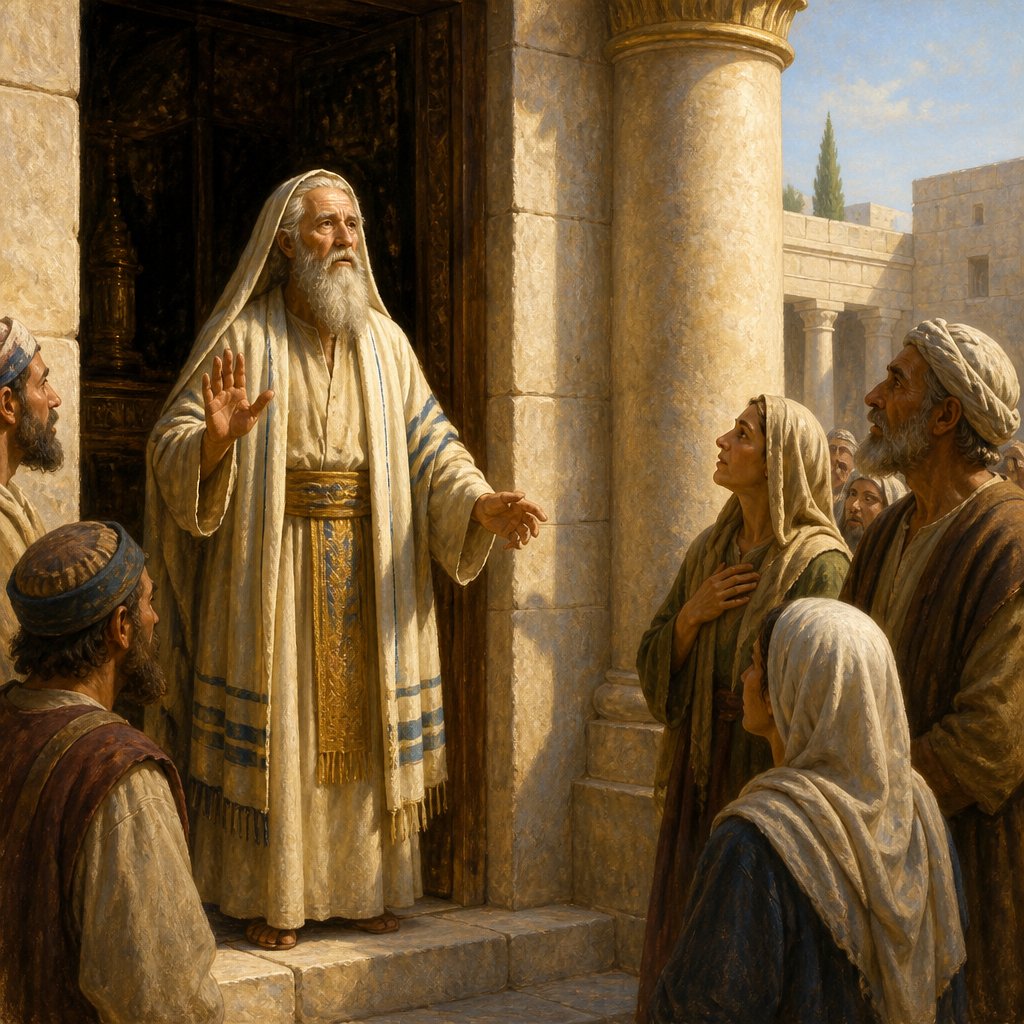
As we reflect on Luke 1:22, we encounter the moment when Zechariah emerged from the temple, his voice silenced after an encounter with the divine. The verse states, "And when he came out, he could not speak unto them: and they perceived that he had seen a vision in the temple: for he beckoned unto them, and remained speechless." Here we find profound layers of meaning that speak to our lives and our relationship with God.
Zechariah, a priest of the course of Abijah, had just received a revelation from the angel Gabriel about the birth of his son, John the Baptist. This moment was transformative, yet it rendered Zechariah mute, unable to verbalize the excitement and the implications of what he had witnessed. His silence, however, became a testament of what he had experienced.
In our busy lives, filled with noise and distractions, how often do we miss opportunities to truly listen for God’s voice? Zechariah’s silence symbolizes a state of reflection. After receiving such a profound vision, he was required to pause and internalize the revelation instead of immediately rushing to share the message. There is humbling beauty in understanding that sometimes being silent allows the truth to penetrate our hearts more deeply.
When we think about the people around Zechariah observing his silence and connecting it to a divine vision, we recognize that our personal encounters with God can impact others as well. People might not always need our words; sometimes our lives become the message. Our actions, our faithfulness, and even our struggles can speak volumes. Just as Zechariah beckoned, pointing towards his experience, we too can point others to God through our character and our response to His calling.
Additionally, Zechariah’s moment of speechlessness can be seen as a reminder of the awe and reverence we should hold when God speaks to us. It is a call for us to recognize the holiness of His presence. In the book of Job, after enduring intense trials and speaking too much in his confusion, he ultimately finds himself speechless before God, realizing the vastness of God’s wisdom. Similarly, when the Lord speaks into our lives, whether through scripture, prayer, or a moment of revelation, we are invited to respond not just with words but with attentive hearts.
This story also challenges us to consider how we might react when faced with the miraculous or extraordinary. Too often, we seek logical explanations or rational answers when what God wants is our trust. Zechariah’s struggle is relatable because, after receiving the promise of a child in his old age, he initially doubted. However, it is in our doubt where God can showcase His grace. We may feel inadequate to participate in God’s plans due to our limitations or past experiences, yet God is more than able to work through our silence, our shortcomings, and our fears.
As we meditate on this verse, let us embrace periods of silence before God. In those moments when our mouths are closed, may our hearts be wide open to receive truth and direction from Him. Let silence become a tool for spiritual growth. Just as Zechariah carried the profound weight of the message he received while being unable to articulate it, we too can carry our faith visibly and powerfully even when words seem insufficient.
In essence, let us emulate Zechariah by allowing our encounters with God in prayer and worship to transform us. May we learn to value our silent moments of communion with God, where our spirits can commune with His divine presence. May we also beckon others to witness not just in words but through our lives of transformed faith. Just like Zechariah, we may find that our most powerful testimonies are expressed not in sound, but in the quiet assurance of what God has done.
Want to reflect more on Luke 1:22?
Continue your spiritual journey with Bible Chat — an AI-powered tool for exploring God's Word through conversation. Ask questions, discover connections, and deepen your understanding.
Get Our Apps


Luke 1:22 Artwork
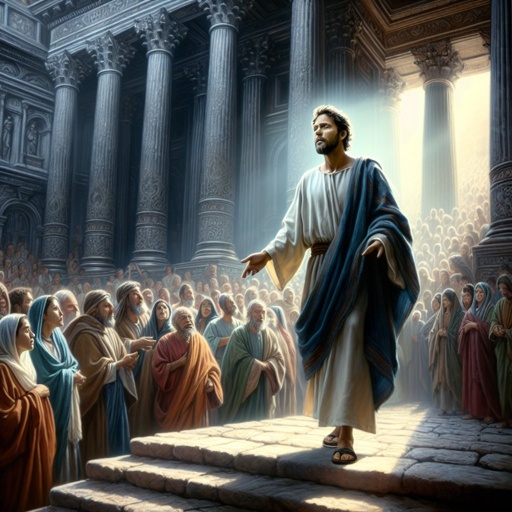
Luke 1:22 - "And when he came out, he could not speak unto them: and they perceived that he had seen a vision in the temple: for he beckoned unto them, and remained speechless."
"And when he came out, he could not speak unto them: and they perceived that he had seen a vision in the temple: for he beckoned unto them, and remained speechless." - Luke 1:22

Luke 22:1 - "Now the feast of unleavened bread drew nigh, which is called the Passover."
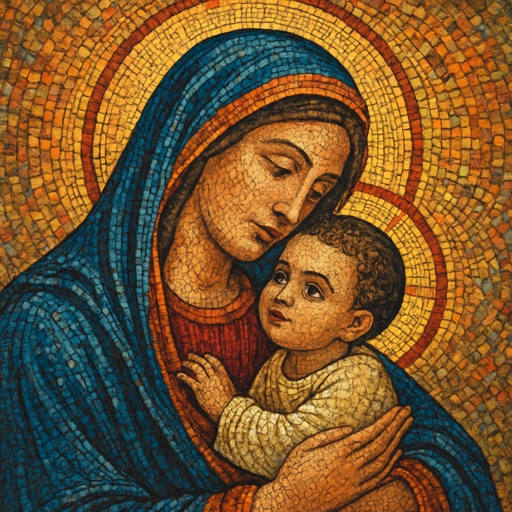
Luke 2:22, which features a Middle Eastern mother holding a Middle Eastern baby boy.

luke 22:42

Luke 22:39

Luke 22:61,62

Luke 22:39

luke 22 44
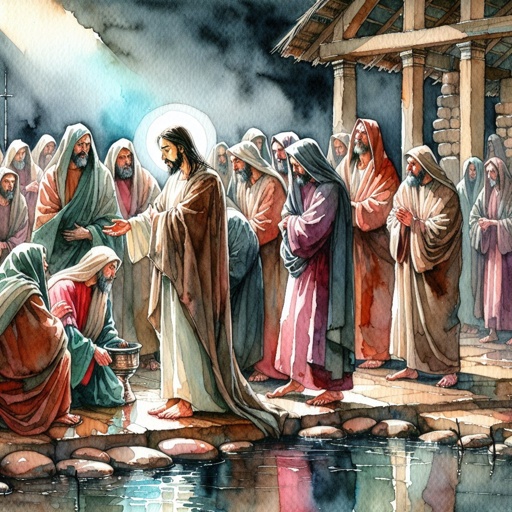
luke 22:42

Luke 22:42
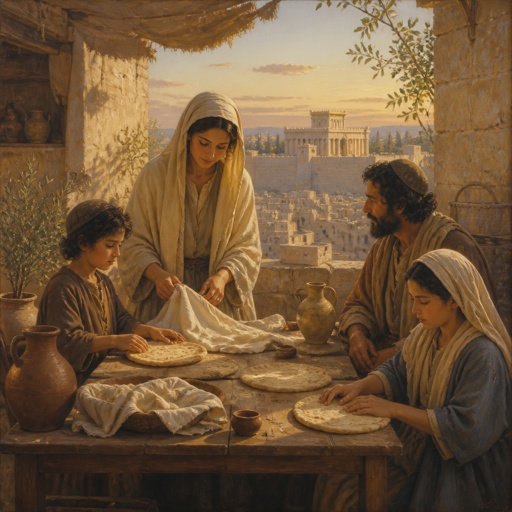
"Now the feast of unleavened bread drew nigh, which is called the Passover." - Luke 22:1

Luke 16:22-26

Luke 22:62 - "And Peter went out, and wept bitterly."

Luke 20:22 - "Is it lawful for us to give tribute unto Caesar, or no?"

Luke 22:5 - "And they were glad, and covenanted to give him money."

Luke 22:28 - "Ye are they which have continued with me in my temptations."

Luke 22:65 - "And many other things blasphemously spake they against him."

Luke 22:63 - "¶ And the men that held Jesus mocked him, and smote him."

Luke 22:31-32 - "Luke 22:31-32: And the Lord said, Simon, Simon, behold, Satan hath desired to have you, that he may sift you as wheat: But I have prayed for thee, that thy faith fail not: and when thou art converted, strengthen thy brethren."

Luke 22:21 - "¶ But, behold, the hand of him that betrayeth me is with me on the table."
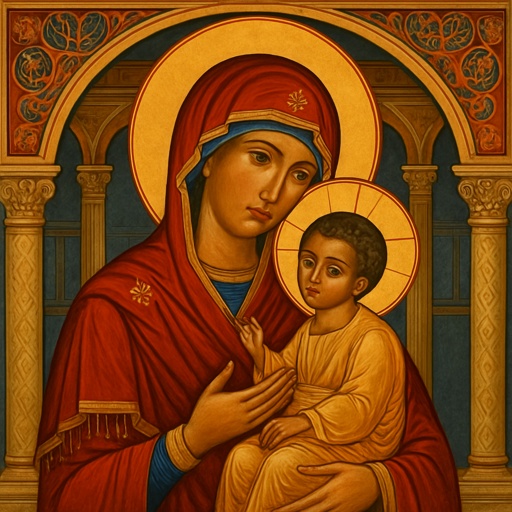
Luke 2:22, which features Mary with Middle Eastern mother holding Jesus a Middle Eastern baby boy inside a first century temple.

Luke 22:43 - "And there appeared an angel unto him from heaven, strengthening him."

Luke 22:3 - "¶ Then entered Satan into Judas surnamed Iscariot, being of the number of the twelve."

Luke 22:57 - "And he denied him, saying, Woman, I know him not."

Luke 22:7 - "¶ Then came the day of unleavened bread, when the passover must be killed."

Luke 21:22 - "For these be the days of vengeance, that all things which are written may be fulfilled."

Luke 22:9 - "And they said unto him, Where wilt thou that we prepare?"
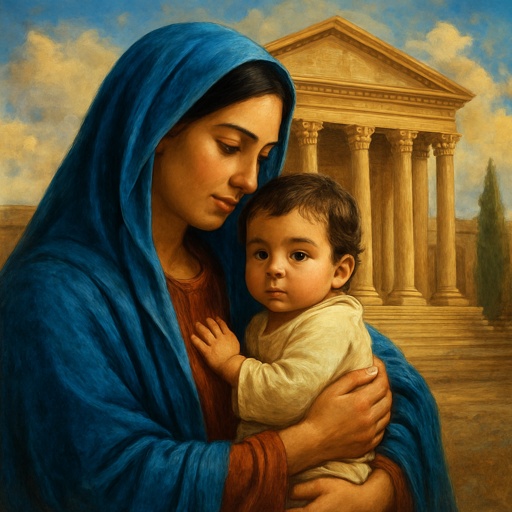
Luke 2:22, which features Mary with Middle Eastern mother holding Jesus a Middle Eastern baby boy in front of a first century temple.
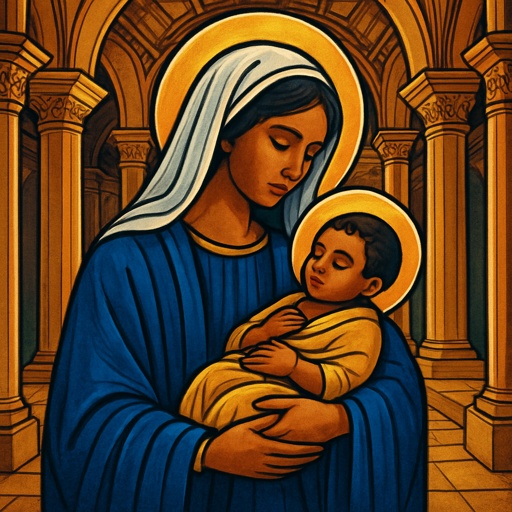
Luke 2:22, which features Mary with Middle Eastern mother holding Jesus a Middle Eastern baby boy inside a first century temple.