Faithful Stewardship: A Call to Action
"And as they heard these things, he added and spake a parable, because he was nigh to Jerusalem, and because they thought that the kingdom of God should immediately appear. He said therefore, A certain nobleman went into a far country to receive for himself a kingdom, and to return. And he called his ten servants, and delivered them ten pounds, and said unto them, Occupy till I come. But his citizens hated him, and sent a message after him, saying, We will not have this man to reign over us. And it came to pass, that when he was returned, having received the kingdom, then he commanded these servants to be called unto him, to whom he had given the money, that he might know how much every man had gained by trading. Then came the first, saying, Lord, thy pound hath gained ten pounds. And he said unto him, Well, thou good servant: because thou hast been faithful in a very little, have thou authority over ten cities. And the second came, saying, Lord, thy pound hath gained five pounds. And he said likewise to him, Be thou also over five cities. And another came, saying, Lord, behold, here is thy pound, which I have kept laid up in a napkin: For I feared thee, because thou art an austere man: thou takest up that thou layedst not down, and reapest that thou didst not sow. And he saith unto him, Out of thine own mouth will I judge thee, thou wicked servant. Thou knewest that I was an austere man, taking up that I laid not down, and reaping that I did not sow: Wherefore then gavest not thou my money into the bank, that at my coming I might have required mine own with usury? And he said unto them that stood by, Take from him the pound, and give it to him that hath ten pounds. (And they said unto him, Lord, he hath ten pounds.) For I say unto you, That unto every one which hath shall be given; and from him that hath not, even that he hath shall be taken away from him. But those mine enemies, which would not that I should reign over them, bring hither, and slay them before me." - Luke 19:11-27
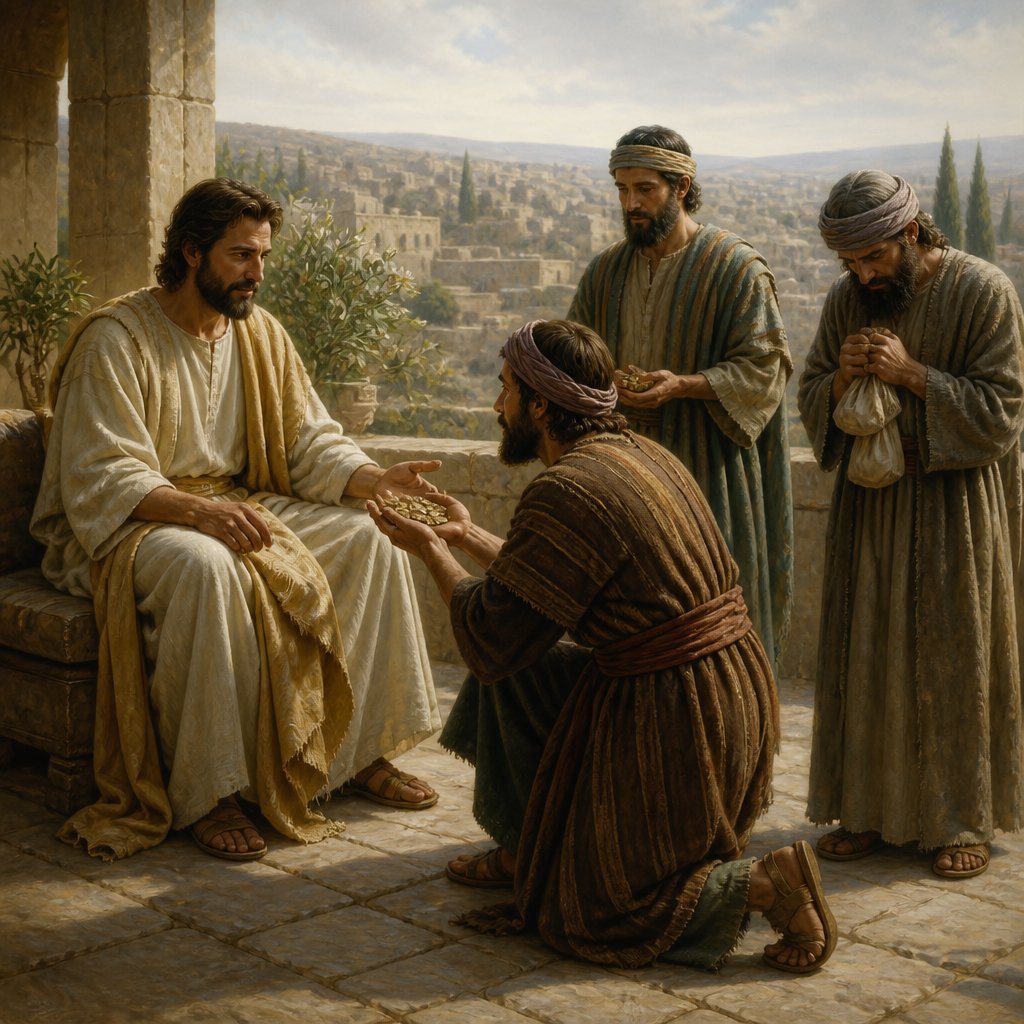
The parable of the nobleman found in Luke 19:11-27 is a poignant lesson on stewardship, responsibility, and the expectation of faithfulness in the Kingdom of God. As Jesus approached Jerusalem, He told this parable to clarify misunderstandings among the crowd regarding the immediate appearance of God's Kingdom. The question of *"What are we to do while we wait?"* is answered not just with what we ought to anticipate, but, more importantly, what we are expected to do in the meantime.
In this parable, Jesus describes a nobleman who goes away to receive a kingdom. Before he leaves, he entrusts his resources to ten servants with the instructions, *"Occupy till I come"* (Luke 19:13). The word *"occupy"* carries the connotation of engaging in business or carrying out work. This communicates the first essential truth of the parable: God entrusts us with gifts, talents, and responsibilities that we are to cultivate and expand upon until His return.
The nobleman’s return is not merely for a report but for accountability. Each servant is called to present what they have earned. The nobleman rewards those who have invested wisely: the servant who doubles his pound is entrusted with authority over ten cities, while the one who multiplies it fivefold receives authority over five cities. This demonstrates a principle of the Kingdom: faithfulness in small matters leads to greater responsibilities. As it says in Luke 19:17, *"Well, thou good servant: because thou hast been faithful in a very little, have thou authority over ten cities."*
However, the third servant presents a stark contrast. He returns the single pound, wrapped in a napkin, claiming fear of the nobleman as his rationale for inaction. The nobleman’s response uncovers the folly in this reasoning. He says in Luke 19:22, *"Out of thine own mouth will I judge thee, thou wicked servant."* This servant misinterprets the nobleman’s character. His fear leads to idleness, and this idleness is perceived as wickedness. God does not desire that we cower in fear of failure but rather that we step out in faith, making the most of what He has given us.
This parable goes beyond mere economics; it speaks to the spiritual life that each believer is called to lead. Each individual has been given spiritual gifts (1 Corinthians 12:4-7) and resources which we are to use for the benefit of the Kingdom. While we live in a time where we await the full realization of God’s Kingdom, we are not to passively wait for its arrival. Instead, we must actively engage, fulfilling our roles as faithful stewards of His grace.
The closing of the parable carries a sobering warning. The nobleman commands that those who rejected him be brought forth and slain. In a spiritual context, those who adamantly oppose the reign of Christ show us the consequence of rejecting His lordship. It is a stark reminder that not only are we to invest and multiply our gifts, but we must also accept His authority in our lives.
As you reflect upon this parable, consider the areas of your life where God is calling you to engage actively. Are you using your gifts and resources wisely? Are there parts of your life where you are playing it safe out of fear, similar to the third servant? Remember, the Kingdom of God thrives on active participation and faithful stewardship. Ask God to open your eyes to the opportunities around you and empower you to *"occupy"* until His return. In doing so, you will hear one day, *"Well done, thou good servant."*
Want to reflect more on Luke 19:11-27?
Continue your spiritual journey with Bible Chat — an AI-powered tool for exploring God's Word through conversation. Ask questions, discover connections, and deepen your understanding.
Get Our Apps


Luke 19:11-27 Artwork

Luke 19:11-27 - "While they were listening to this, he went on to tell them a parable, because he was near Jerusalem and the people thought that the kingdom of God was going to appear at once. He said: "A man of noble birth went to a distant country to have himself appointed king and then to return. So he called ten of his servants and gave them ten minas. 'Put this money to work,' he said, 'until I come back.' But his subjects hated him and sent a delegation after him to say, 'We don’t want this man to be our king.' He was made king, however, and returned home. Then he sent for the servants to whom he had given the money, in order to find out what they had gained with it. The first one came and said, 'Sir, your mina has earned ten more.' 'Well done, my good servant!' his master replied. 'Because you have been trustworthy in a very small matter, take charge of ten cities.' The second came and said, 'Sir, your mina has earned five more.' His master answered, 'You take charge of five cities.' Then another servant came and said, 'Sir, here is your mina; I have kept it laid away in a piece of cloth. I was afraid of you, because you are a hard man. You take out what you did not put in and reap what you did not sow.' His master replied, 'I will judge you by your own words, you wicked servant! You knew, did you, that I am a hard man, taking out what I did not put in, and reaping what I did not sow? Why then didn’t you put my money on deposit, so that when I came back, I could have collected it with interest?' Then he said to those standing by, 'Take his mina away from him and give it to the one who has ten minas.' 'Sir,' they said, 'he already has ten!' He replied, 'I tell you that to everyone who has, more will be given, but as for the one who has nothing, even what they have will be taken away. But those enemies of mine who did not want me to be king over them—bring them here and kill them in front of me.'""
"While they were listening to this, he went on to tell them a parable, because he was near Jerusalem and the people thought that the kingdom of God was going to appear at once. He said: "A man of noble birth went to a distant country to have himself appointed king and then to return. So he called ten of his servants and gave them ten minas. 'Put this money to work,' he said, 'until I come back.' But his subjects hated him and sent a delegation after him to say, 'We don’t want this man to be our king.' He was made king, however, and returned home. Then he sent for the servants to whom he had given the money, in order to find out what they had gained with it. The first one came and said, 'Sir, your mina has earned ten more.' 'Well done, my good servant!' his master replied. 'Because you have been trustworthy in a very small matter, take charge of ten cities.' The second came and said, 'Sir, your mina has earned five more.' His master answered, 'You take charge of five cities.' Then another servant came and said, 'Sir, here is your mina; I have kept it laid away in a piece of cloth. I was afraid of you, because you are a hard man. You take out what you did not put in and reap what you did not sow.' His master replied, 'I will judge you by your own words, you wicked servant! You knew, did you, that I am a hard man, taking out what I did not put in, and reaping what I did not sow? Why then didn’t you put my money on deposit, so that when I came back, I could have collected it with interest?' Then he said to those standing by, 'Take his mina away from him and give it to the one who has ten minas.' 'Sir,' they said, 'he already has ten!' He replied, 'I tell you that to everyone who has, more will be given, but as for the one who has nothing, even what they have will be taken away. But those enemies of mine who did not want me to be king over them—bring them here and kill them in front of me.'"" - Luke 19:11-27

Luke 19:27 - "But those mine enemies, which would not that I should reign over them, bring hither, and slay them before me." respectful, symbolic bible verse art

Luke 11:19 - "And if I by Beelzebub cast out devils, by whom do your sons cast them out? therefore shall they be your judges."

Luke 19:11 - "And as they heard these things, he added and spake a parable, because he was nigh to Jerusalem, and because they thought that the kingdom of God should immediately appear."

Luke 11:27 - "¶ And it came to pass, as he spake these things, a certain woman of the company lifted up her voice, and said unto him, Blessed is the womb that bare thee, and the paps which thou hast sucked."

Luke 19:1-10

Luke 19:1-10

luke 1:27

luke 6: 27

Luke 10:27

Luke 6: 27-38
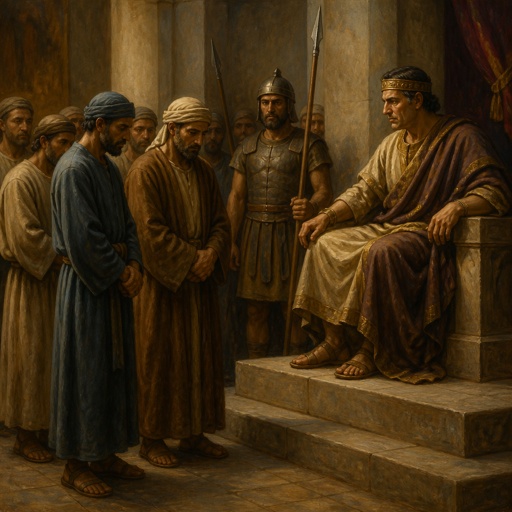
"But those mine enemies, which would not that I should reign over them, bring hither, and slay them before me." - Luke 19:27

Genesis 19-27

Luke 6:27-38

Luke 13:28-27

Luke 13:28-27

Luke 13:28-27

Luke 10:18-19

Luke 13:18-19

Luke 10:18-19

Luke 10:18-19

Luke 13:18-19

Luke 10:17-19

Exodus 27:19-20

Genesis 27:18-19

John 19:25-27

Luke 10:18-19

Luke 10:18-19

Luke 10:18-19