The Prodigal's Cry: A Journey from Rebellion to Restoration
"And the son said unto him, Father, I have sinned against heaven, and in thy sight, and am no more worthy to be called thy son." - Luke 15:21

In the heart of the Gospel, particularly in Luke 15, we find one of the most touching parables relayed by our Lord Jesus Christ—the Parable of the Prodigal Son. The verse, Luke 15:21 (KJV), resonates deeply: "And the son said unto him, Father, I have sinned against heaven, and in thy sight, and am no more worthy to be called thy son." These powerful words unveil a beautiful tapestry of sin, shame, repentance, and, above all, grace.
As we delve into this verse, it is crucial to contextualize the story. The Prodigal Son embodies the human condition—lost, wayward, and yearning for belonging. He asked his father for his inheritance before the father’s time, exhibiting a significant cultural and relational rupture. In the eyes of the community, such a request was akin to wishing his father dead; it was an act of rebellion. This young man’s journey away from home into a far land, fueled by indulgence and a desire for freedom, results in devastating emptiness. He squanders all he has, finds himself in dire straits, and finally—a moment of clarity—realizes he is no longer worthy to be called his father’s son.
The phrase, "I have sinned against heaven, and in thy sight" illustrates the double nature of his sin—vertical and horizontal. Sin against heaven signifies a rebellion against God’s holiness, while sin against his father emphasizes the breach of relational trust. Theologically, it reflects a profound understanding of sin as not just a personal failure, but an affront to the very nature of God and the sacred relationships bestowed upon us. The son’s admission reveals the path from pride to humility, recognizing his failures and the consequences of his actions.
In our lives, how often do we find ourselves in similar circumstances? We may not parallel the Prodigal Son's journey precisely, but we all experience moments where we stray away from God’s ordained path, entangled in sin that deceives us into believing freedom lies outside God’s will. Like the son, we may journey to a ‘far country’, seeking fulfillment in materialism, relationships, or pursuits that ultimately lead to spiritual famine.
The pivotal moment for the Prodigal Son arrives when he decides to return home, a decision spurred by desperation and an awakening to his identity. He begins to rehearse his confession: "I am no more worthy to be called thy son." This encapsulates the essence of repentance—it is the recognition of our unworthiness and a longing for restoration. So often, we hesitate, weighed down by shame, believing we cannot return, thinking we are beyond redemption.
Yet, here lies the heart of the Gospel. The father, representing God’s love and grace, does not wait for the son to approach—he runs to him, arms wide open. This image is one of reckless love, a striking contrast to the son’s belief that he is unworthy. God does not look upon our sin with condemnation, but with an invitation to return, heal, and reclaim our identity as His beloved children.
When we confess as the Prodigal Son did, acknowledging our faults and turning back to God, we encounter not judgment but mercy. Our worth is not tied to our actions but to the unfathomable grace of the Father who loves us relentlessly. The acceptance we yearn for is found in His embrace, an embrace that reassures us that we are indeed worthy to be called His children again.
In conclusion, Luke 15:21 serves as a profound reminder that repentance is not about the degradation of our worth but about the renewal of our relationship with God. It teaches us that coming back to Him—with sincere acknowledgment of our failures—opens the door to incredible grace and restoration. May we learn each day to turn back to our Father, knowing that no matter how far we roam, His love remains steadfast, ready to welcome us home.
Want to reflect more on Luke 15:21?
Continue your spiritual journey with Bible Chat — an AI-powered tool for exploring God's Word through conversation. Ask questions, discover connections, and deepen your understanding.
Get Our Apps


Luke 15:21 Artwork

Luke 15:21

Luke 15:21

Luke 15:21 - "And the son said unto him, Father, I have sinned against heaven, and in thy sight, and am no more worthy to be called thy son."

"And the son said unto him, Father, I have sinned against heaven, and in thy sight, and am no more worthy to be called thy son." - Luke 15:21

Luke 21:15-19

Luke 21:15 - "For I will give you a mouth and wisdom, which all your adversaries shall not be able to gainsay nor resist."

Luke 21:14-15 - "But make up your mind not to worry beforehand how you will defend yourselves. For I will give you words and wisdom that none of your adversaries will be able to resist or contradict."

Luke 13:20-21

Luke 13:20-21
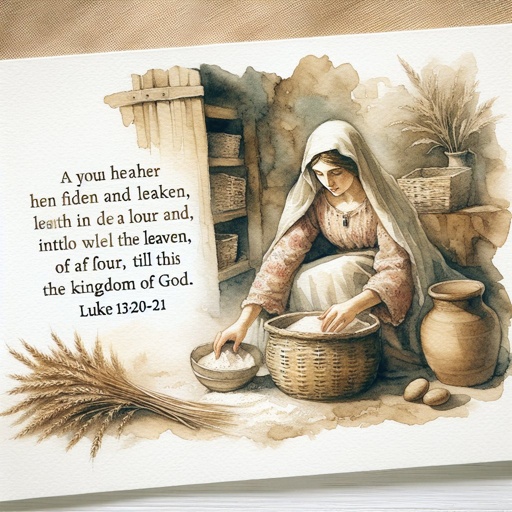
Luke 13:20-21

Luke 13:20-21

Luke 13:20-21

"For I will give you a mouth and wisdom, which all your adversaries shall not be able to gainsay nor resist." - Luke 21:15

Luke 21:24

Luke 6:21-26

luke 21:5-19
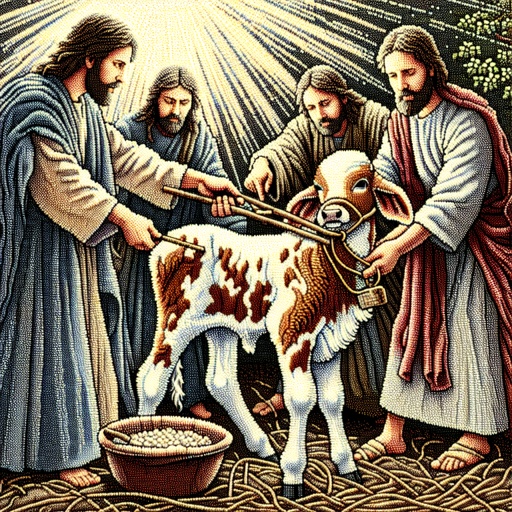
Luke 15:23

Luke 15:10

Luke 6:21-26

Luke 2:16 - 21

Luke 21:13 - "And it shall turn to you for a testimony."

Genesis 15:21

Exodus 15:21

Genesis 21-15

Luke 21:18 - "But there shall not an hair of your head perish."

Luke 15: 4-7

Luke 11:14-15

Luke 21:19 - "In your patience possess ye your souls."

Luke 23:21 - "But they cried, saying, Crucify him, crucify him."

Luke 15:11-32