The Heart of Hospitality: Embracing the Marginalized
"But when thou makest a feast, call the poor, the maimed, the lame, the blind:" - Luke 14:13
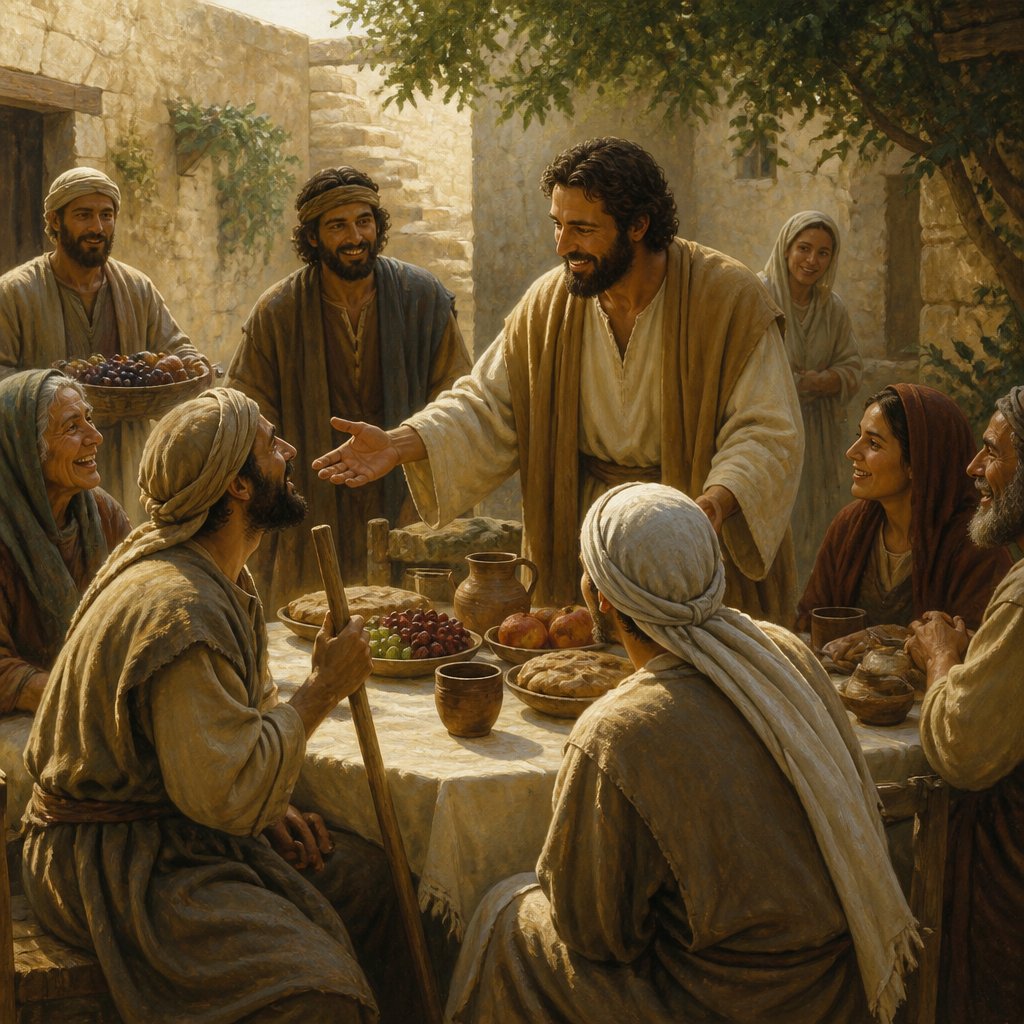
The Gospel of Luke is filled with valuable teachings that challenge societal norms and bid us to reflect on the essence of our hearts in various matters, particularly in how we treat others. One such profound instruction can be found in Luke 14:13: "But when thou makest a feast, call the poor, the maimed, the lame, the blind:"
At first glance, this verse might appear to be a simple suggestion about the guest list for a banquet. Yet, when we delve deeper, we uncover a transformative principle that speaks to the very foundation of Christ-like love and service. The act of inviting the marginalized—the poor, the maimed, the lame, and the blind—is an invitation to align our priorities with those of Jesus.
### Understanding the Context
In the context of Jesus's life and ministry, feasting and sharing meals have profound significance. Meals were not merely physical nourishment; they represented fellowship, community, and inclusion. In a society divided by status and wealth, Jesus offered a radical perspective on whom we should extend our hospitality to. His command in this verse illustrates a heart that values people not for their social standing or what they can give back, but simply for who they are.
### The Challenge of Hospitality
To heed Jesus' advice requires us to confront the often-unspoken biases within our hearts. We live in a culture that emphasizes status, wealth, and self-advancement. However, in choosing to invite those who cannot repay us—those who are marginalized and overlooked—we mirror the grace that Christ extends to us daily. We are all spiritually poor, maimed by sin, and spiritually blind until the light of Christ opens our eyes.
When we gather around our tables, we have a choice. We can choose to fill our seats with those who elevate our social standing or make us feel good about ourselves, or we can reorient our gatherings to reflect Jesus' invitation to the weak and the needy. How often do we invite those who might challenge our comfort zones? How often do we step outside the familiar paths of exclusivity and comfort, choosing instead to seek out those on society's margins?
### Living Out the Calling
Living out this calling means looking beyond our immediate networks. It may require us to build relationships with those in our communities who lack the resources and privileges we often take for granted. We might start by volunteering at local shelters, participating in food drives, or simply reaching out to neighbors in need.
Moreover, we must not forget that the feast described in Luke isn’t bound to physical meals alone. It encompasses acts of kindness, moments of connection, and opportunities to serve. Every time we engage in a conversation with someone who feels invisible, or every time we show compassion to those whom society neglects, we are hosting a feast of a different kind—a feast of love and grace.
### Reflecting on the Heart
This call to extend our tables to the marginalized ultimately tests our own spiritual condition. Are we willing to embody the joy of generosity? Are we prepared to be blessed by the presence of the very individuals society often disregards? When we embrace the poor and the disabled, we discover that they have much to teach us about resilience, gratitude, and the value of community.
### Conclusion
As we reflect on Luke 14:13, let us challenge ourselves to be open-hearted and inclusive, mirroring the hospitality of Christ. May our lives become a feast where the marginalized find a place of belonging. When we welcome them to our tables, we bring a taste of heaven to earth, honoring not only their worth but also offering a glimpse of God’s ultimate feast that awaits all who believe—an eternal celebration where no one will be left unseen.
Want to reflect more on Luke 14:13?
Continue your spiritual journey with Bible Chat — an AI-powered tool for exploring God's Word through conversation. Ask questions, discover connections, and deepen your understanding.
Get Our Apps


Luke 14:13 Artwork

Luke 14:13 - "But when thou makest a feast, call the poor, the maimed, the lame, the blind:"

"But when thou makest a feast, call the poor, the maimed, the lame, the blind:" - Luke 14:13

Luke 2:13-14

Luke 2:13-14

Luke 2:13-14 fine pointillism sytle

Luke 2:13-14 - "And suddenly there was with the angel a multitude of the heavenly host praising God, and saying, Glory to God in the highest, and on earth peace, good will toward men."

Luke 13:14 - "And the ruler of the synagogue answered with indignation, because that Jesus had healed on the sabbath day, and said unto the people, There are six days in which men ought to work: in them therefore come and be healed, and not on the sabbath day."

Luke 13:18-19

Luke 13:20-21

Luke 13:20-21

Luke 13:18-19
Luke 13:20-21

Luke 13:20-21

Luke 13:20-21

Luke 13:14 But the ruler of the synagogue answered with indignation, because Jesus had healed on the Sabbath; and he said to the crowd, “There are six days on which men ought to work; therefore come and be healed on them, and not on the Sabbath day.”

Luke 1:13

Luke 1:13

Luke 8:13

Luke 13:24

Luke 8:13

Luke 1:13

Luke 1:13

Luke 8:13

Luke 1:13

Luke 2:13

Luke 1:13

Luke 14:14 - "And thou shalt be blessed; for they cannot recompense thee: for thou shalt be recompensed at the resurrection of the just."

Luke 11:14-15

Luke 18:9-14

Luke 11:1-14