Healing Beyond Tradition: A Devotional on Luke 13:14
"And the ruler of the synagogue answered with indignation, because that Jesus had healed on the sabbath day, and said unto the people, There are six days in which men ought to work: in them therefore come and be healed, and not on the sabbath day." - Luke 13:14

In the Gospel of Luke, we encounter a profound moment where Jesus confronts the rigidity of tradition and the heart of God’s compassion in Luke 13:14: "And the ruler of the synagogue answered with indignation, because that Jesus had healed on the sabbath day, and said unto the people, There are six days in which men ought to work: in them therefore come and be healed, and not on the sabbath day."
This verse presents us with two contrasting perspectives: the ruler of the synagogue who represents the law and tradition, and Jesus who embodies grace and healing. The ruler's indignation reflects not only personal frustration but a deeper adherence to a strict interpretation of religious rules. Indeed, the Sabbath was meant to be a day of rest, a holy day set apart for God, but in this moment, we see how easily religious observance can morph into a blockade against the very essence of mercy and compassion that God desires for His people.
### The Weight of Tradition
The synagogue ruler's words illuminate a fundamental human tendency to elevate tradition over love. Often in our lives, we can fall into the trap of prioritizing rituals, laws, and schedules without reflecting on the deeper relational essence behind them. The Sabbath was intended as a day of rest for restoration, yet the ruler's cold reaction to the healing shows how human interpretation can twist the divine intent into a rigid structure that excludes those in need.
We must ask ourselves, are there areas in our lives where we uphold traditions that prevent us from showing love or compassion? Are there mental or emotional blocks that leave us unable to respond to the needs of others? The ruler's comment not only addresses a particular incident—it highlights a systemic failure to see the brokenness in the world when rules overshadow human compassion.
### Jesus, Our Compassionate Healer
In stark contrast, Jesus sees the woman who was bound for eighteen years. His heart swells with compassion, and His actions reveal an understanding of the character of God that transcends law. When He healed her, He demonstrated that the very purpose of the Sabbath aligns with the heart of God, which is to restore, heal, and uplift those who suffer. The Sabbath should not become an obstacle but rather a gracious opportunity to reflect on God’s mercy.
When we approach our spiritual lives, do we lean towards judgment or understanding? Jesus reminds us that our first call is to love. This means considering our actions and responses during our "Sabbaths"—whether that is a day of physical rest or a time set aside for spiritual rejuvenation. Are we open to seeing the needs around us? Are we ready to act when those in our communities are desperate for healing, even if it is inconvenient or against the grain of societal expectations?
### The Invitation to Compassion
Luke 13:14 calls us to re-evaluate what it means to live faithfully. The invitation of the Gospel is a call to engage with the world not just through the lens of duty, but through a heart of compassion. Jesus challenges us to extend grace much like He did on that fateful Sabbath. He dares us to prioritize love over law, outreach over orthodoxy, and mercy over the mere observance of ritual.
### Conclusion
As we reflect on this powerful encounter, let us remain open to the wisdom and challenge embedded within it. May we be inspired to seek ways we can embody the compassion of Christ in our own lives—showing love even when it’s inconvenient, bringing healing to painful situations, and inviting hope into despair, regardless of the timing. Remember that every day is a chance to reflect God’s character to the world. Let us rejoice in the freedom of His love, unbound by tradition, healed by grace.
Want to reflect more on Luke 13:14?
Continue your spiritual journey with Bible Chat — an AI-powered tool for exploring God's Word through conversation. Ask questions, discover connections, and deepen your understanding.
Get Our Apps


Luke 13:14 Artwork

Luke 13:14 - "And the ruler of the synagogue answered with indignation, because that Jesus had healed on the sabbath day, and said unto the people, There are six days in which men ought to work: in them therefore come and be healed, and not on the sabbath day."

Luke 13:14 But the ruler of the synagogue answered with indignation, because Jesus had healed on the Sabbath; and he said to the crowd, “There are six days on which men ought to work; therefore come and be healed on them, and not on the Sabbath day.”

Luke 13:14-16 - "And the ruler of the synagogue answered with indignation, because that Jesus had healed on the sabbath day, and said unto the people, There are six days in which men ought to work: in them therefore come and be healed, and not on the sabbath day. The Lord then answered him, and said, Thou hypocrite, doth not each one of you on the sabbath loose his ox or his ass from the stall, and lead him away to watering? And ought not this woman, being a daughter of Abraham, whom Satan hath bound, lo, these eighteen years, be loosed from this bond on the sabbath day?"

"And the ruler of the synagogue answered with indignation, because that Jesus had healed on the sabbath day, and said unto the people, There are six days in which men ought to work: in them therefore come and be healed, and not on the sabbath day." - Luke 13:14

"And the ruler of the synagogue answered with indignation, because that Jesus had healed on the sabbath day, and said unto the people, There are six days in which men ought to work: in them therefore come and be healed, and not on the sabbath day. The Lord then answered him, and said, Thou hypocrite, doth not each one of you on the sabbath loose his ox or his ass from the stall, and lead him away to watering? And ought not this woman, being a daughter of Abraham, whom Satan hath bound, lo, these eighteen years, be loosed from this bond on the sabbath day?" - Luke 13:14-16

Luke 2:13-14

Luke 2:13-14

Luke 14:13 - "But when thou makest a feast, call the poor, the maimed, the lame, the blind:"

Luke 2:13-14 fine pointillism sytle

Luke 2:13-14 - "And suddenly there was with the angel a multitude of the heavenly host praising God, and saying, Glory to God in the highest, and on earth peace, good will toward men."

"But when thou makest a feast, call the poor, the maimed, the lame, the blind:" - Luke 14:13

Luke 13:18-19

Luke 13:20-21

Luke 13:20-21

Luke 13:18-19
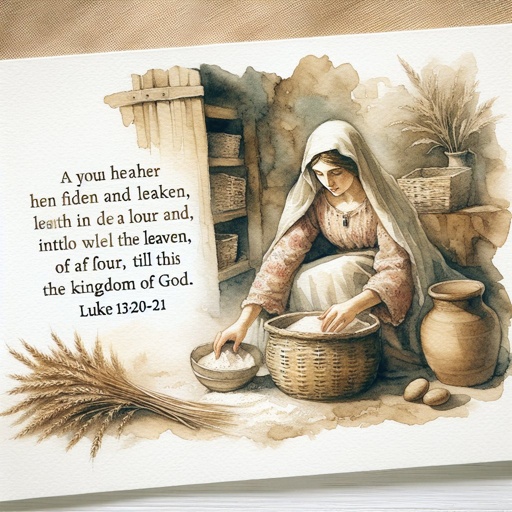
Luke 13:20-21

Luke 13:20-21

Luke 13:20-21

Luke 1:13

Luke 1:13

Luke 8:13

Luke 13:24

Luke 8:13

Luke 1:13

Luke 1:13

Luke 8:13

Luke 1:13

Luke 2:13

Luke 1:13

Luke 14:14 - "And thou shalt be blessed; for they cannot recompense thee: for thou shalt be recompensed at the resurrection of the just."